Alex, our son, has just set off on a bit of an adventure, he’s in Sapporo, Japan, spending time immersed in Japanese language training alongside a couple of his close friends.
We’re not far behind him. From June 2 through to June 22, we’ll be heading up to Japan ourselves to catch up and see how he’s going. The plan while we’re there is to hopefully explore the local area together and turning it into a family travel experience.
Monday 1 June 2026
We’ve left Canberra behind, the capital slowly shrinking in the rearview as we bump our way north toward Sydney. In a moment of practicality over preference, we opted for the bus, a decision I never make lightly. Three hours in a cramped seat is hardly my idea of a good time, especially when the road feels like it’s doing its best impression of a rollercoaster. Honestly, I’m not quite sure what’s going on with the Hume Highway these days, but it certainly kept things… interesting.
Still, I have to admit there’s a certain logic to it. The bus drops us right at Sydney International, which is about as convenient as it gets. With airfares between Canberra and Sydney currently sitting firmly in the “let’s not even think about it” category, thanks to the broader global situation, it’s a compromise worth making. Comfort may take a hit, but the travel budget breathes a sigh of relief.
Before long, we find ourselves checked in at the Rydges Sydney International. There’s something oddly satisfying about arriving at an airport hotel,you’re close enough to the action without yet being swept up in it. Bags dropped, shoes off, and a moment to exhale. The rhythm of travel has begun again.
Rather than settling for hotel dining (which, let’s be honest, can be hit or miss), we wander across to the terminal in search of something better. And that’s when we stumble upon a little gem: Café Grand Cru. Now this is what you hope to find before a long-haul flight, good food, a proper wine list, and an atmosphere that makes you forget, just for a while, that you’re in an airport.
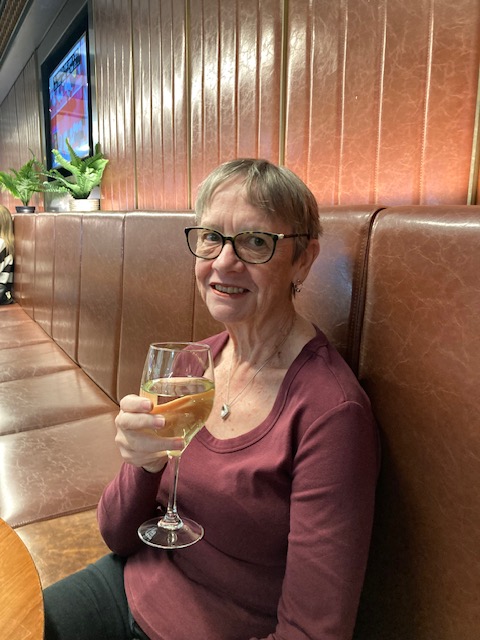
It delivers on all fronts. The food is genuinely impressive, the wine even more so, and somehow, miraculously, it doesn’t come with the usual airport price shock. In fact, it’s better and cheaper than the hotel, which in Sydney airport terms is saying something. You can probably tell from the photo, Maree certainly wastes no time settling into a well-earned glass of wine, and judging by her smile, it’s exactly what the doctor ordered.
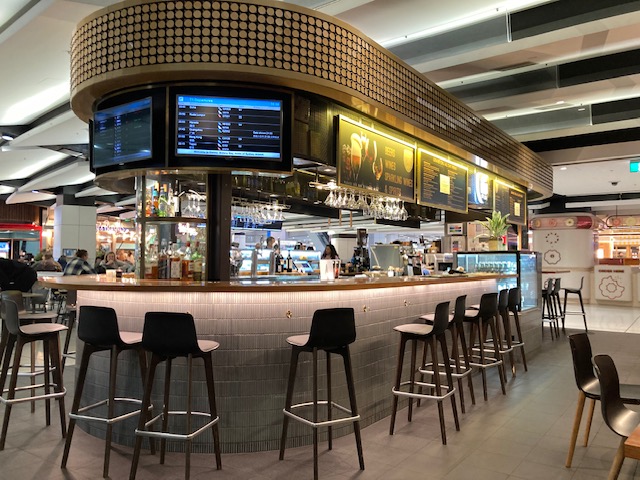
If you ever find yourself passing through here, take my advice: skip the usual options and make a beeline for Café Grand Cru. It’s one of those unexpected travel highlights that sneaks up on you.
With dinner done and spirits high, we drift back to the hotel for an early night. Tomorrow, we take to the skies with Qantas, bound for Tokyo, another chapter waiting to unfold. Though, as always, there’s an eye kept half on the horizon… or in this case, the weather map. A typhoon is brewing southwest of Japan, and it could make things interesting for our onward journey to Sapporo on Wednesday.
But that’s a story for tomorrow. For now, it’s time to rest.
Tursday 2 June 2026
We woke to the sort of news every traveller dreads, our carefully laid plans already beginning to unravel before the day had properly begun. Overnight, the typhoon climbing its way up from Okinawa had started throwing its weight around, and just like that, our JAL domestic flight from Tokyo to Sapporo, scheduled for 3 June, was cancelled.
There’s a peculiar rhythm to travel disruptions. First comes the disappointment, then the scramble, and finally a kind of quiet acceptance. JAL, to their credit, moved quickly and offered alternatives. We locked in a 16:40 departure for tomorrow, though even as we confirmed it, there lingered that familiar uncertainty, would this one survive the storm?
Not long after, the next update arrived. That replacement flight, too, was looking shaky. That was enough for us to pivot. Maree and I decided not to leave things to chance, we’d extend our stay at the Haneda Royal Park Hotel for another night. It felt like a small decision, but one rooted in experience: better to have a bed secured than be hunting for one in a city tightening under a typhoon’s grip.
If everything goes to plan and we do leave tomorrow afternoon, then we’ll simply lose a night’s booking, an inconvenient but manageable trade-off. But if the storm has other ideas and pushes us into Thursday, at least we won’t be caught scrambling. Peace of mind, in moments like these, is worth far more than a refunded room.
I quickly fired off an email to the hotel before we set off, though by the time we departed for Tokyo, no reply had come through. So, we carried on, as travellers often must, between plans and possibilities, hoping for good news waiting on the other side.
With that done, we shifted gears back into the familiar cadence of airport routine. Bags dropped, boarding passes sorted, we made our way into the Qantas Business Lounge, a small sanctuary amid the travel chaos. Breakfast came with a side of calm, and for a little while, the storm felt a world away.
Soon enough, we were onboard and settling in for the next leg. Lunch was served, and Maree and I didn’t hesitate, we both chose the Japanese bento set. It’s become something of a ritual for us, these small moments of indulgence in the air, neatly arranged boxes of flavour that somehow taste even better at 30,000 feet.
Not long after, the captain’s voice broke through, gently preparing us for what he described as “moderate turbulence.” He wasn’t wrong. For about half an hour, the aircraft bounced its way through unsettled skies, nothing unsafe, but certainly enough to remind you of the power of the weather systems shaping our journey. Then, just as abruptly as it began, it smoothed out, and the rest of the flight carried on quietly and without fuss.
We touched down in Tokyo on schedule, a small victory in a day already defined by disruption. From there, it was straight to the hotel, where the first order of business was obvious, check that elusive rescheduled flight. For now, it still stood. No further changes, no cancellations… yet. At this point, there’s little to do but wait for morning and see what the storm decides overnight.
With that, we finally allowed ourselves to exhale. It was 21:30 by the time we made our way to the hotel restaurant, late enough to feel the fatigue of the day catch up with us. Maree ordered a wine, I opted for a beer, and together we settled into that familiar travel ritual of unwinding after a long and uncertain day.
What about that extra night’s room we sent an email off about?
A message had arrived from the Haneda hotel, one room left, they said, but we’d need to confirm quickly. Unfortunately, we were still in transit from Sydney at the time. By the time we arrived and checked, that last room had already been taken. For the next two days, the hotel is completely full, victim, like the rest of us, to the approaching typhoon.
So now, we wait.
Tomorrow morning will bring with it either a departure north to Sapporo, or another reshuffling of plans, and perhaps a new hunt for accommodation. That’s travel, of course. Equal parts planning and surrender.
Stay tuned.
Wednesday 3 June 2026
I woke early, the kind of alert, half-rested wake-up that only travel uncertainty can bring. Before even sitting up, I reached for my phone, a now instinctive ritual, checking both the JAL app and TripIt for updates. TripIt, my go-to travel companion and well worth the subscription for frequent flyers, often delivers flight changes faster than the airlines themselves. It quietly consolidates itineraries, pushes alerts in real time, and has saved me more than once when plans begin to unravel. This morning, though, the silence was golden, no alerts, no changes, no bad news.
Encouraged, we shifted our focus from waiting to planning. With the lingering risk of typhoon disruptions, we decided to get proactive.
Our first move was logistical genius: luggage forwarding. Japan’s Yamato Transport service, known locally as Taq-q-bin, is one of those wonderfully efficient systems that feels almost magical the first time you use it. We took our two large suitcases down one level in Haneda Terminal 3, where the Yamato counter staff guided us through the process using their English-language app. Within minutes, after measuring our bags and completing the paperwork, we had paid roughly ¥8,000 (about AUD $75), and our luggage was whisked away, destined for our hotel in Sapporo.
Typically, delivery takes around 24–48 hours depending on distance and timing, which is remarkably fast considering the journey from Tokyo to Hokkaido. Factoring in potential weather delays, we packed a few extra days’ worth of clothes into our carry-on, insurance against the unpredictable nature of travel. More importantly, it meant freedom: no heavy bags to drag through airports, trains, or hotels.
Next, we approached the front desk and requested a late checkout. Our flight was scheduled for 16:40, so anything would help. In true Japanese hospitality style, they accommodated us with an extra hour, small, but valuable. One less hour wandering the terminal.
With time still on our side, we grabbed a quick bite and then decided to test our luck by heading over to Terminal 1 to check in early. The Tokyo Monorail makes this effortless, a smooth five-minute ride offering glimpses of the airport’s expanse and the surrounding bay. However, upon arrival, we discovered that the JAL check-in kiosks wouldn’t open until midday. Slightly thwarted but not discouraged, we hopped back on the monorail and returned to the hotel, opting instead for a quiet hour of rest.
It was during this lull that my phone buzzed again, finally, a message. JAL informed us we could now confirm our seat reservation. This was good news. There was movement behind the scenes, a sign that our flight was still very much in play rather than scrapped entirely. In travel, sometimes ambiguity beats cancellation.
At midday, we checked out and made our way back to Terminal 1, where this time check-in was smooth and uneventful. Boarding passes in hand, we turned our attention to lunch.
We settled on Hitoshinaya, a small but popular noodle house tucked inside Haneda Terminal 1. Known for its clean, minimalist design and focus on traditional Japanese comfort food, it’s a far cry from typical airport dining. The menu features simple yet deeply satisfying dishes, udon, soba, tempura and rice bowls, prepared with careful attention to flavour and presentation. It’s the kind of place where the broth is simmered for hours and every detail feels intentional. For travellers in transit, it offers a quiet, authentic taste of Japan before take off.
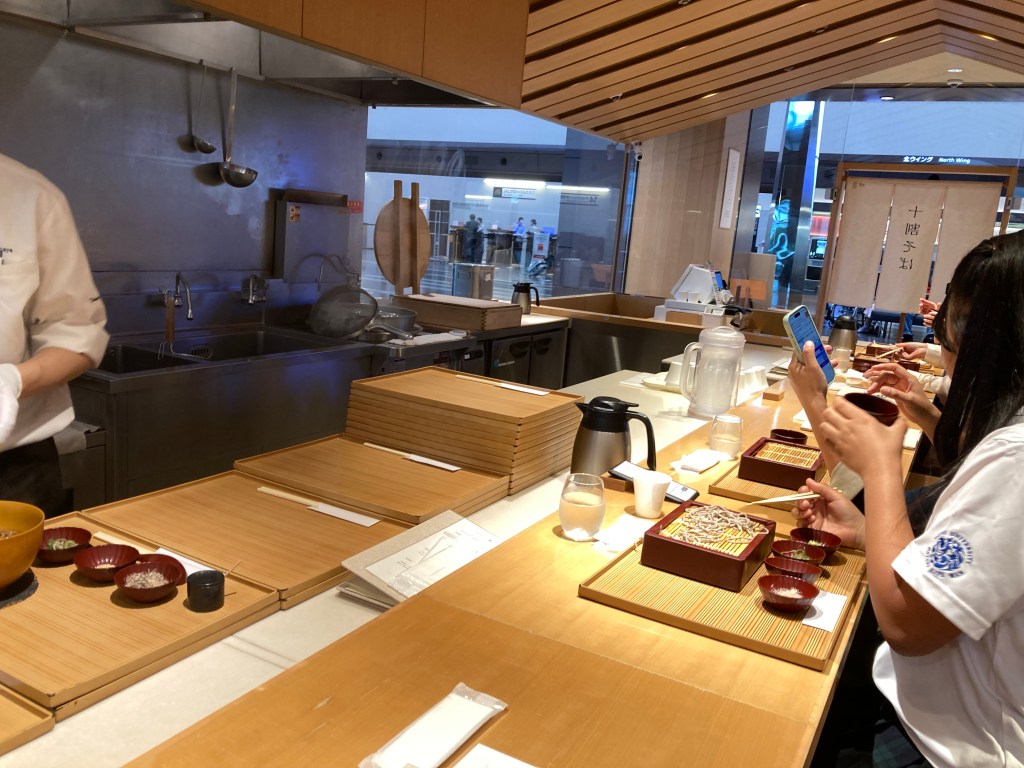
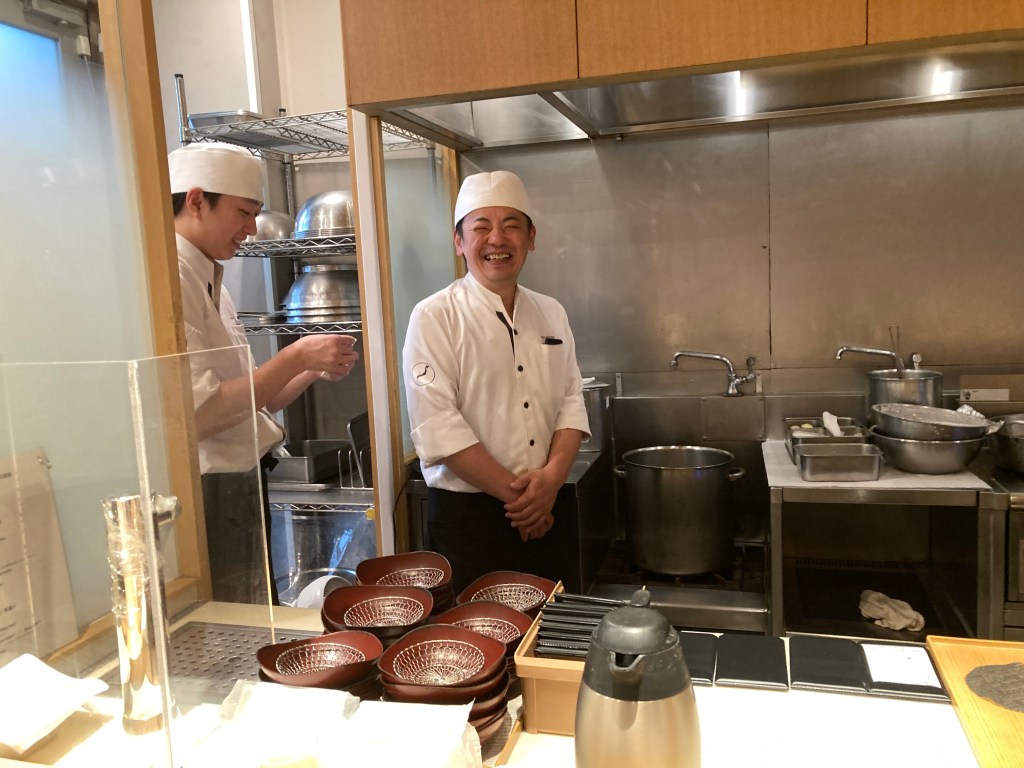
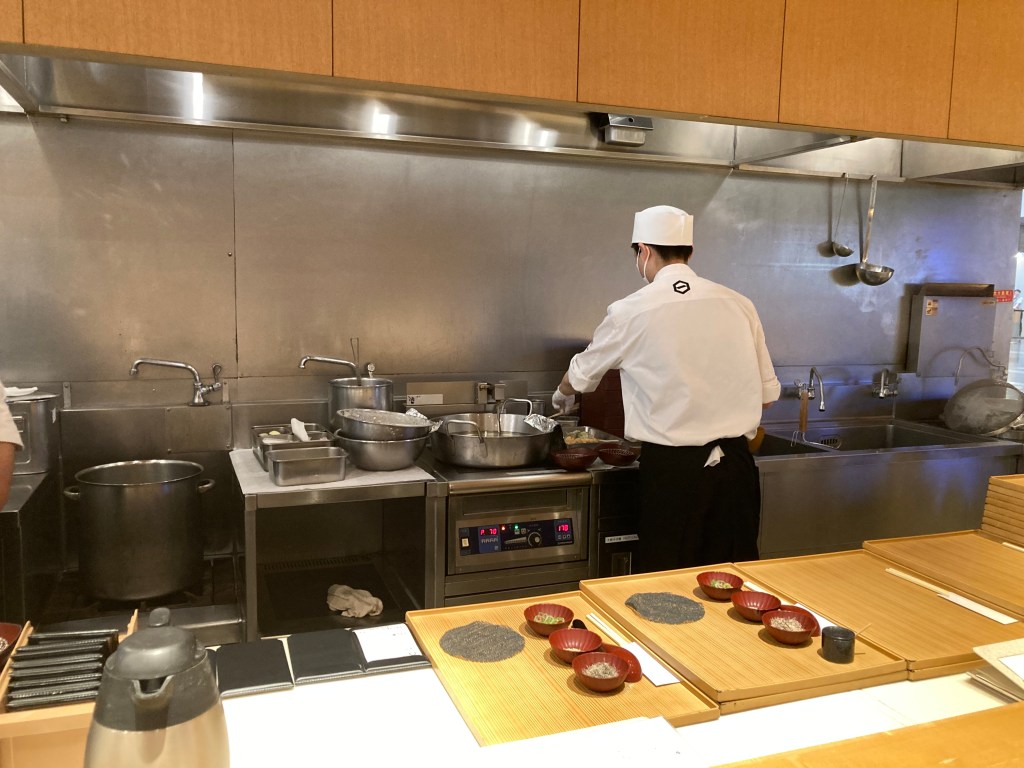
After lunch, we cleared security and made our way to the departure gates, and stepped into something almost surreal.
The terminal felt abandoned. Flights had been delayed across the board until late afternoon, and the usual hum of travellers, announcements, and movement was replaced by silence. We glided along empty travelators, the only passengers in sight, towards our gate. Outside, aircraft sat motionless at their airbridges, as though frozen in time.
It was eerie.
We arrived around 12:30, settling into front-row seats with a long four-hour wait ahead. Slowly, almost imperceptibly, the terminal began to reawaken. By 15:30, staff started appearing, gates opened, and pilots in crisp uniforms walked purposefully toward their aircraft.
Then, another notification on my phone. This time, the subtle but significant detail: all previous disruption warnings had quietly disappeared. No flashing alerts. No ominous notices. Just a standard flight status.
That was the moment we knew we were getting out.
At 16:20, boarding was called. By 16:40, we pushed back from the gate, and after a lengthy taxi, we were airborne at 17:00, finally leaving Tokyo behind and heading north to Sapporo.
The climb wasn’t entirely smooth. For the first 15 to 20 minutes, we encountered moderate turbulence, remnants of the unstable weather system still lingering nearby, but none of it mattered. We were on our way.
An hour later, we touched down on time in Sapporo. With no checked luggage to wait for, thanks again to Yamato, we moved quickly from plane to train, boarding the rapid service that connects New Chitose Airport to Sapporo Station in about 40 minutes. From there, it was a short taxi ride to our hotel, arriving just before 19:00.
All things considered, despite the uncertainty, contingency planning, and a few nervous moments, we were only about four hours behind our original schedule. A small price to pay for the peace of mind we’d built into the day, and the freedom of traveling light.
After checking in, we kept things simple. Just across from the Lamp Light Books Hotel, an inviting concept hotel that blends a bookstore with cozy accommodation, we found a small Italian restaurant. Yes, Italian in Japan, it might seem out of place, but Japan’s approach to European cuisine is often thoughtful and surprisingly authentic.
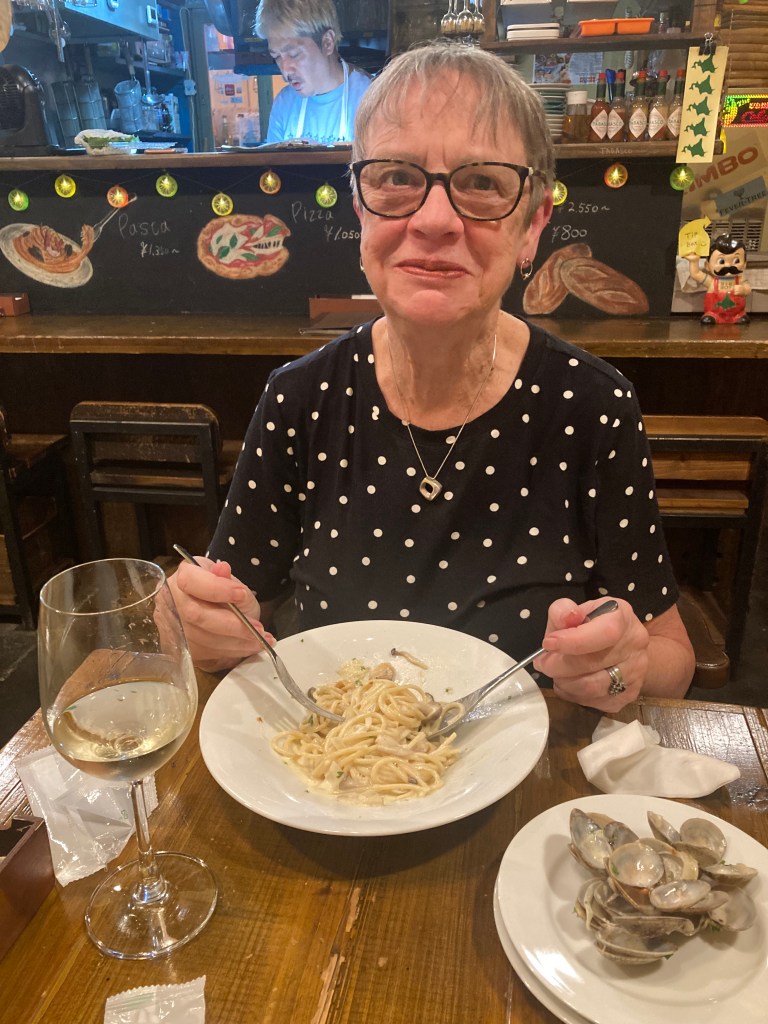
We’d usually go out of our way for Japanese food over Italian, but tonight we were too tired and just wanted something quick and easy, and it happened to be literally right across from the hotel, only a one-minute walk.
Wine for Maree, a cold beer for me, and a satisfying meal later, we made our way back to the hotel. The past few days had caught up with us, and an early night was exactly what was required.
Thursday 4 June 2026
This morning began exactly how we needed it to, after one of those wonderfully deep, uninterrupted sleeps that only seems to happen when you’re away from home. Clearly, it had been a while since we’d had a rest quite like that, so we allowed ourselves a slow, unhurried start to the day.
Eventually, we made our way downstairs for breakfast at Lamp Light Books Hotel Sapporo, which is fast becoming one of those places you want to keep to yourself, but really shouldn’t. It’s more than just a hotel; it’s built around the concept of a “book and café stay,” where shelves of carefully curated titles line the walls and create a warm, almost library like atmosphere. Guests are encouraged to browse, sit, read, and linger, coffee in hand, at any time of day or night. There’s a quiet comfort to the whole space, perfect after a long journey or busy day exploring, and I would highly recommend it to anyone visiting Sapporo, particularly if you appreciate thoughtful design and a slower, more reflective travel experience.
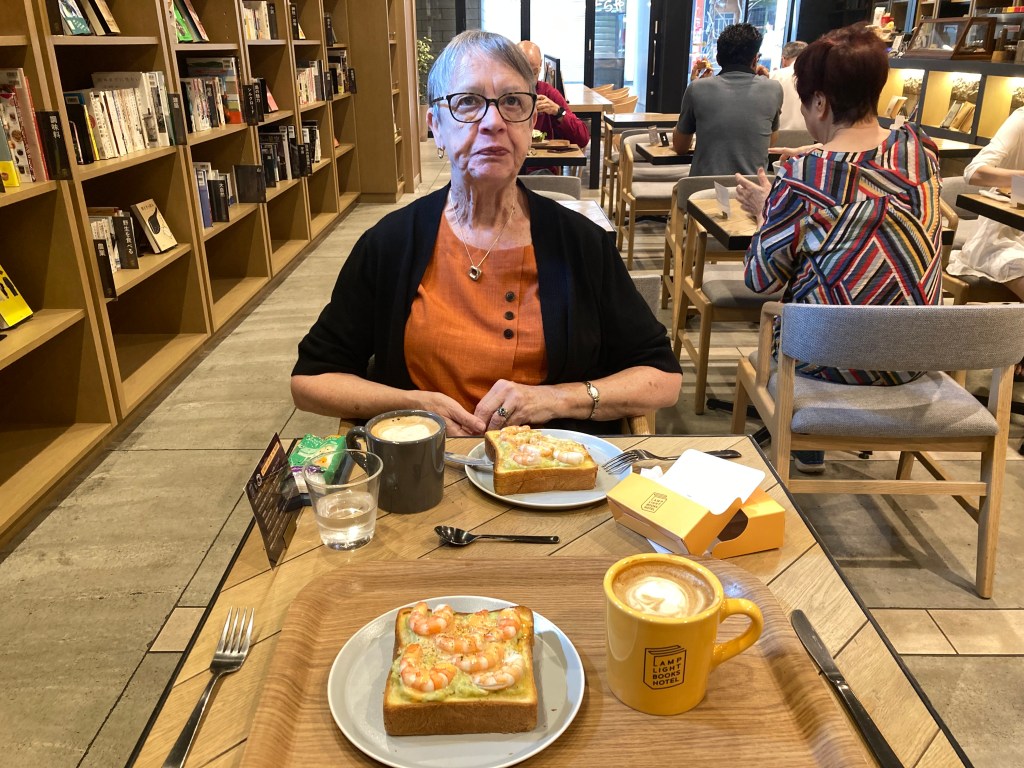
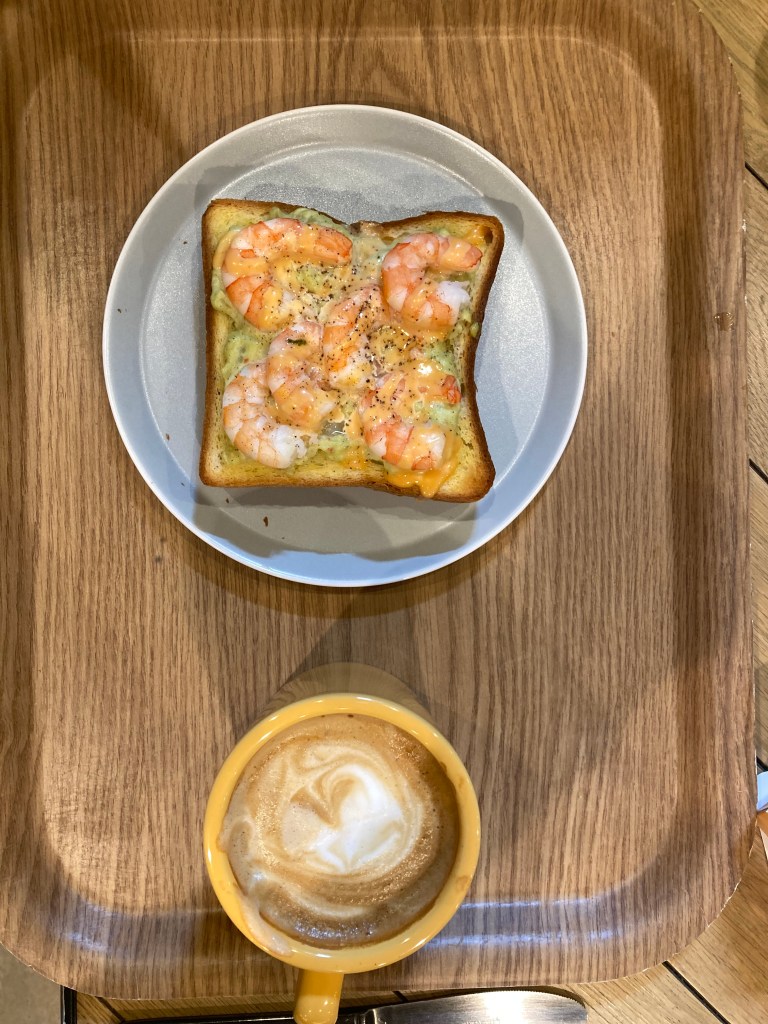
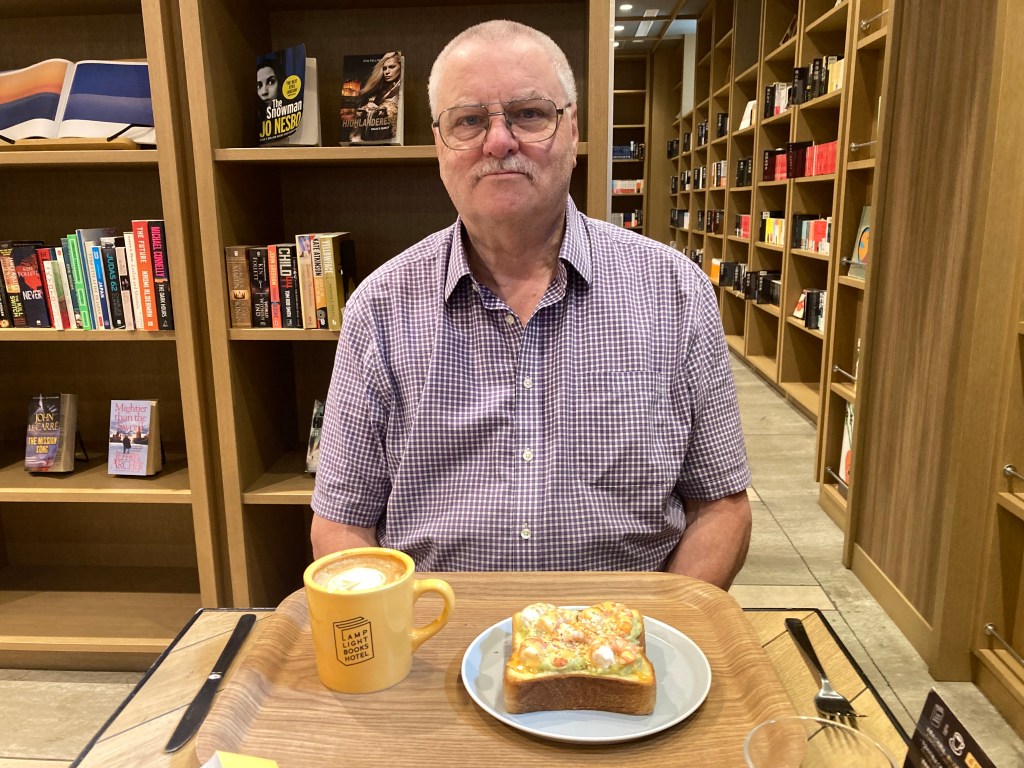
Breakfast itself was simple but absolutely spot on. Thick cut toast, perfectly crisp on the outside and soft within, topped generously with avocado and prawns, all brought together with a slightly sweet, slightly spicy sauce. It’s one of those dishes that sounds modest but delivers far more than expected, fresh, balanced, and incredibly satisfying without feeling heavy. I’m not entirely sure the photos do it justice, but take my word for it, it was excellent. And the coffee deserves a mention too, rich, smooth, and exactly what you want to ease gently into the day.
After breakfast, we set out for a wander through the nearby shops to pick up a few essentials for our three-week stay. At the top of my list were international adaptors, something I usually have tucked away from previous trips, but which had been passed on to Alex before he left back in March. Alex is here in Japan for a full 12 month stay, studying the Japanese language, which of course is the main reason for our visit on this occasion.
Alex is enrolled in an intensive language programme here in Sapporo, designed specifically for international students who want to immerse themselves fully in both the language and culture. His course runs year round and focuses heavily on daily conversational Japanese, reading and writing (including kanji), and real world application, so it’s not just classroom learning, but something he’s using every day as he navigates life here. Classes are structured but demanding, and from what we’ve heard so far, there’s a strong emphasis on independence, self-study, and adapting quickly to daily life in Japan. It’s a big step, especially for 12 months, but also an incredible opportunity, and it’s clear already that he is embracing it.
Once we’d finished our shopping, it was time for something we’d really been looking forward to, meeting up with Alex. Seeing him again after two and a half months was genuinely special. It’s strange how quickly you get used to having someone around, and equally strange how noticeable their absence is. Meeting again here, in his new environment, made it feel even more significant. He seems settled, confident, and already finding his rhythm, which is both reassuring and a little surreal to see.
For lunch, Alex took us to Sushiro, located on the 8th floor of the Sapporo PARCO Main Building. It’s one of Japan’s well-known conveyor-belt sushi chains, but it’s far from a basic experience. While the traditional conveyor belt circulates a range of dishes around the restaurant, each table also features a touch-panel ordering system where you can browse the full menu and select exactly what you’d like. Then, within minutes, your chosen dishes arrive via a separate high-speed express conveyor that delivers them directly to your table. It’s efficient, a bit futuristic, and surprisingly fun, like a miniature food delivery system built just for you.
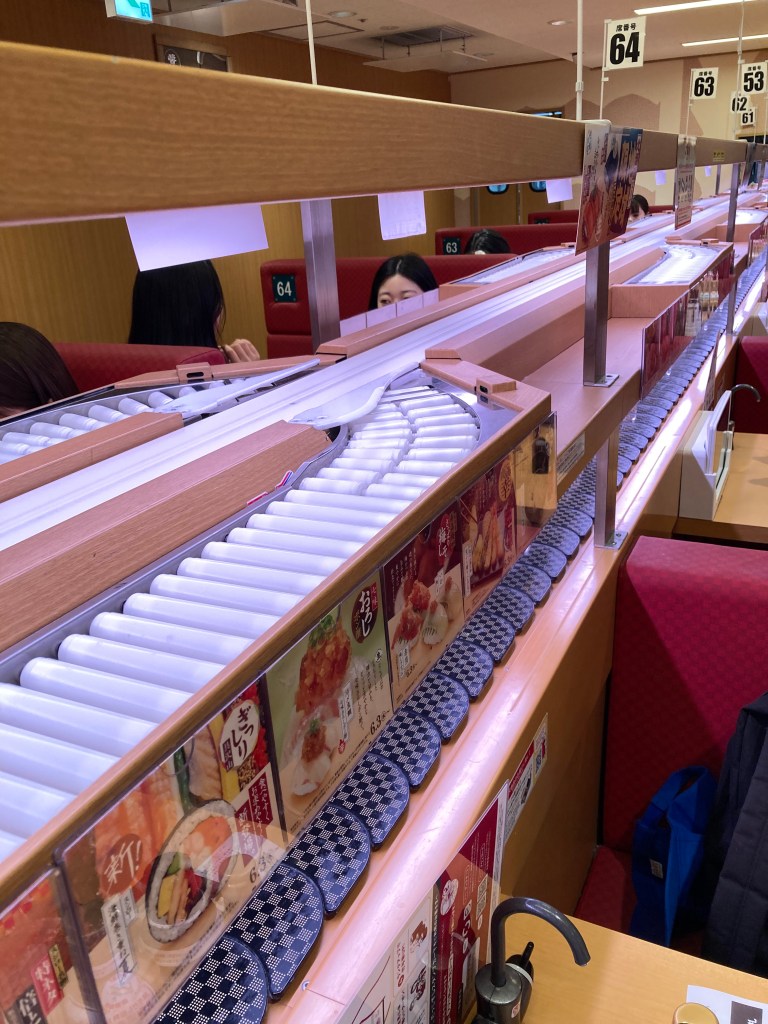
Watch the first part of our food order being delivered by clicking this link: https://youtu.be/UrkmGmzidAg?si=uwCLrwYywoIH3KyA
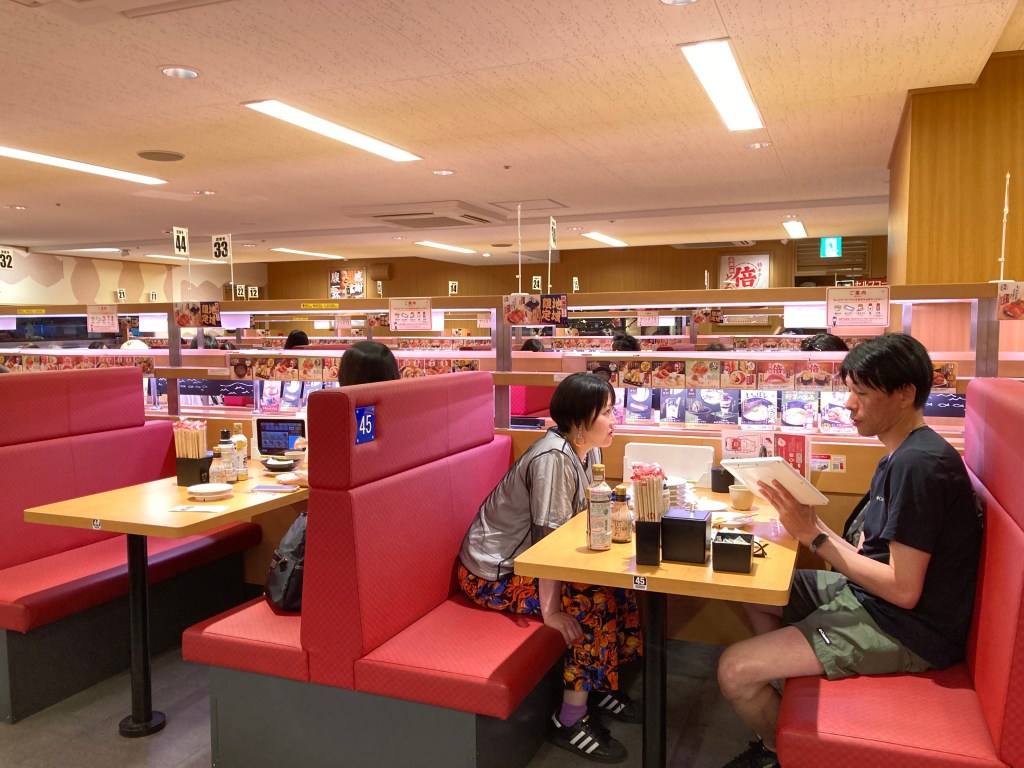
We ordered a selection of nigiri sushi, which for those unfamiliar is one of the most classic forms of sushi, small hand-pressed portions of vinegared rice topped with slices of fresh fish or seafood. Our choices included salmon, tuna, and unagi (grilled eel), each piece beautifully prepared. The fish was incredibly fresh, the rice perfectly seasoned, and the balance of flavours spot on. Alongside that, we shared plates of tempura, which were light, crisp, and not at all greasy, and enjoyed it all with fresh green tea.
I have to say, the quality was exceptional, easily some of the best sushi we’ve had anywhere. It’s no wonder places like this are so popular here; it’s casual dining but done to a very high standard.
After lunch, we said our goodbyes for now as Alex needed to head back and prepare for the start of his classes tomorrow. There’s a real sense that this next phase, settling into the routine of study and daily life, is about to begin in earnest for him. We’ll catch up again at the weekend, when we plan to visit his apartment and get a closer look at how he’s living day-to-day here in Japan, which I’m particularly looking forward to.
The rest of the afternoon has been suitably relaxed back at the hotel, taking advantage of that calm, book-filled atmosphere once again. As for this evening, plans are still open, but one thing is certain: dinner will be Japanese. In Sapporo, that’s hardly a difficult decision, and half the fun is simply heading out and seeing what catches your eye.
After an excellent seafood lunch earlier in the day, we found ourselves in that pleasantly contented state where the thought of dinner doesn’t quite stir the same enthusiasm. The hours drifted by, and rather than forcing the issue, we let our appetites catch up with us. Eventually, as the evening settled in and the streets took on that distinctly Japanese nighttime glow, soft lights, quiet conversations, and the hum of local life, we decided to wander out and see what we might find.
It didn’t take long. Quite by chance and almost hidden in plain sight just two buildings down from our hotel, we stumbled across a small tonkatsu restaurant, an absolute gem we might easily have overlooked had we not been taking things slowly. The place was called Tonkatsu Kyohei.
Now, for anyone unfamiliar, tonkatsu is a much loved Japanese dish consisting of a breaded and deep fried pork cutlet. It’s typically coated in panko breadcrumbs, which give it that wonderfully light yet crispy texture, and it’s usually served sliced, often alongside finely shredded cabbage, rice, and a rich, tangy sauce that ties everything together beautifully. A tonkatsu restaurant focuses on preparing this dish to perfection, and places like Kyohei pride themselves on quality cuts of pork, precise cooking, and a kind of understated craftsmanship that turns something simple into something memorable.
Tonkatsu Kyohei itself had that welcoming, no fuss atmosphere that Japan does so well, clean, compact, and quietly efficient, with a focus entirely on the food. It felt authentic rather than touristy, the sort of place where locals drop in for a reliable, satisfying meal. There was a calm confidence about it, as though it didn’t need to try too hard to impress.
Despite not being overly hungry, we ended up having a thoroughly enjoyable meal. Maree opted for the pork tonkatsu served with curry and rice, a comforting combination, with the deep, savoury notes of the Japanese curry complementing the crisp pork beautifully. I went for a more classic chateaubriand tonkatsu dish, where the star of the show remained that perfectly cooked cutlet, crispy on the outside, tender on the inside, and paired simply with rice. Sometimes, less really is more.
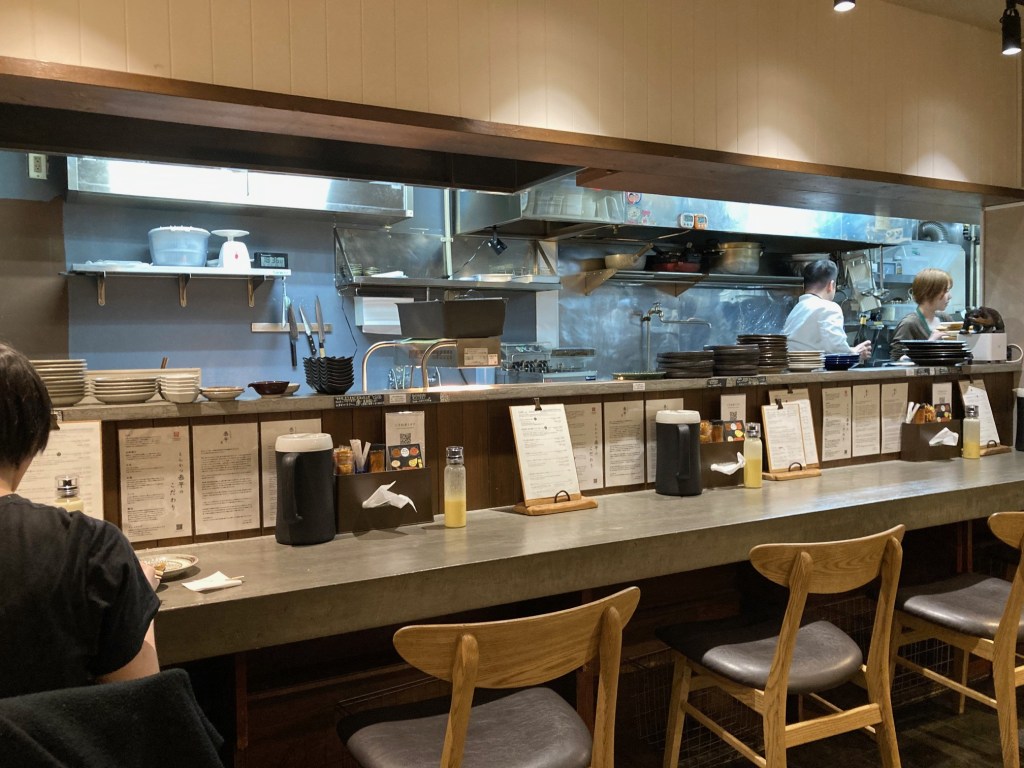
We decided to have a drink as well. Maree ordered a glass of wine, which, when it arrived, came with a bit of ceremony, the server carefully pouring it at the table. However, the experience didn’t quite match expectations. The pour was modest, to say the least; it would have been generous to call it 100 ml. For the price, ¥1,000, it felt disproportionately small and, frankly, a little disappointing in contrast to the otherwise excellent meal. My beer, on the other hand, arrived as expected: cold, refreshing, and exactly what it should be,no surprises there.
All in all, though, Tonkatsu Kyohei proved to be one of those delightful accidental finds that make travel so rewarding. A short stroll from the hotel led us to an authentic, unpretentious dining experience, complete with beautifully prepared food and just enough imperfection to make the memory all the more human.
So after that lovely meal we returned to the hotel and called it a night.
Friday 5 June 2026
This morning we decided that after breakfast we would take a walk around our local area, with the loose plan of eventually making our way to the Sapporo TV Tower, where you can get great views of the Sapporo region from the observation deck.
There’s something about setting off without too rigid a plan that always seems to lead to the more memorable moments, and before long that proved true yet again.
As we were walking, we came across an area known as Seafood Market Street. It announced itself before we even properly saw it with the air carring that unmistakable salty tang of the ocean. There was a low hum of voices, the clatter of knives on chopping boards, and the occasional burst of laughter from customers huddled around food.
This was Nijo Market, and stepping into it felt like stepping straight into the beating heart of Sapporo’s food culture.
For any food enthusiast traveling to Hokkaido, a visit to Sapporo’s historic Nijo Market is an absolute must. This bustling public market, centrally located in the city, is a vibrant showcase of Hokkaido’s bounty, renowned for its incredible selection of fresh seafood, seasonal produce, and local specialties. The market dates back to the early Meiji era, when fishermen from Ishikari Bay would bring their catch here to sell, and today it has been serving locals and visitors alike for well over a century.
Wandering through the narrow lanes, you are surrounded by colour and movement. Rows of glistening crab legs lie on beds of crushed ice, scallops still in their shells are stacked high, and trays of salmon roe gleam like tiny jewels under the lights. Tanks of live seafood bubble quietly, occasionally disturbed as a vendor lifts a wriggling crab from the water for inspection. The ground is slightly damp, the air cool, and everything feels busy, alive, and utterly authentic.
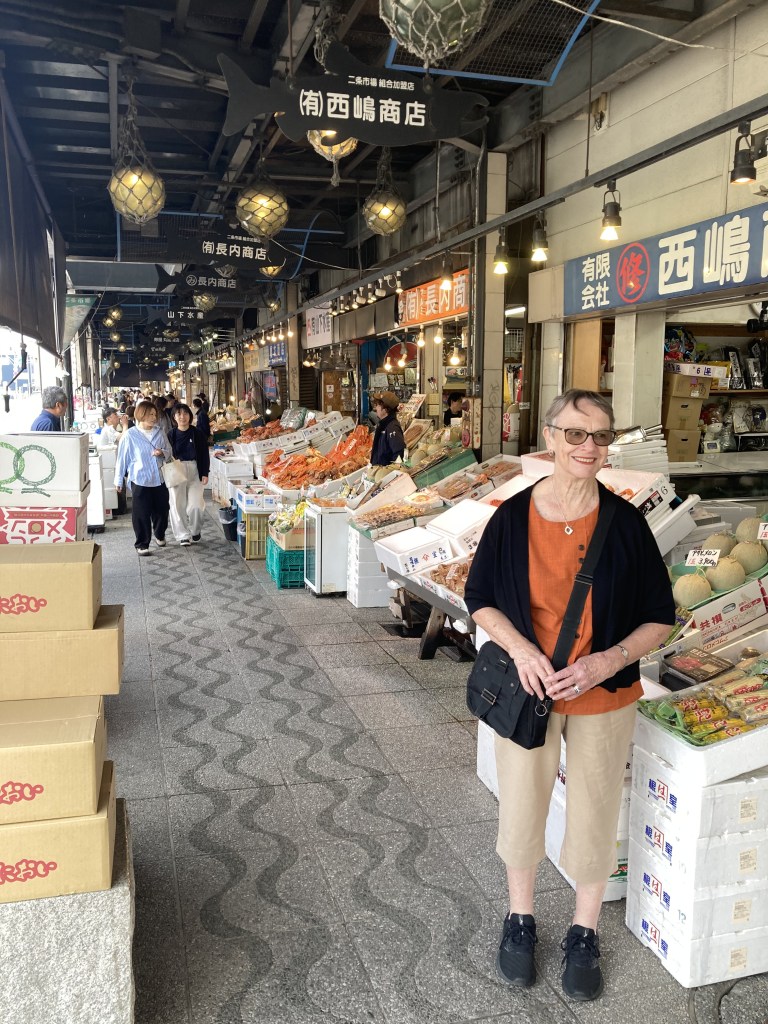
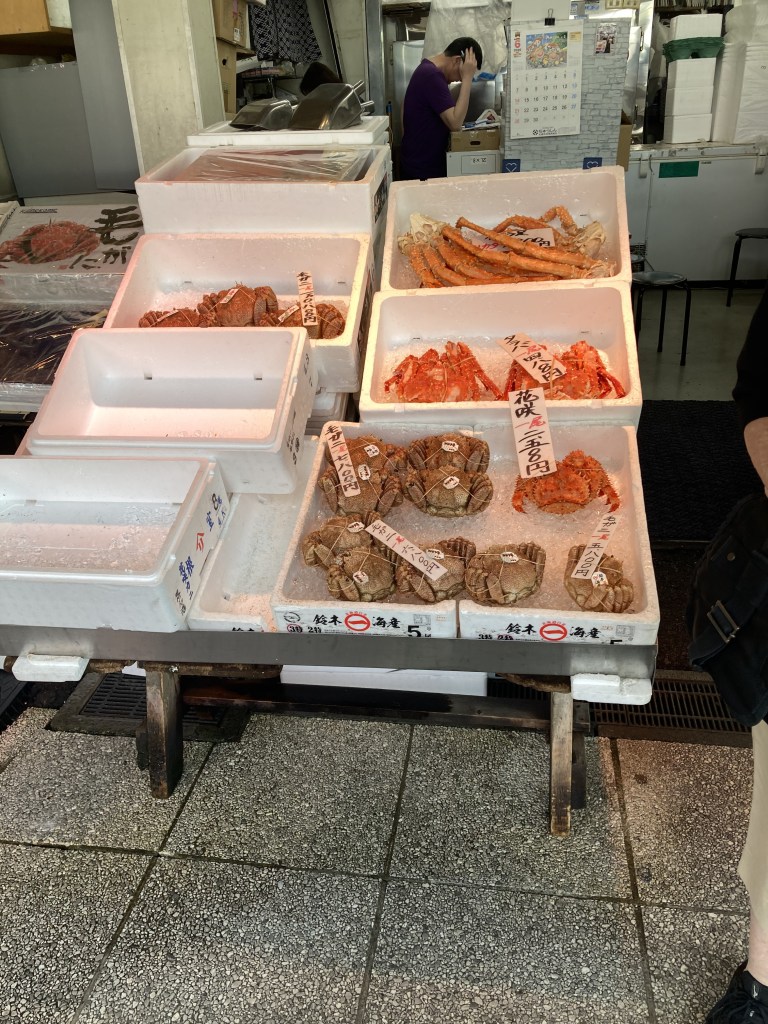
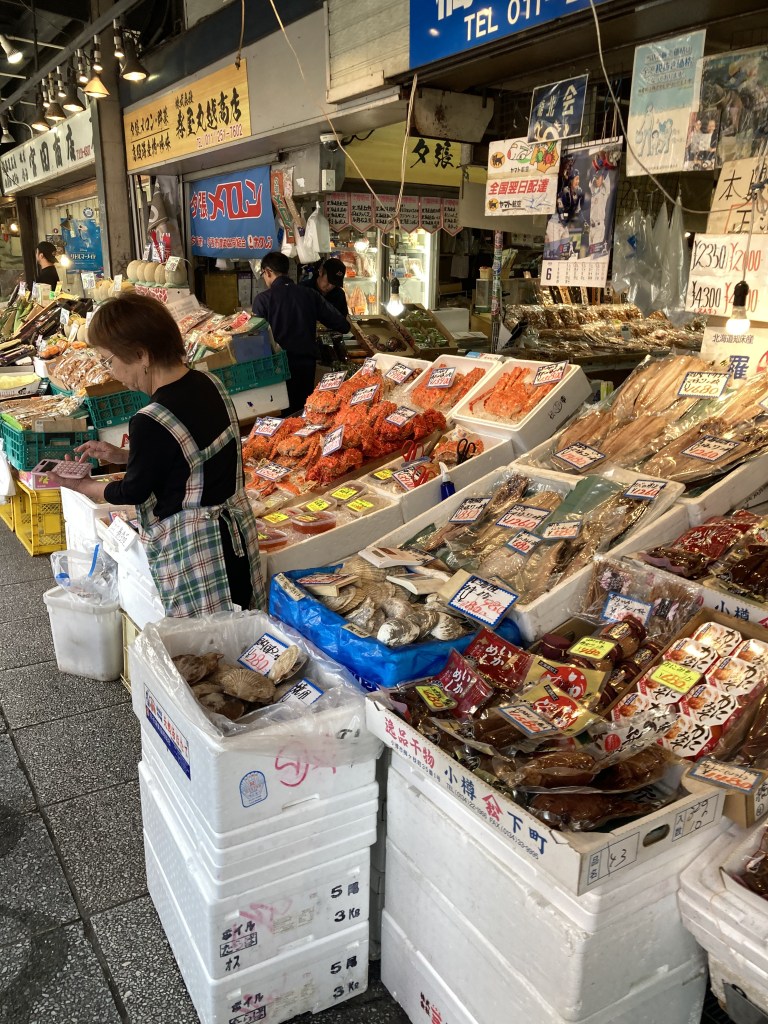
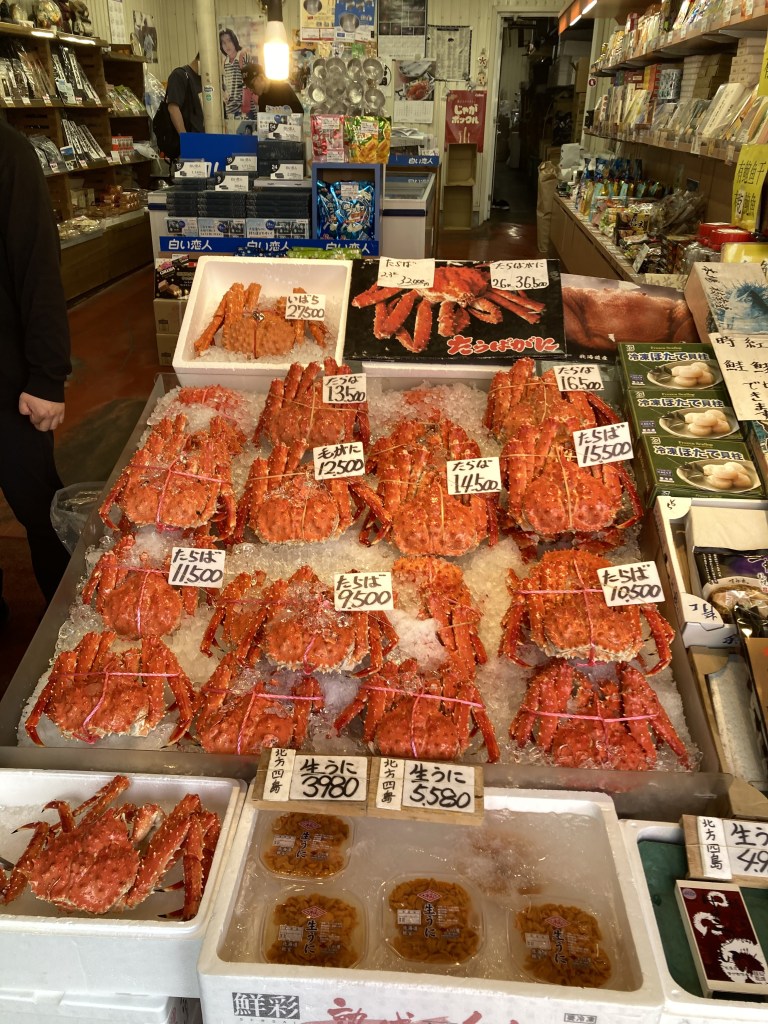
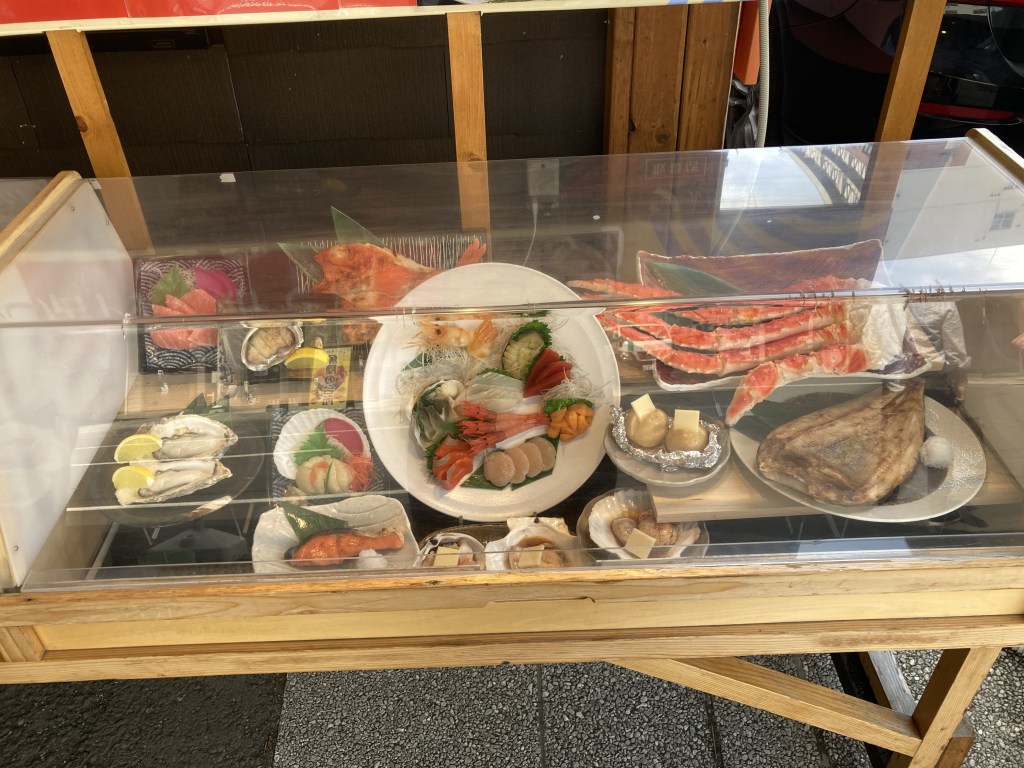
Beyond the seafood, the market isn’t just about fish. You will find stalls brimming with Hokkaido’s agricultural specialties as well—everything from dried fish products to seasonal fruits like the famous Yubari melons. Tucked into one corner is Noren Yoko Cho, a narrow, lantern-lit alleyway filled with small bars and eateries, offering a more intimate slice of the market’s atmosphere.
After wandering around, soaking in the energy, and taking plenty of photos, we eventually carried on toward the Sapporo TV Tower. As we got closer, the busy market atmosphere gradually gave way to a calmer, more open space.
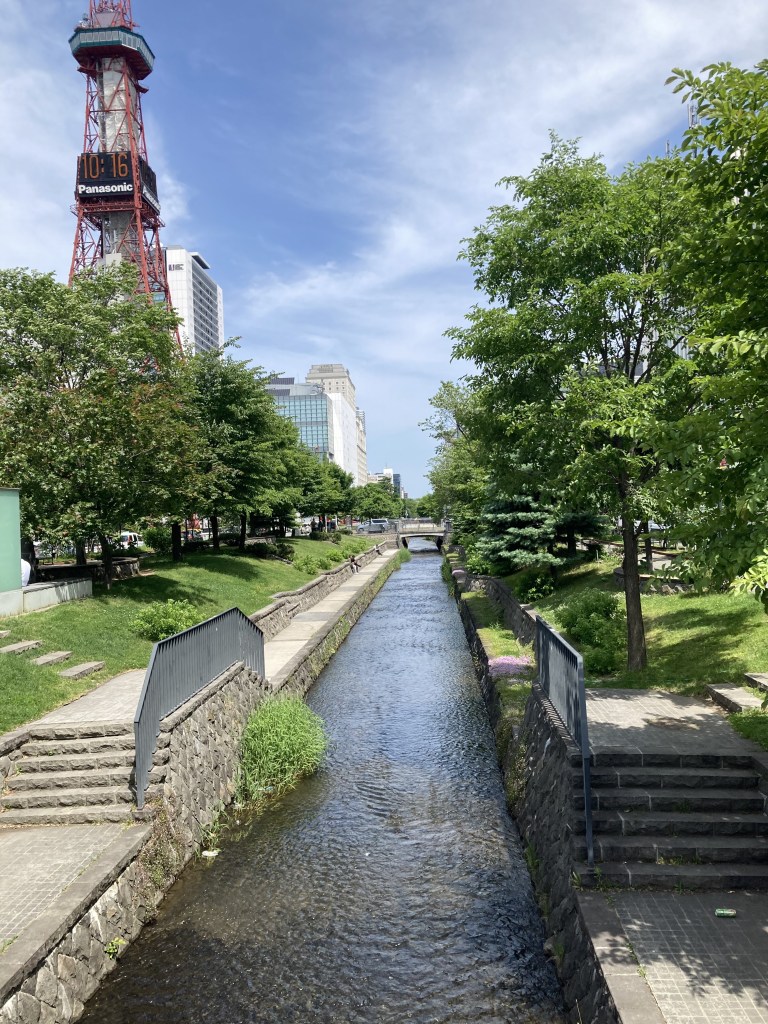
Along the way, we passed through the area around the Sosei River and into the nearby garden spaces. The river itself once marked the eastern boundary of early Sapporo as the city was being developed in the late nineteenth century, and today the surrounding Sosei Garden provides a quiet contrast to the busier streets nearby. It is a simple, open green space rather than an elaborate traditional garden, but that understated character suits it, offering a calm place to pause and reflect.
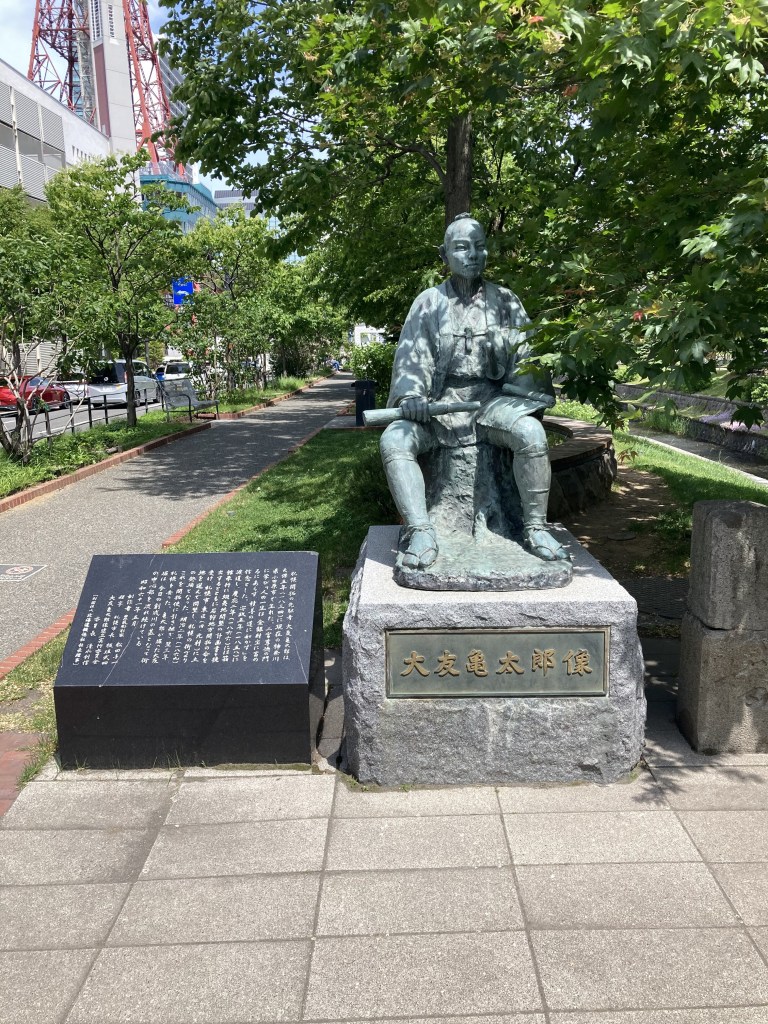
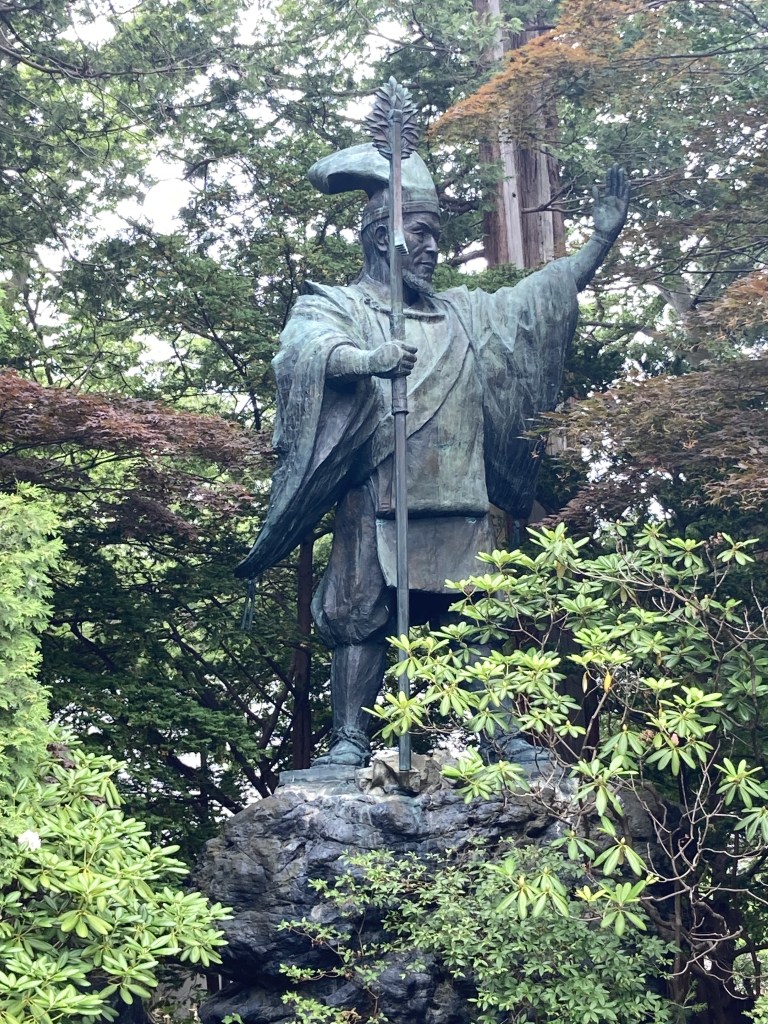
It was here that we came across the statue of Kametaro Otomo, a samurai whose role in the development of Sapporo is significant. Otomo was one of the early pioneers sent north during the Meiji period when Japan was actively developing Hokkaido. He played a key role in helping establish the early settlement, overseeing the construction of infrastructure such as roads, waterways and housing that allowed the area to grow from a frontier outpost into a functioning town. Standing there in front of the statue, surrounded by a modern city, it’s quite something to think that all of this grew from those early efforts.
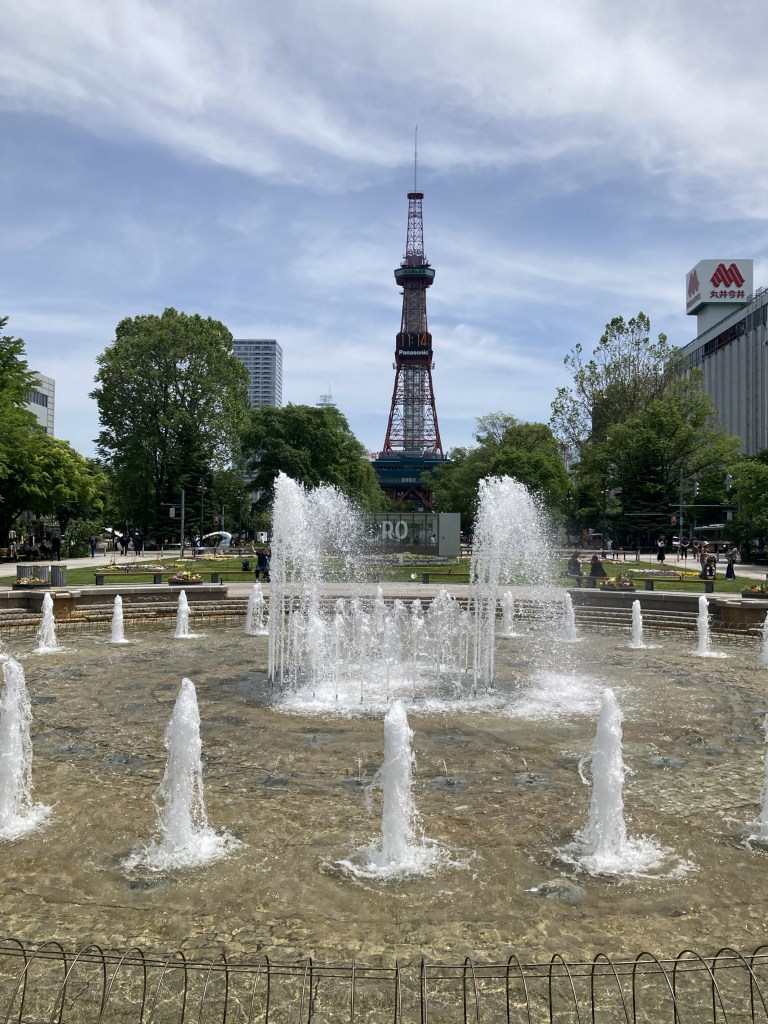
From here we walked on to the Sapporo TV Tower, a structure that is hard to miss. Built in 1957 and standing 147.2 metres high, the tower was originally constructed as a broadcasting tower and sits at the eastern end of Odori Park. Designed by Tachū Naitō, the same engineer behind Tokyo Tower, it has become one of Sapporo’s most recognisable landmarks, complete with its distinctive digital clock mounted partway up the structure. The observation deck sits just over 90 metres above ground and offers panoramic views across the city.
Maree went up to the tower’s observation deck without me, as usual. I prefer terra firma unless I am in an aircraft.
From up above, however, Maree had a completely different perspective of the city. The view opens out in every direction, transforming Sapporo from a collection of streets into a carefully laid-out grid. Odori Park stretches straight ahead like a green ribbon through the city, dividing it neatly into north and south, while beyond that the buildings stretch toward the horizon with mountains faintly visible in the distance on a clear day.
She spent a long time up there, moving from one side of the deck to the other and taking in the different angles. Looking straight down over the edge gives you a slightly dizzying view of the streets far below, while the wider outlook shows just how organised and spacious the city is compared to many other Japanese cities. From that height, you can clearly see how Odori Park anchors the entire central area, something that is much less obvious from ground level.
Needless to say, she took plenty of photos, some of which appear below.
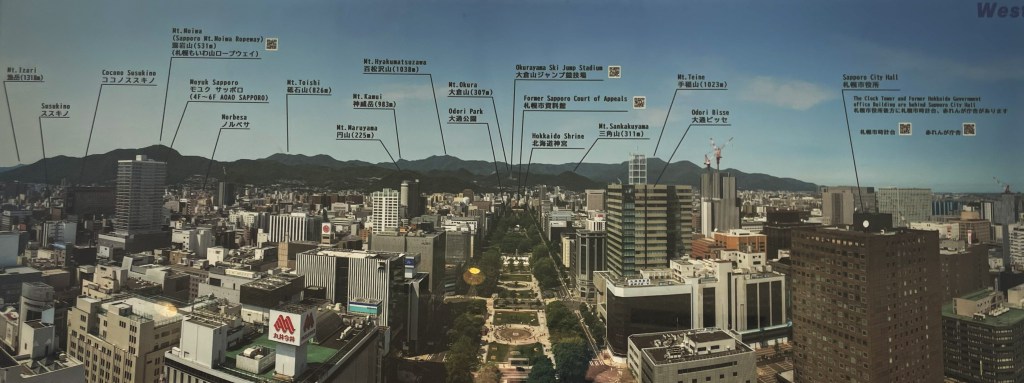
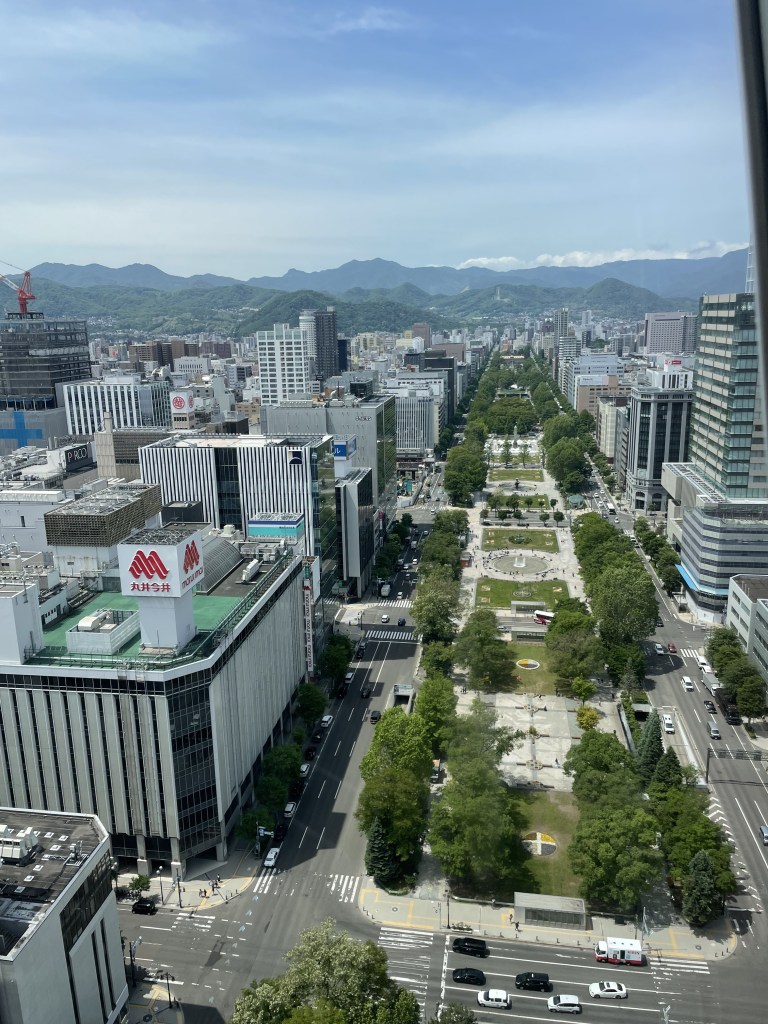
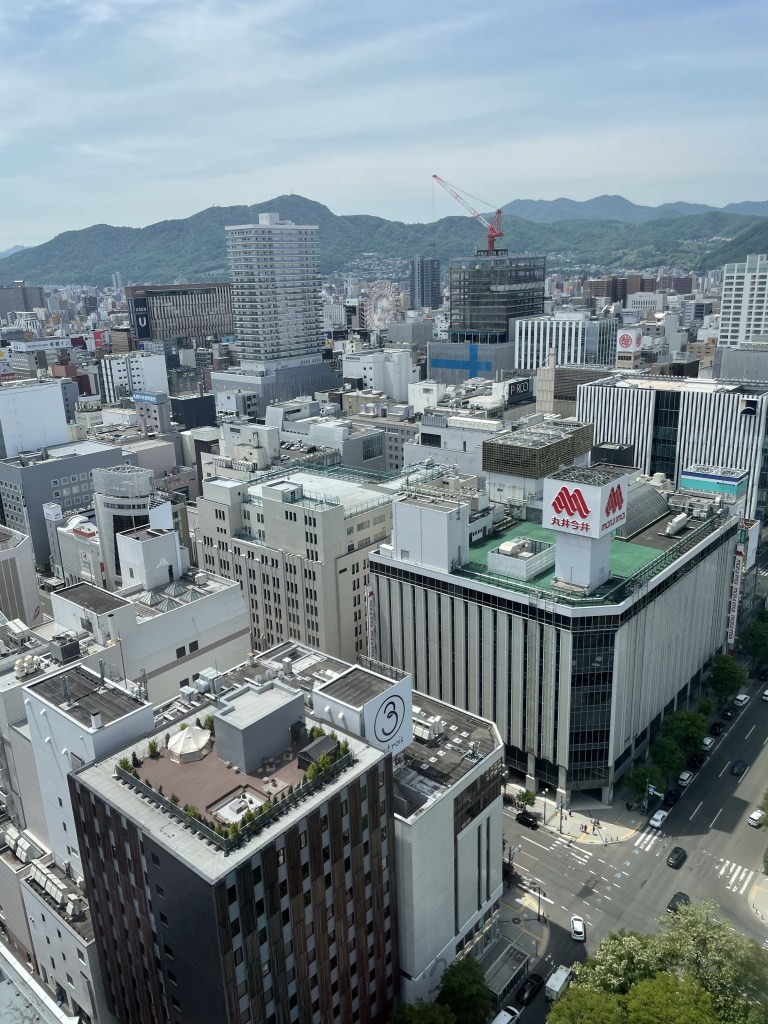
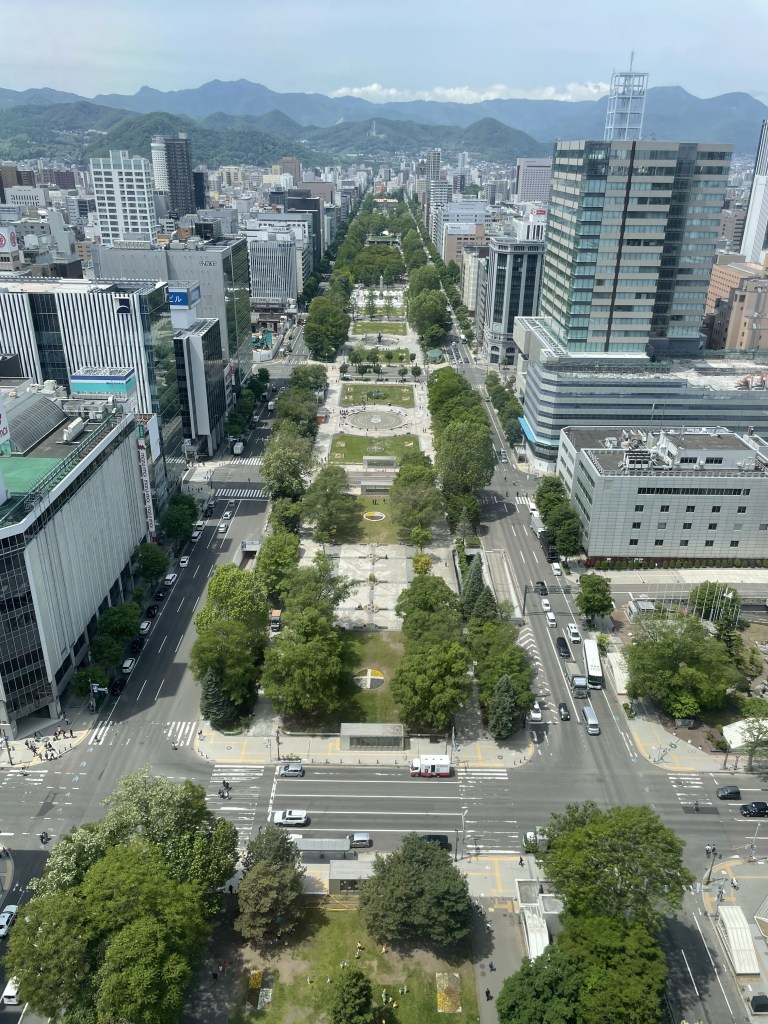
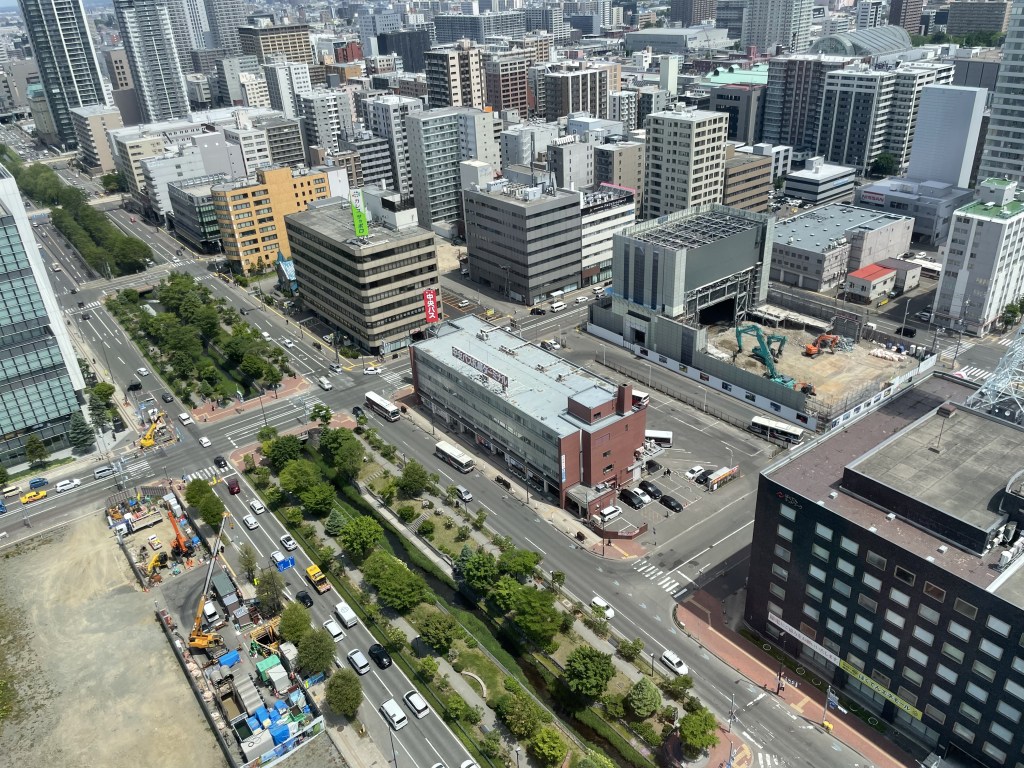
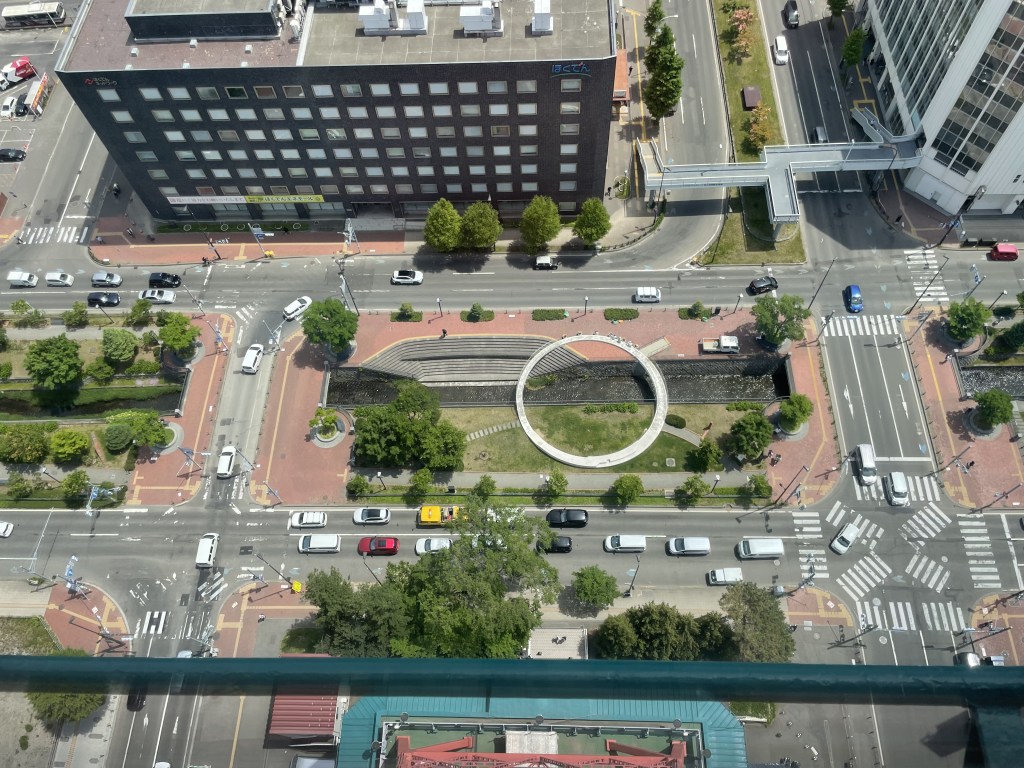
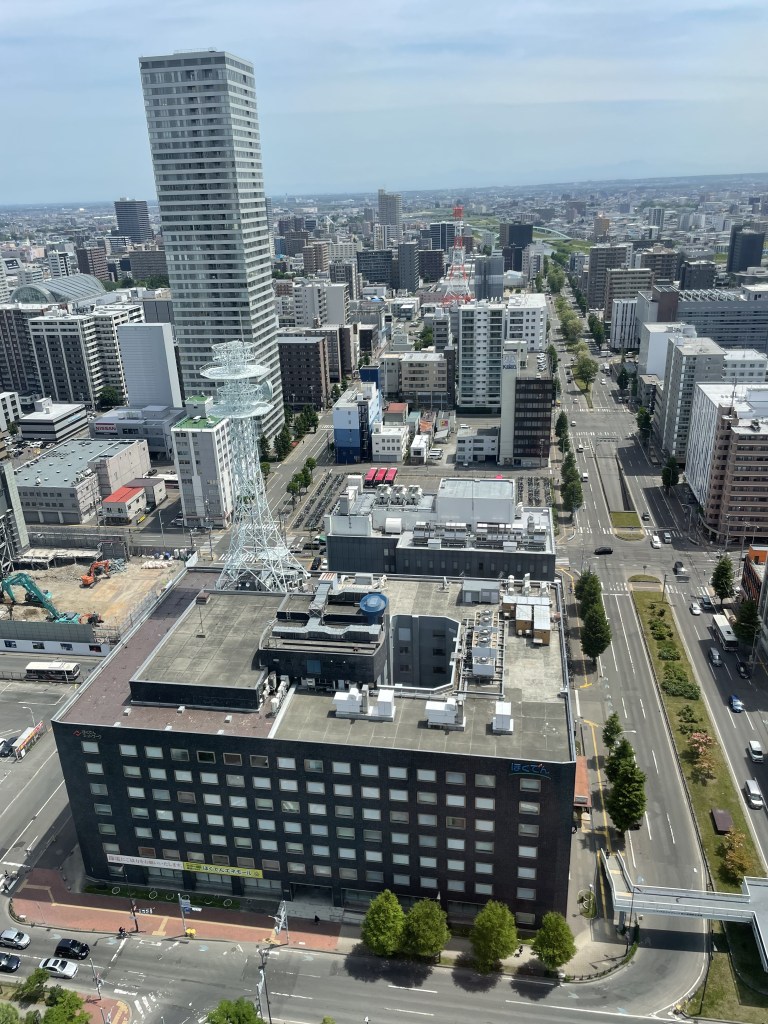
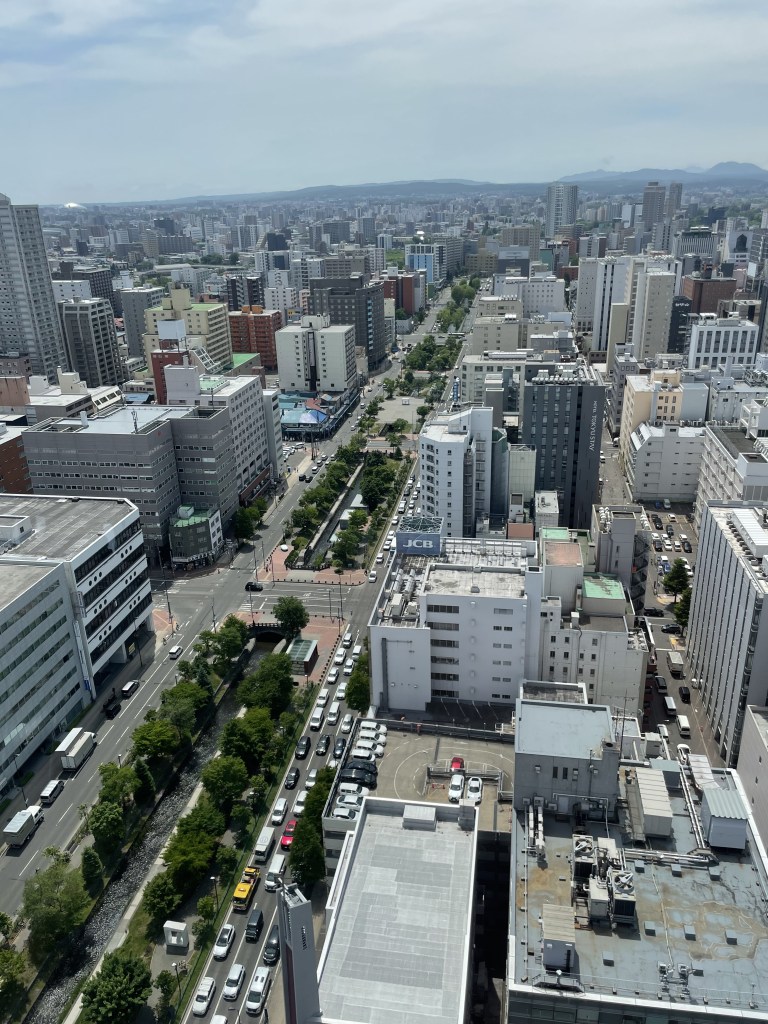
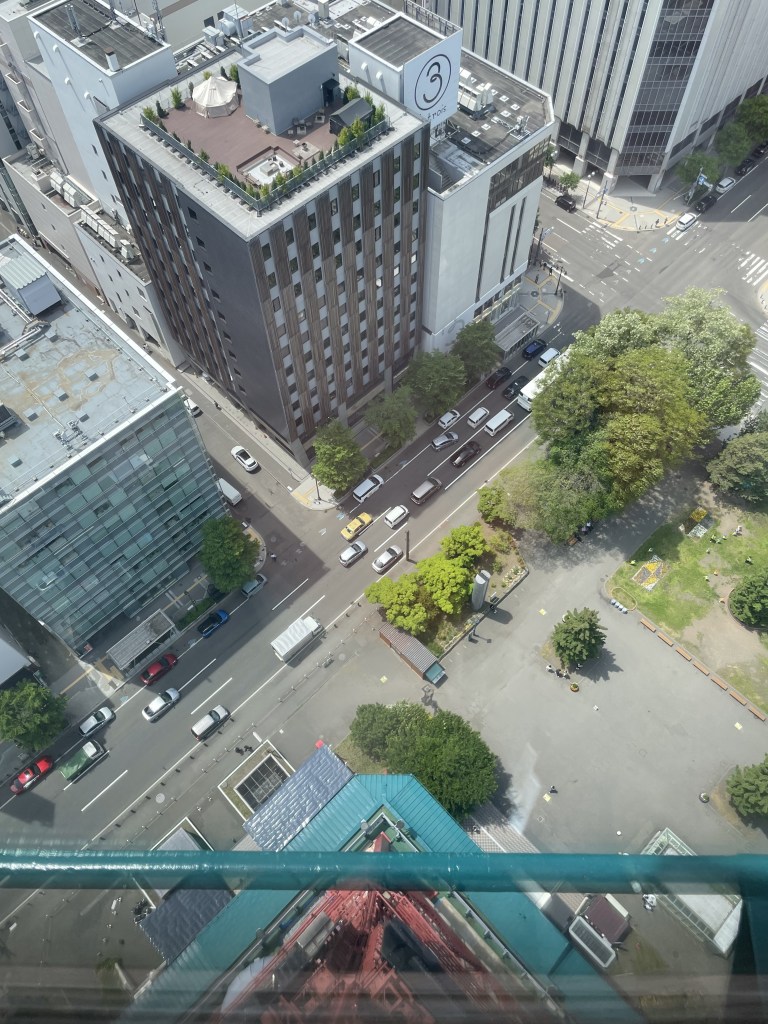
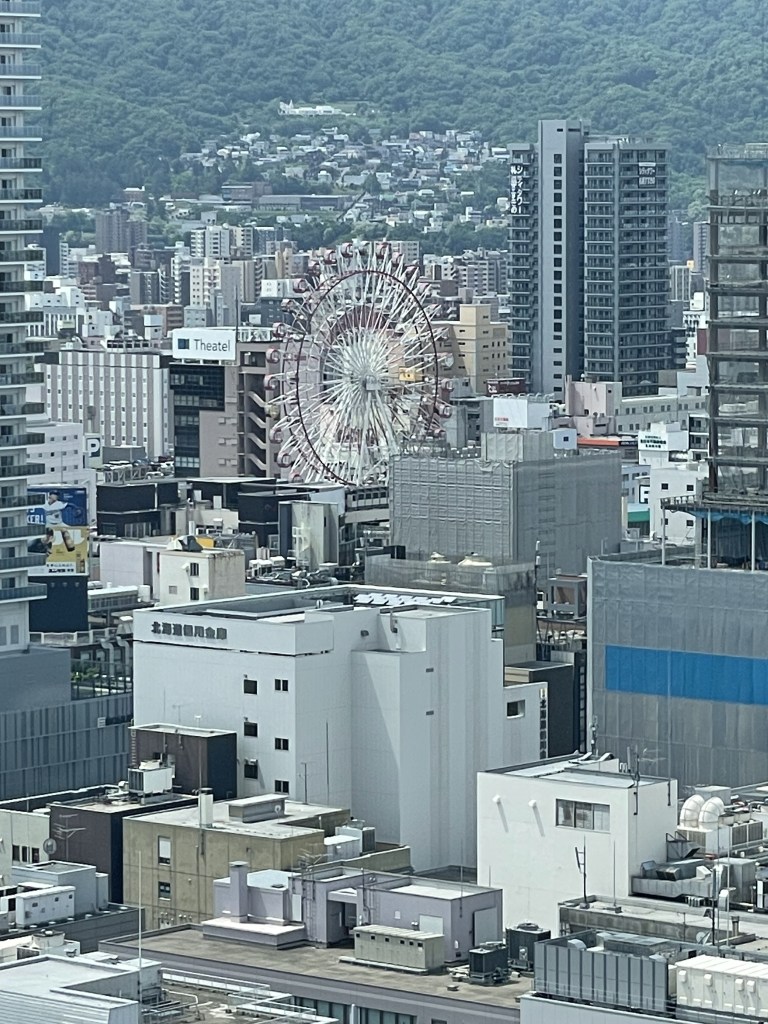
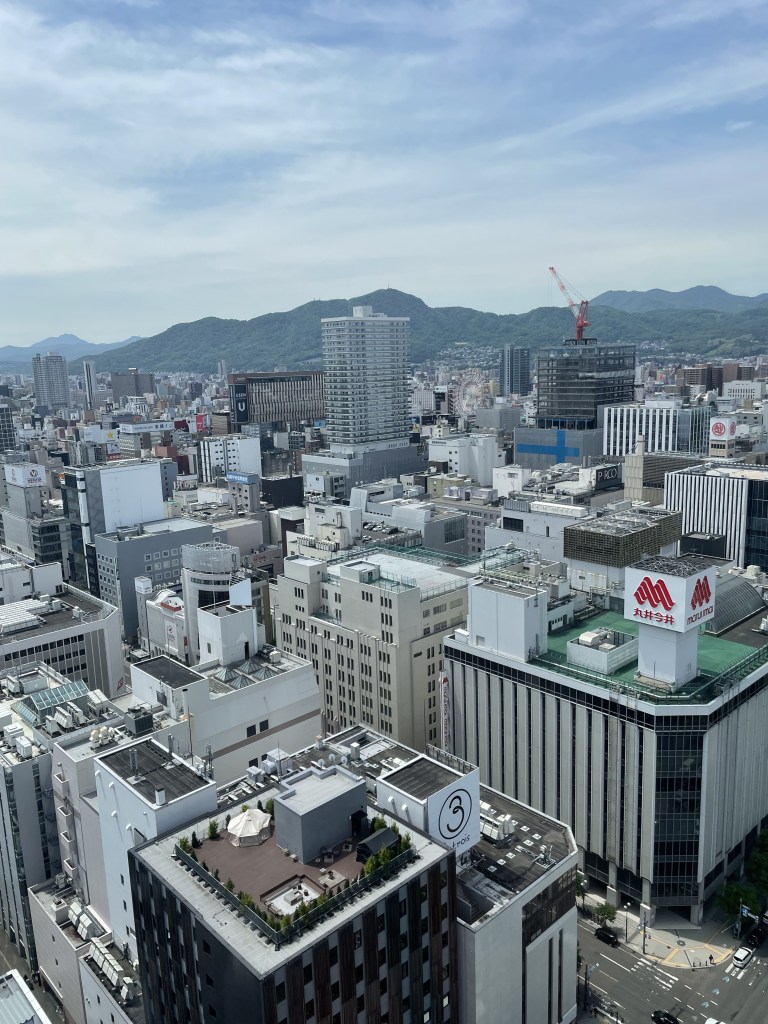
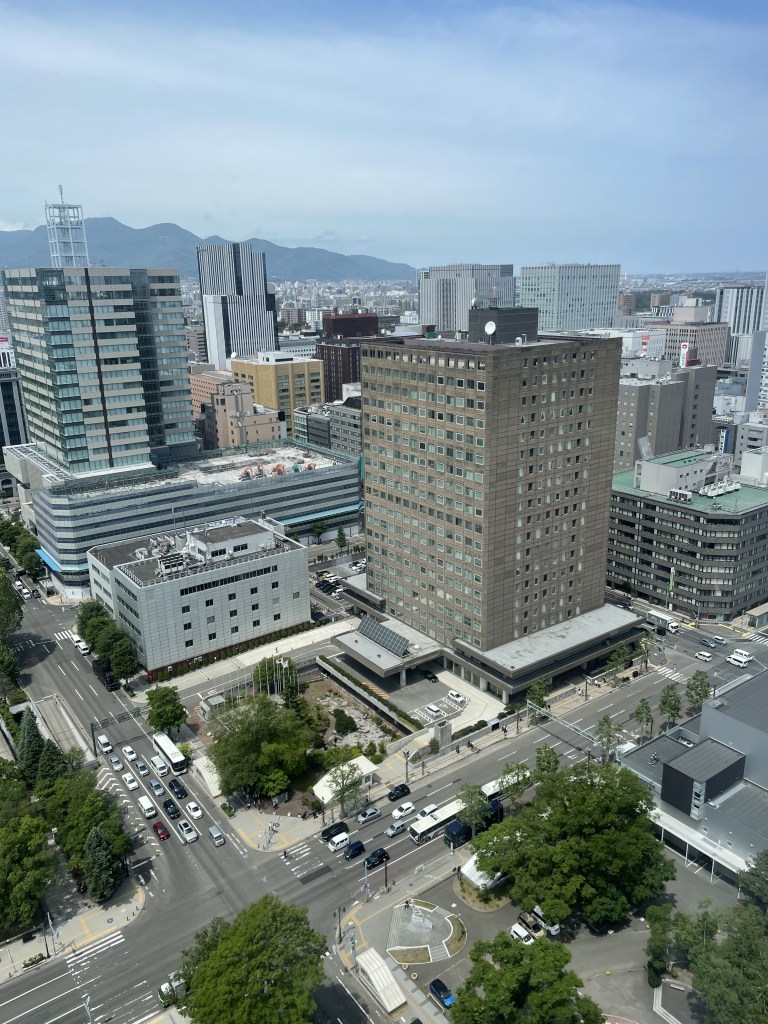
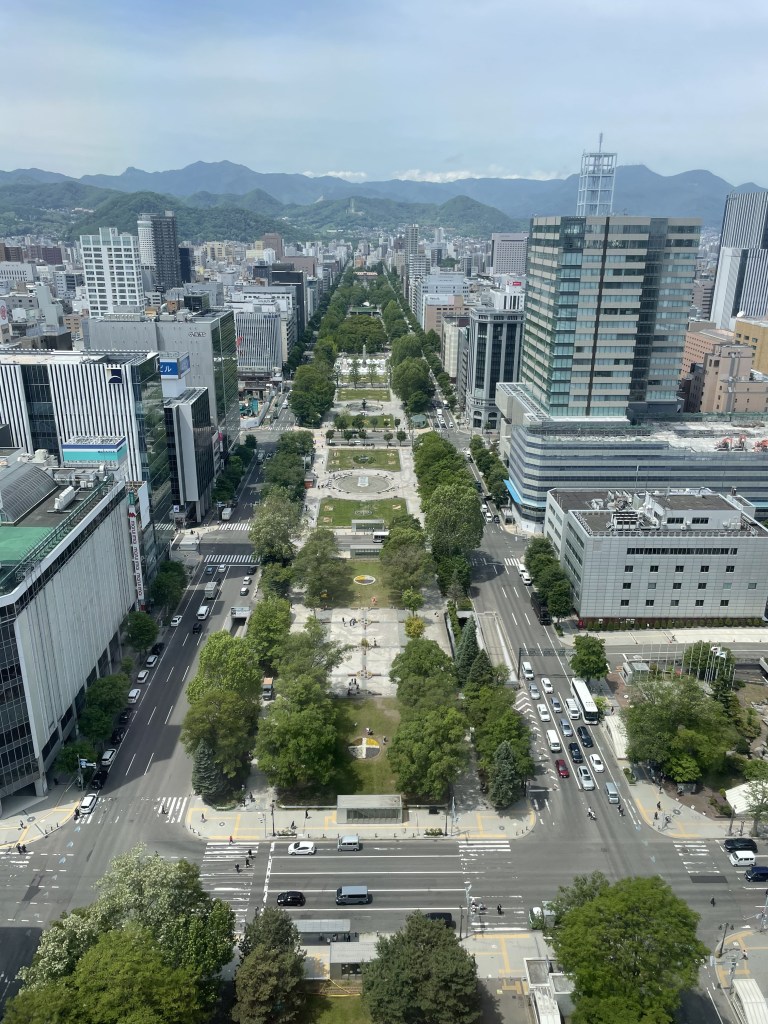
Once she returned to ground level, we headed off walking through the gardens of Odori Park itself. We walked the entire length of the park that you can see in the image above.
Odori Park is far more than just a park, it is the central spine of Sapporo, stretching for about 1.5 kilometres through the heart of the city. Originally planned as a firebreak during the early development of Sapporo, it has evolved into the city’s main public space and a focal point for community life.
Today, the park plays host to a wide range of events throughout the year and is perhaps most famous as the main venue for the Sapporo Snow Festival. This winter event began modestly in 1950 when local students built a handful of snow sculptures in the park, attracting large crowds and eventually growing into one of Japan’s most iconic festivals, drawing millions of visitors annually.
Outside of festival times, the park serves as a green oasis in the middle of the city. It is lined with trees, fountains, sculptures and carefully maintained flower beds, and offers a space where people can sit, relax, eat lunch or simply watch the world go by. Walking through it, you get the sense that this is where Sapporo comes together, a place equally for locals going about their day and visitors passing through for the first time.
From here, we headed to a café for some lunch before returning to the hotel for a rest.
After a bit of a recharge, we grabbed a small suitcase and started digging out all the winter gear we’d brought over for Alex. Our big bags had already done the hard work, thanks to TAQ‑u‑BIN, they’d arrived earlier in the day, so this was really just a quick handover mission while we visited him in this afternoon.
To keep things simple (and avoid wrestling luggage through train stations), we jumped in a taxi instead of braving the subway. One tip I’m very glad I followed: before leaving Australia, I printed Alex’s address in Japanese format. Handing that to the driver made everything incredibly smooth, Japanese addresses can look completely different from what we’re used to, but once it’s in their system, it’s pinpoint accurate. Sure enough, we were dropped right outside his building with zero confusion.
The afternoon itself was easy going, just time spent catching up and enjoying being in the same place again and getting to see Alex’s new lifestyle for the following months. No rush, no real plan, just one of those relaxed family moments you really appreciate later.
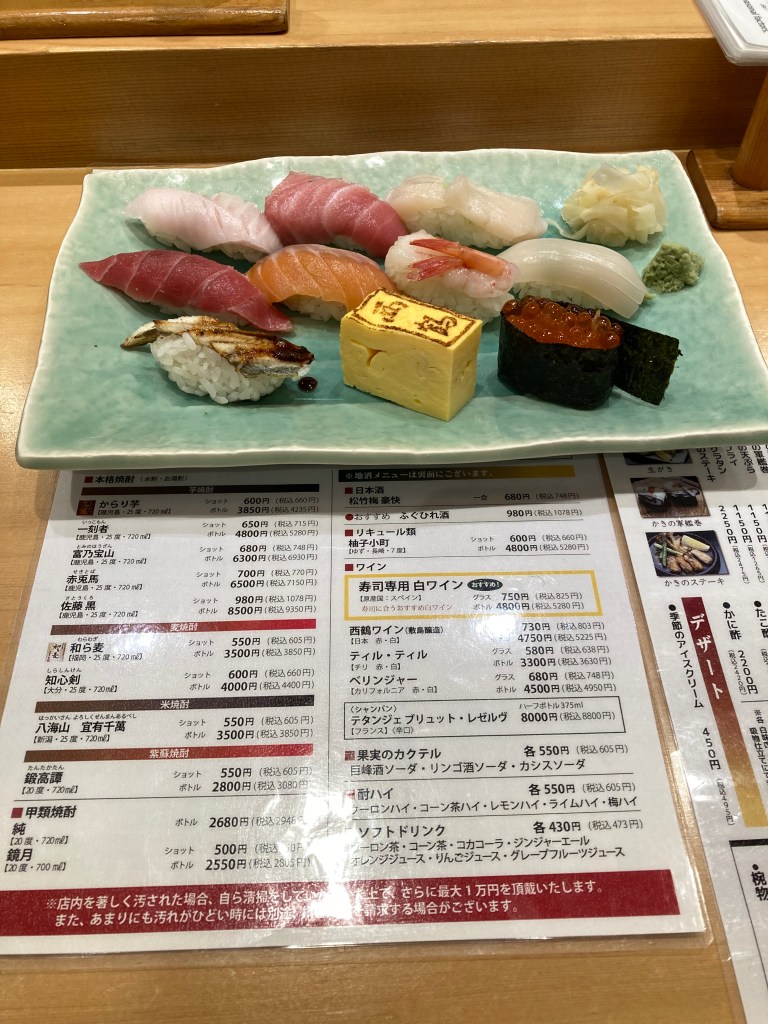
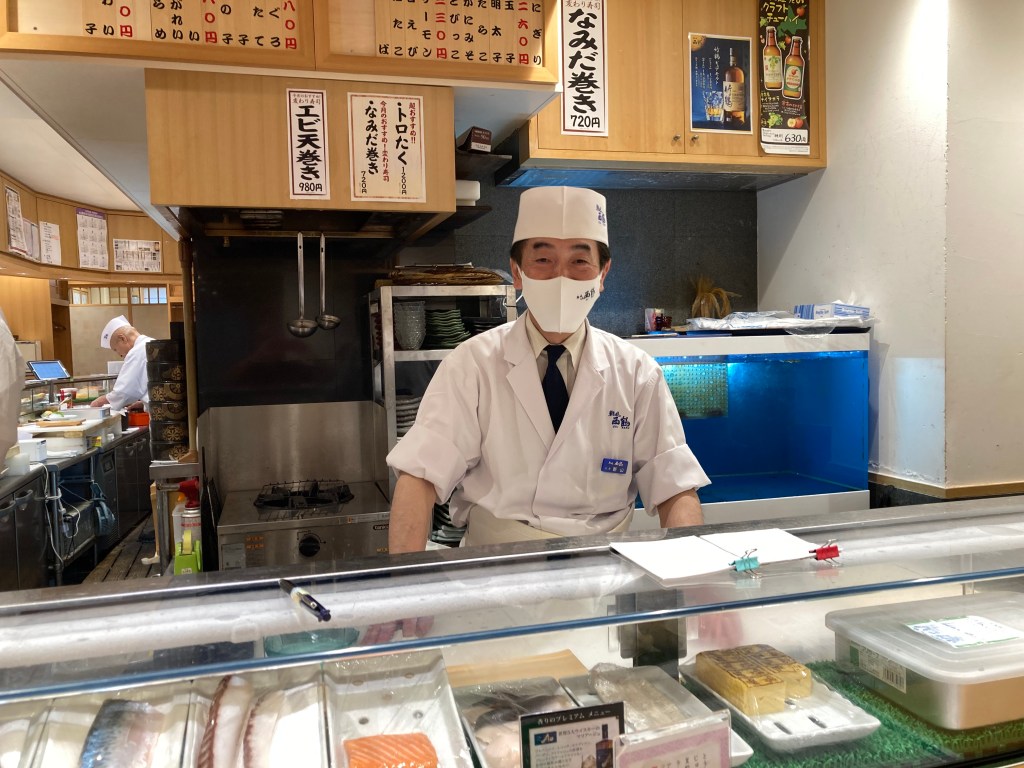
Dinner, however, didn’t go quite to plan… at least at first. The restaurant I’d picked out ahead of time? Fully booked. Not unusual in busy areas here, but still a little deflating. So we did what you end up doing a lot while travelling, walked around and followed our instincts. That’s how we landed at a small spot called NishiTsuru.
From the outside, it’s pretty understated, you could almost miss it. But step inside and it feels calm and welcoming, with warm timber tones, soft lighting, and that comforting hum of quiet conversation. We sat at the counter, which turned out to be the best seat in the house. Watching the chef at work is half the experience, every movement deliberate, every slice precise, every piece finished with just the right touch.
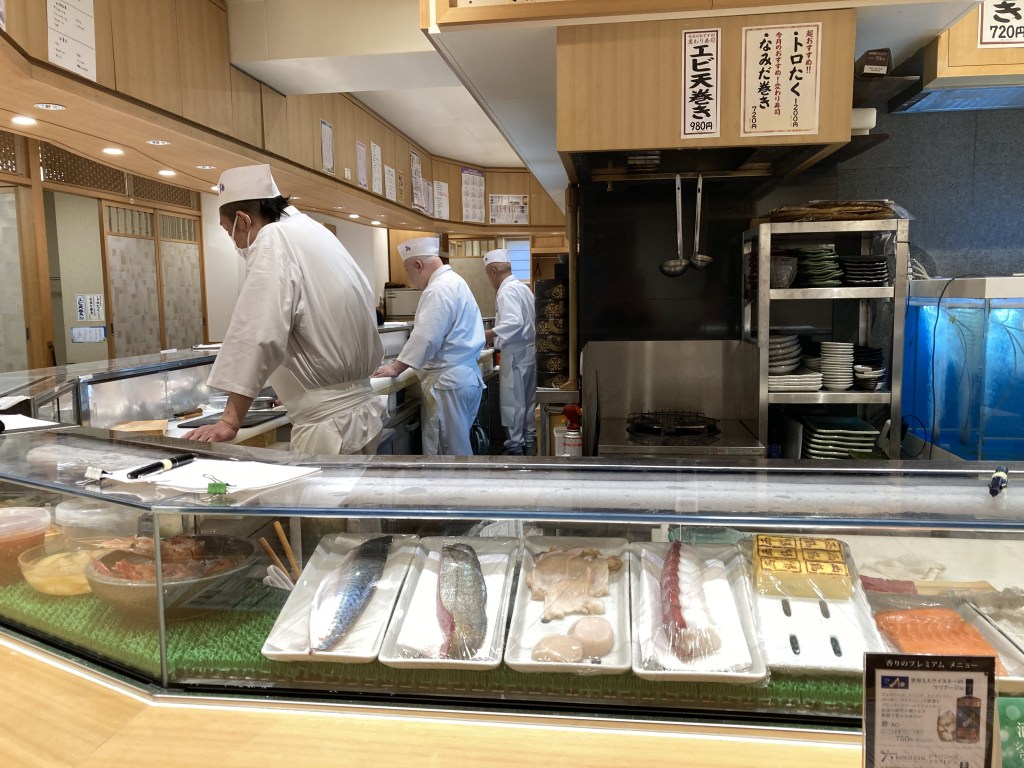
The style here leans very traditional: seasonal ingredients, minimal fuss, and a real focus on letting the natural flavours shine.
We ordered nigiri, eleven pieces per set and one set to share… or at least that was the plan. Thanks to a small mix-up, two sets arrived instead. Twenty-two pieces of sushi later, there was no turning back.
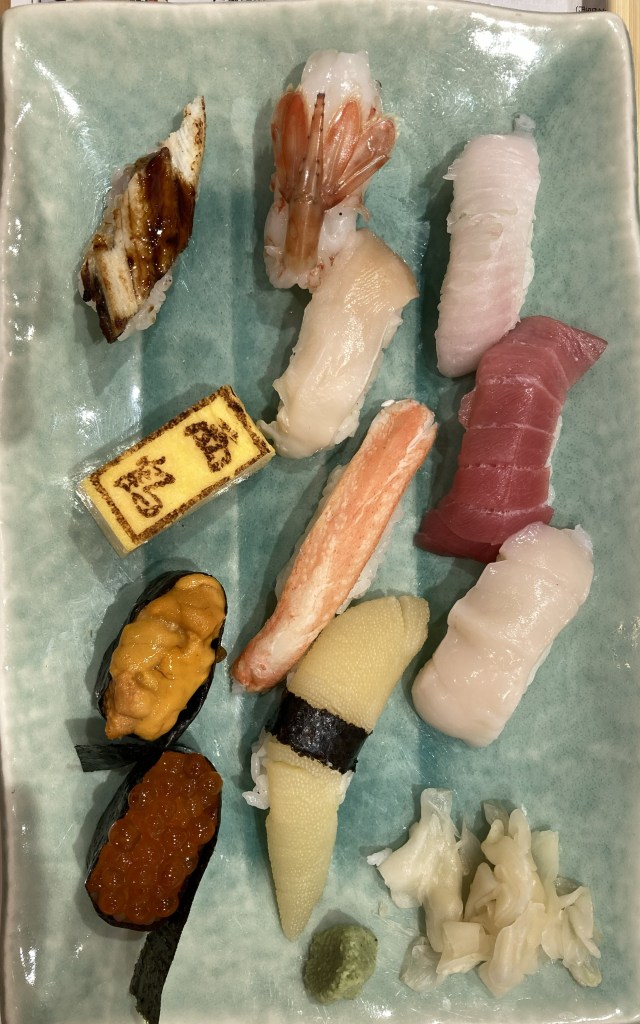
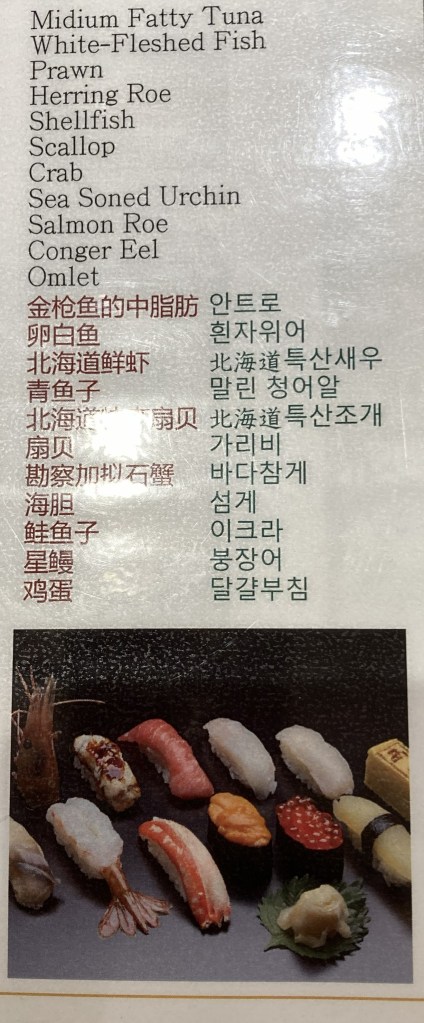
Each piece was beautifully balanced. The rice was lightly vinegared, still slightly warm, and shaped just right, not too tight, not too loose. The tuna was a standout, soft, rich, and clean-tasting without being overly fatty. The white fish was more delicate, almost translucent, with a subtle sweetness that really highlighted how fresh it was. The prawns had that perfect bite, firm, slightly sweet, and clearly handled with care. Some pieces had a light brush of soy or glaze, just enough to bring out extra depth without overpowering anything.
Then came something a little different: small bowls of sea snails, still in their shells. They had a dense, slightly chewy texture and a strong ocean flavour. Maree, being far more adventurous (and with some escargot experience under her belt), gave them a go and enjoyed them. I passed. Which worked out well for her, she happily took my share too.
Next came the tempura, and this is where the kitchen truly flexed its skill.
The batter was incredibly light, almost delicate, with that perfect pale golden colour that tells you the oil temperature is spot-on. Each piece had a crisp, fragile crunch that disappeared almost instantly, leaving no heaviness behind.
The very large prawn was sweet and tender, still the star beneath the coating. The white fish also to die for. The vegetables added a nice mix of textures and flavours, pumpkin was soft and almost creamy inside, with a gentle sweetness that came through beautifully. The potato, eggplant, mushrooms, and greens all kept their structure, picking up a subtle depth as they cooked, earthy, slightly nutty, and really satisfying.
The dipping sauce, light, savoury, with just a hint of sweetness, tied everything together, while the grated daikon and ginger added a fresh, slightly sharp edge that kept things from feeling too rich.
Once again, though, I completely forgot to take any photos. It keeps happening, and it’s honestly down to just how incredible the food looks when it arrives, so perfectly presented and utterly mouth watering that the last thing on my mind is reaching for my phone to capture the occasion. By the time I remember, I’m already halfway through, completely lost in the moment.
Despite the accidental feast, we somehow managed to finish everything; enjoying every moment.
After dinner, we took a slow walk back to the hotel in the cool evening air. It was one of those perfect wind-down moments, quiet streets, full bellies, and no rush to be anywhere. The night ended simply, with a glass of wine and a bit of reflection on a day that started with logistics and ended with one of those unexpectedly great meals that you stumble into while travelling.
Saturday 6 June 2026
There is absolutely nothing to report today, truly groundbreaking stuff. We bravely committed to what can only be described as a highly strategic “non-event day,” focusing our elite energies on such thrilling pursuits as getting the laundry up to date and, in my case, heroically wrestling a few spreadsheets into submission ahead of the incoming quarterly utility invoices. Riveting, I know.
In a bold twist, we also decided to sleep in and have a late breakfast, really leaning into the whole “doing very little, very well” theme of the day.
And in case you’re worried we didn’t manage to leave the hotel at all, we did venture out for dinner. We went to a small teppanyaki restaurant, mainly because neither of us was really that hungry for a full meal and it felt like the kind of low commitment excitement that matched the day’s tone perfectly.
So, with today’s thrilling non adventures wrapped up, that’s all from us. Until tomorrow, when we may or may not do something equally unremarkable, weather permitting, as rain is on the way.
Sunday 7 June 2026
The rain held off for the day, just enough to get us out and about, though that cool Hokkaido breeze stuck around as a constant reminder of where we were. After breakfast, we figured we’d take it easy and just wander central Sapporo. Instead of heading straight to Sapporo Station, we decided to take the long way around… because honestly, that’s usually where the fun is.
So, we hopped on one of the city’s trams and went all in on the outer loop (clockwise). It turned out to be such a good call. Almost straight away, the slow, steady rhythm of the tram set the tone, relaxed, local, and kind of hypnotic in the best way.
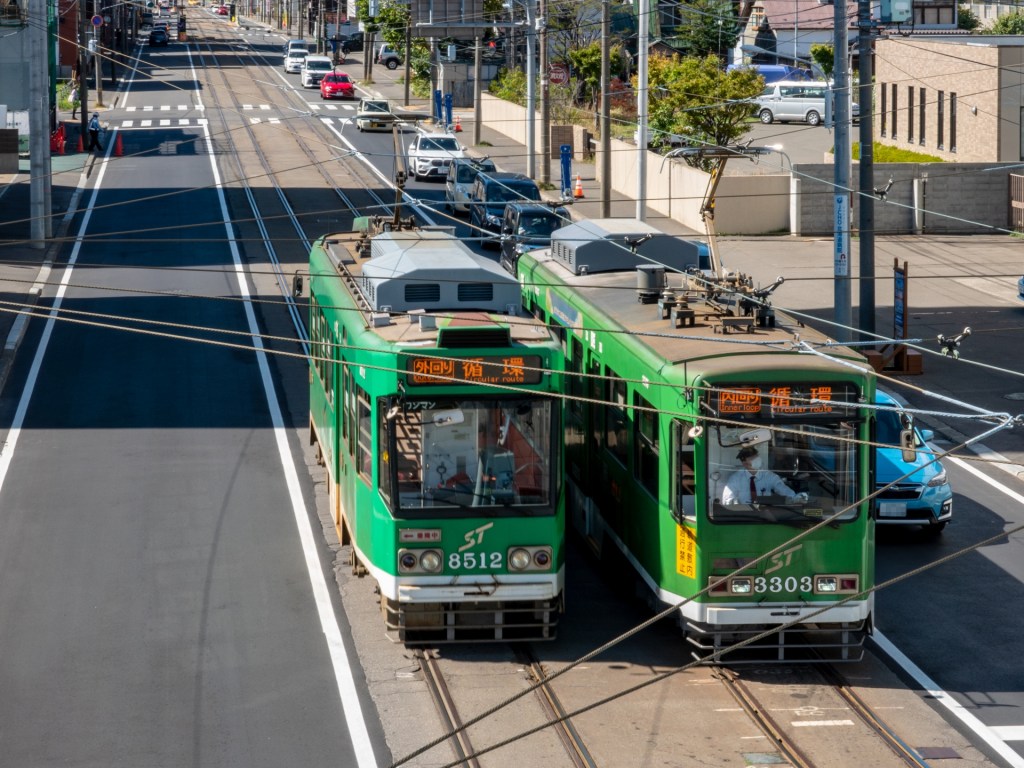
Rolling out of Nishi-Yon-Chome, we passed through Susukino. It’s funny seeing it in the daytime, it feels like a totally different place. The neon signs are still stacked high and everywhere, but the streets are quieter, almost like the area is still asleep. You can tell it comes alive at night, but during the day it’s much more low-key. It felt like we’d caught it in between shifts.
As the tram curved along Nakajima-Koen-Dori, things softened a bit. The buildings gave way to greenery, and we started catching glimpses of Nakajima Park, big open lawns, trees swaying in the breeze, little pockets of water here and there. It’s such a nice contrast to the city. We also passed by Hoheikan, this historic Western-style building that feels a bit unexpected but also fits perfectly into Sapporo’s story.
Further along, the vibe shifted again as we got closer to Mt. Moiwa. Things started to feel a bit quieter, almost suburban. This part of the loop is probably one of the prettiest, you’re still in the city, but you can really feel nature creeping in. When we went past Ropeway, Iriguchi, it was a good reminder that you can head straight up the mountain from there for some amazing views. Even from the tram, you could kind of feel the mountain looming in the background.
Then we turned up along Ishiyama-Dori and slowly drifted back into the city. The tram filled up and emptied out with locals just going about their day. Through the windows, we caught all these little moments, shops opening up, cyclists weaving through traffic, people just doing their thing. By the time we jumped off near Sapporo Station, it honestly felt like more than just a ride, it was a really nice way to get a feel for the city.
From there, we kept walking and not long after stumbled across the Former Hokkaido Government Office Building, the Red Brick Office. It really stands out. The deep red colour against all the modern buildings around it makes it hard to miss.
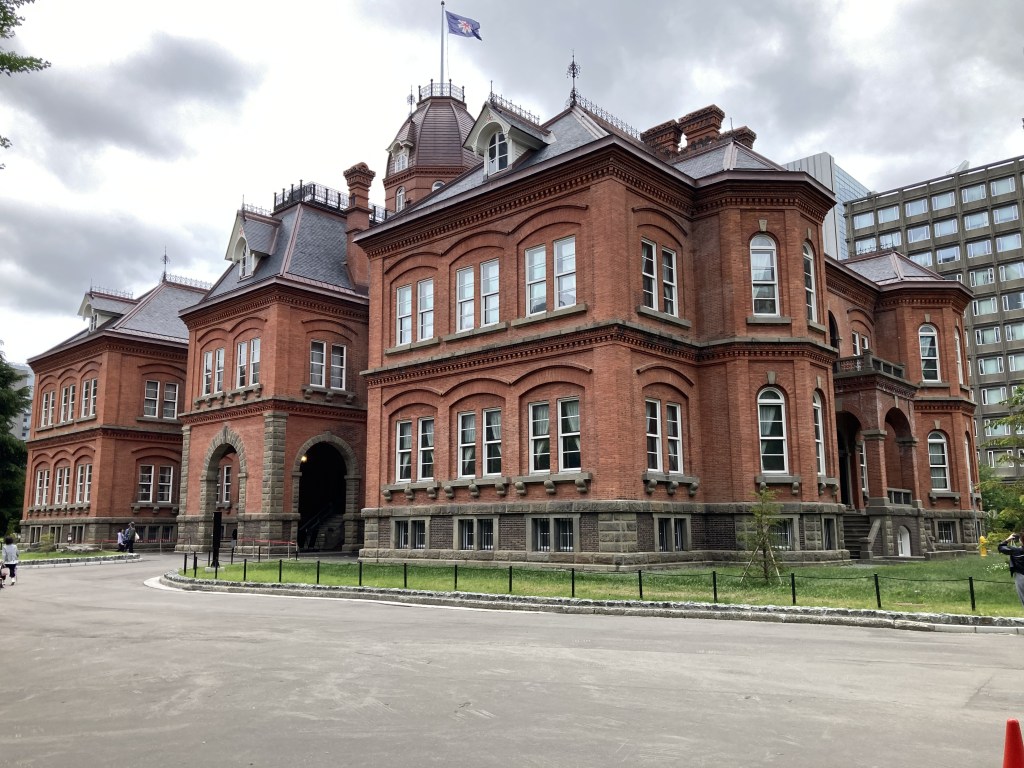
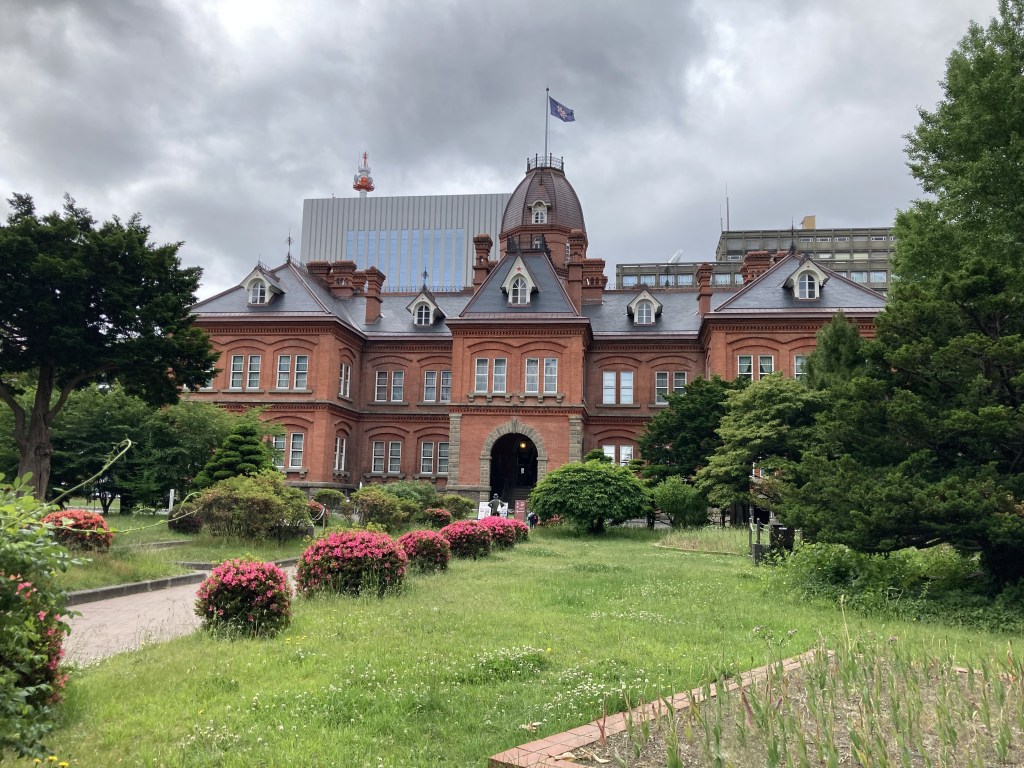
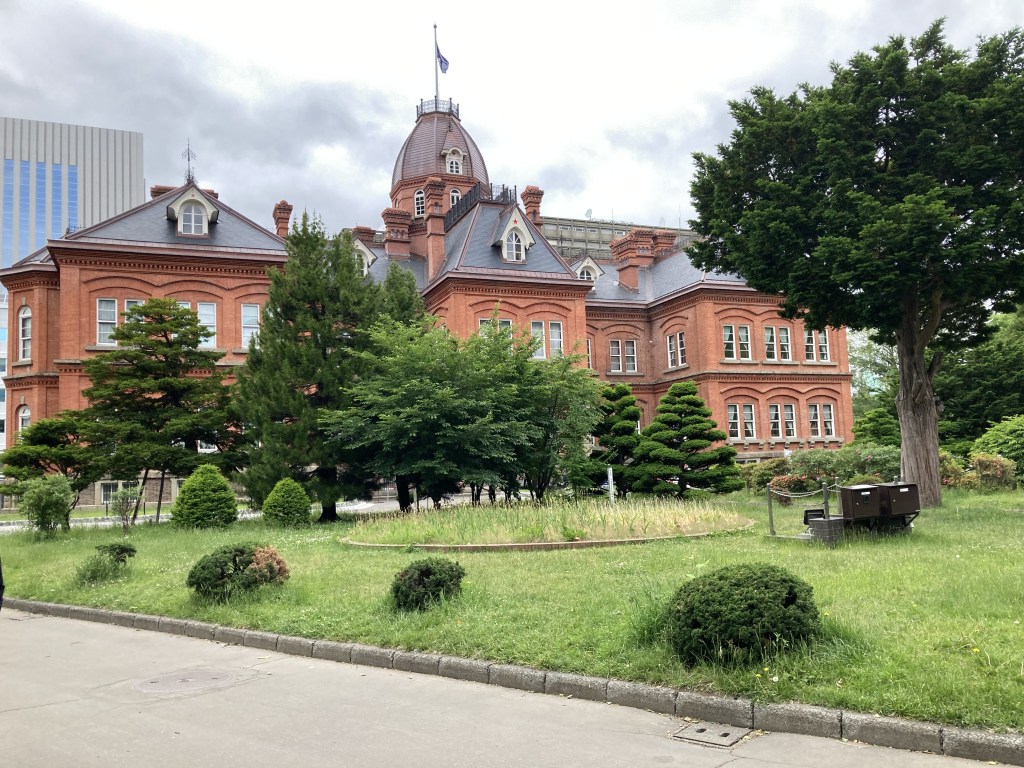
We slowed things down and wandered through the gardens first, which felt really calm compared to the busy streets nearby. The building itself has a pretty interesting backstory, originally built in the 1870s, influenced by Western architecture, rebuilt after fires… it’s been through a lot. But it’s been beautifully restored and now just sits there as this solid reminder of Sapporo’s early development.
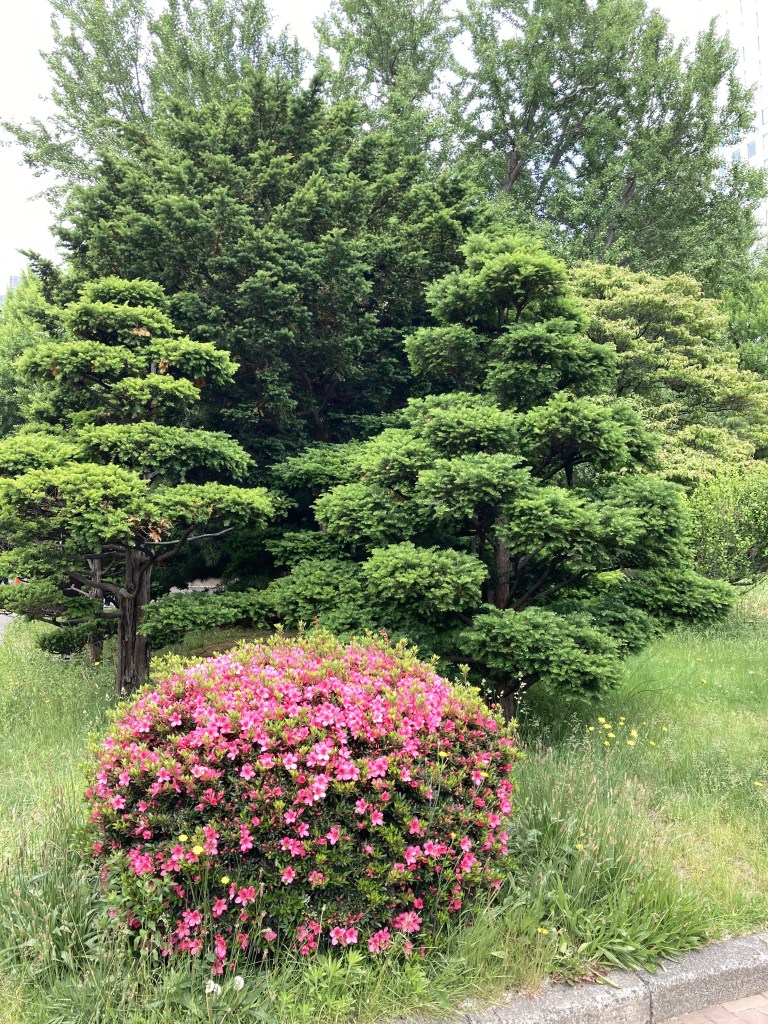
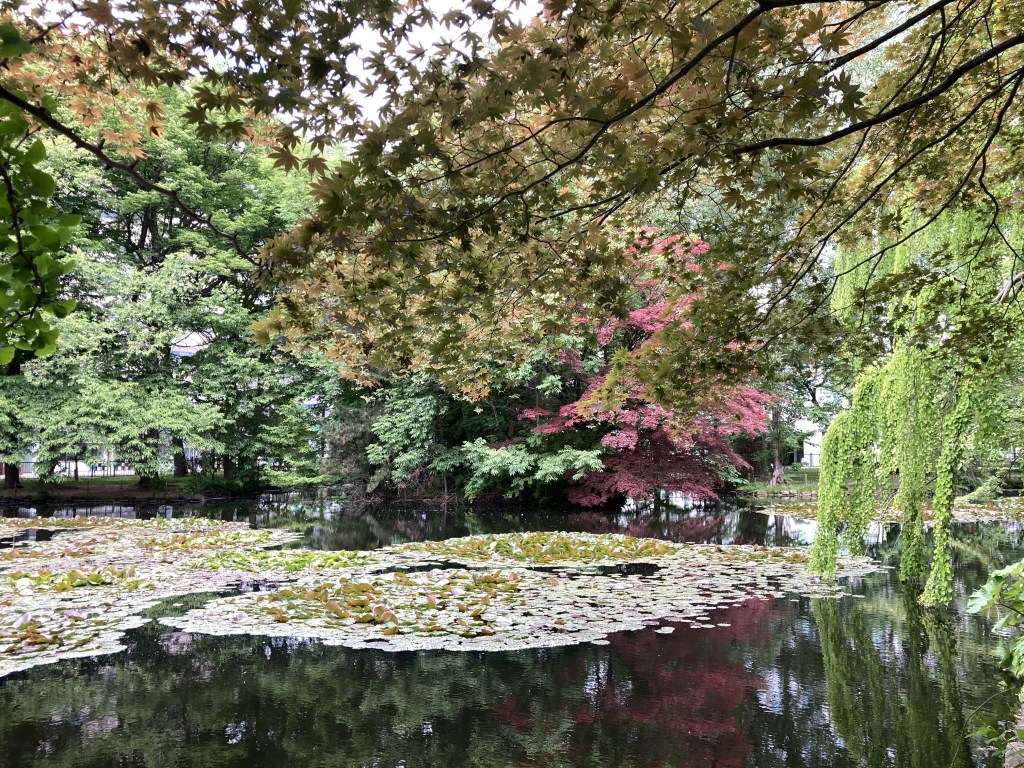
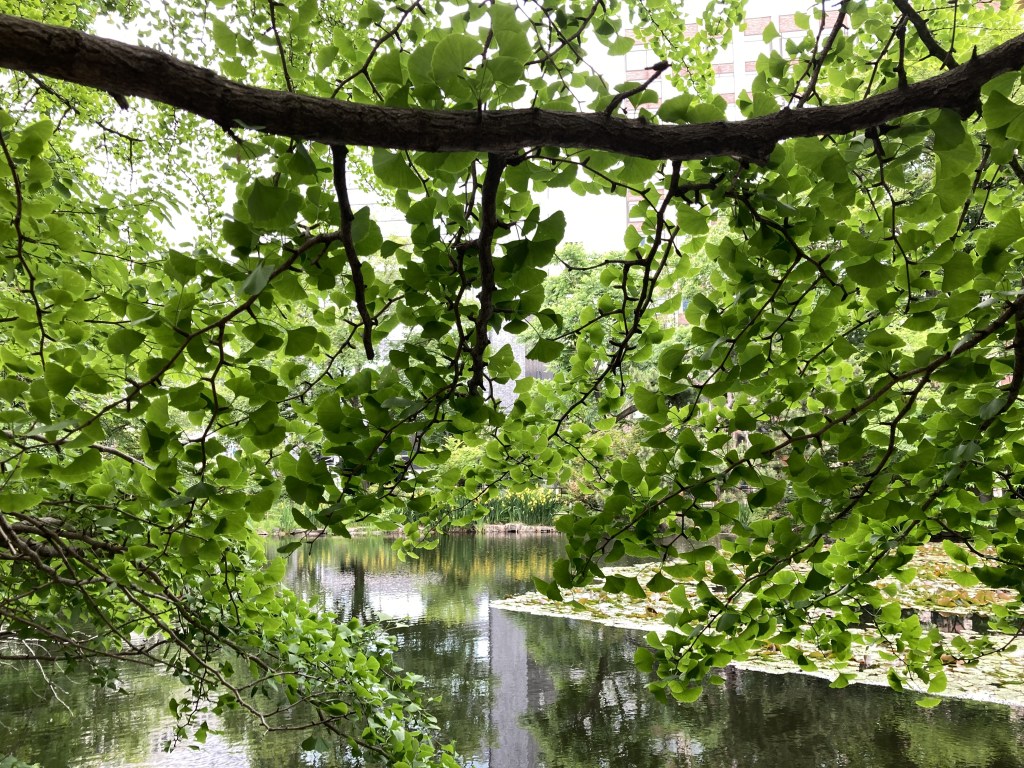
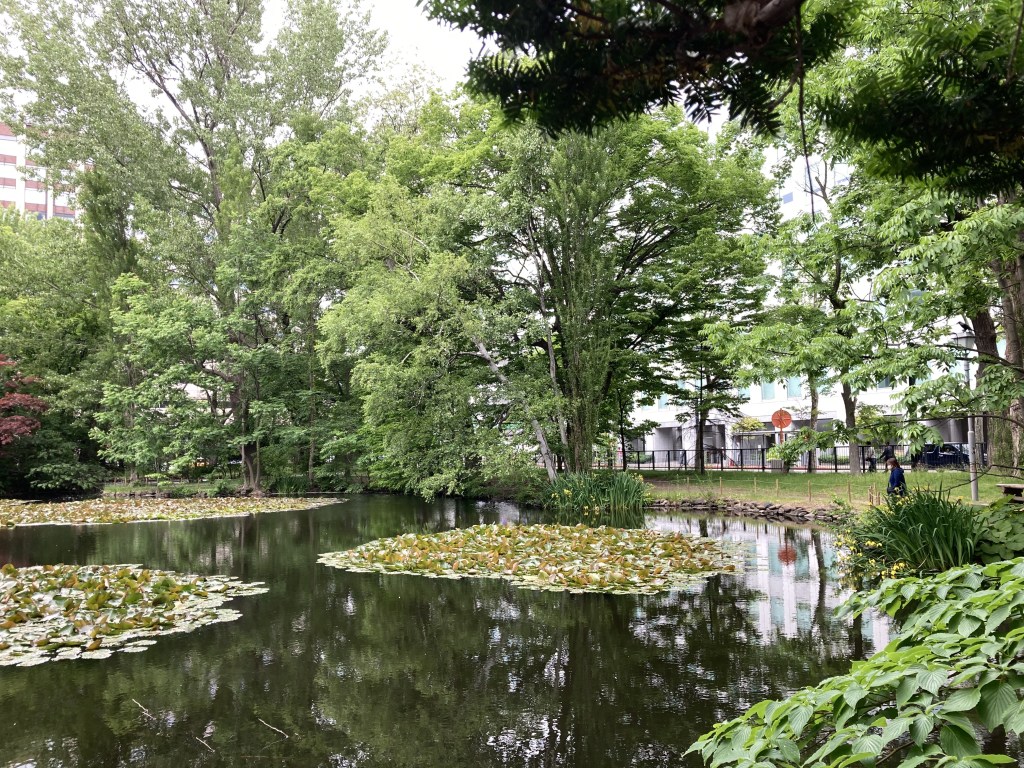
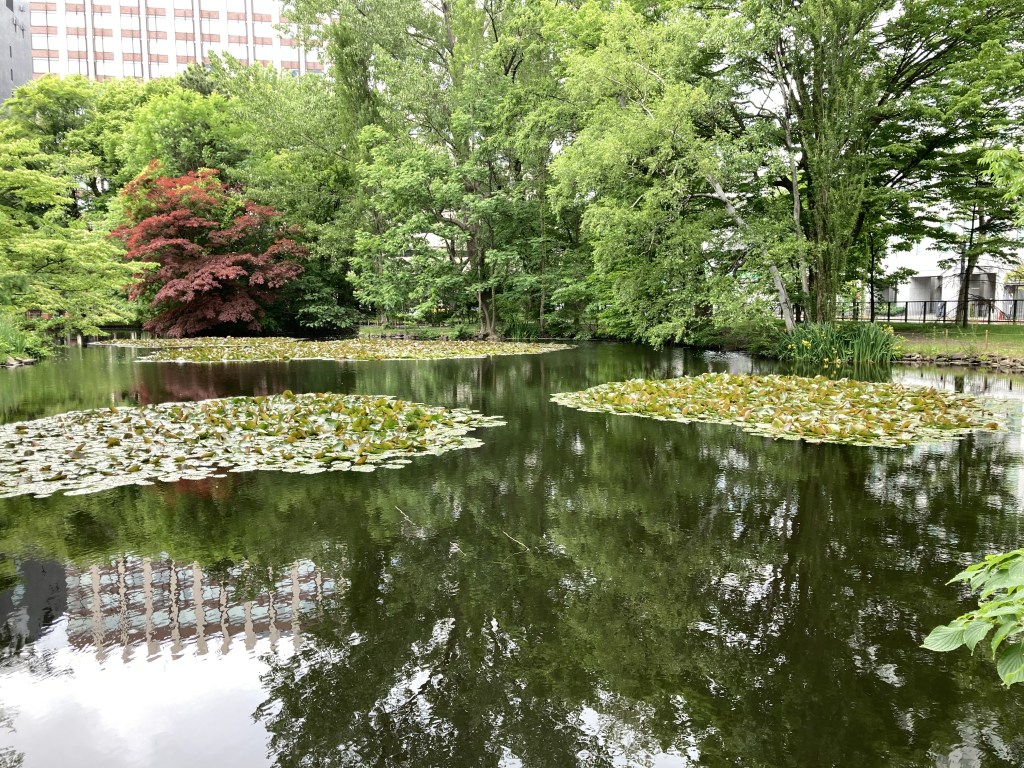
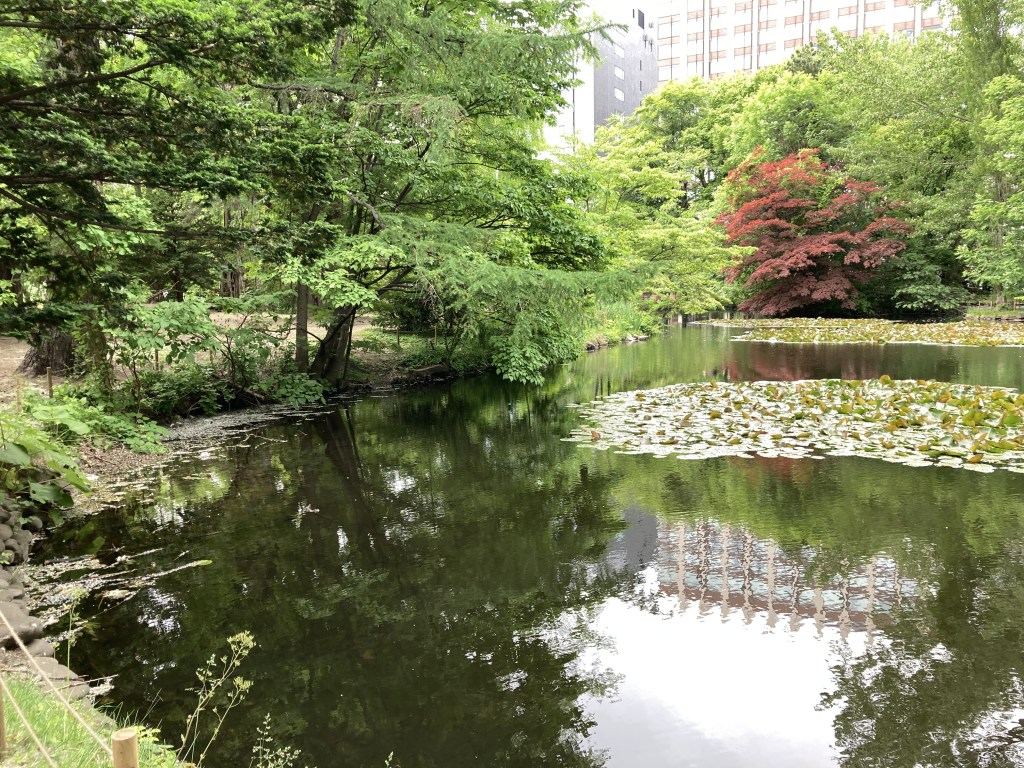
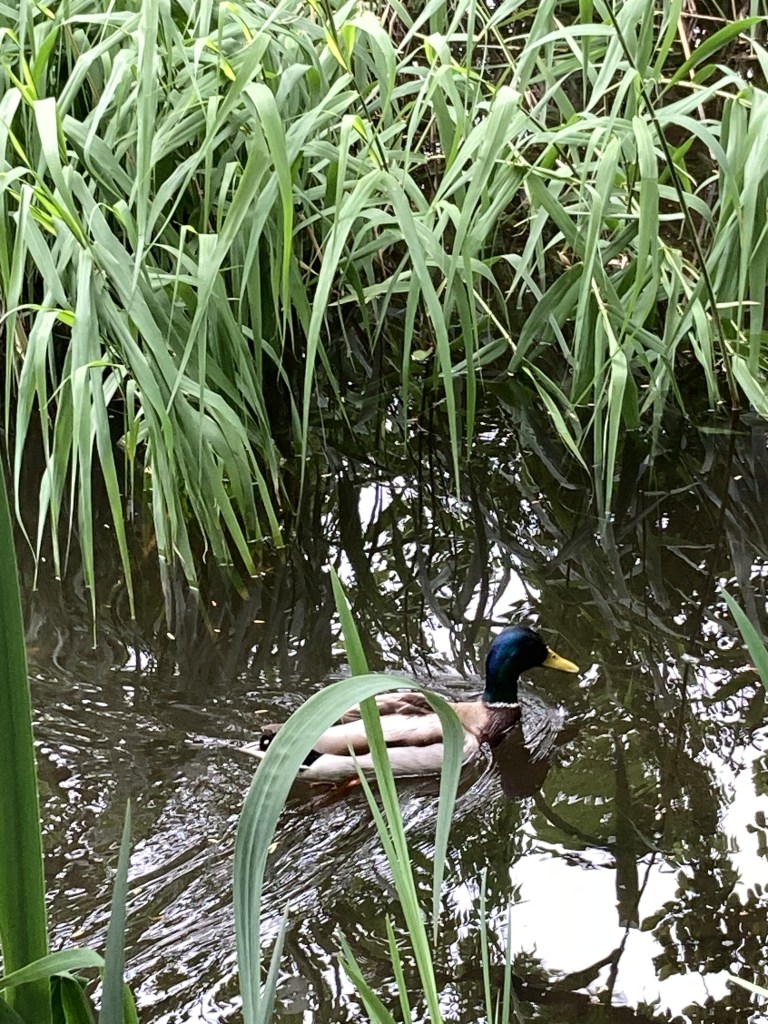
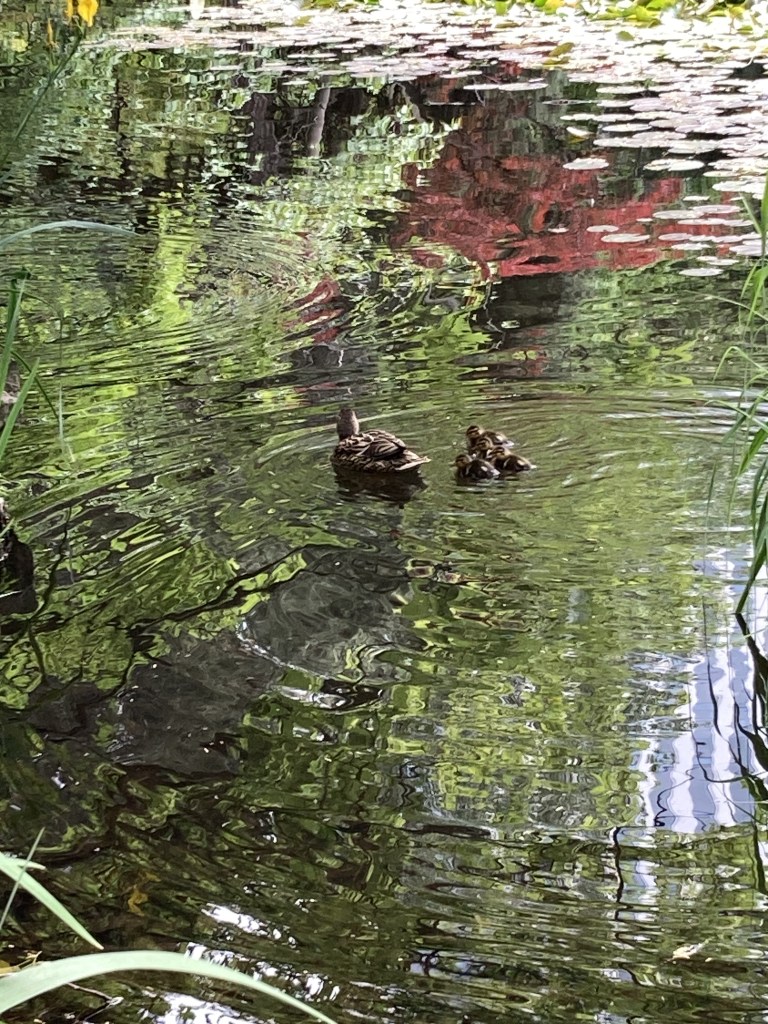
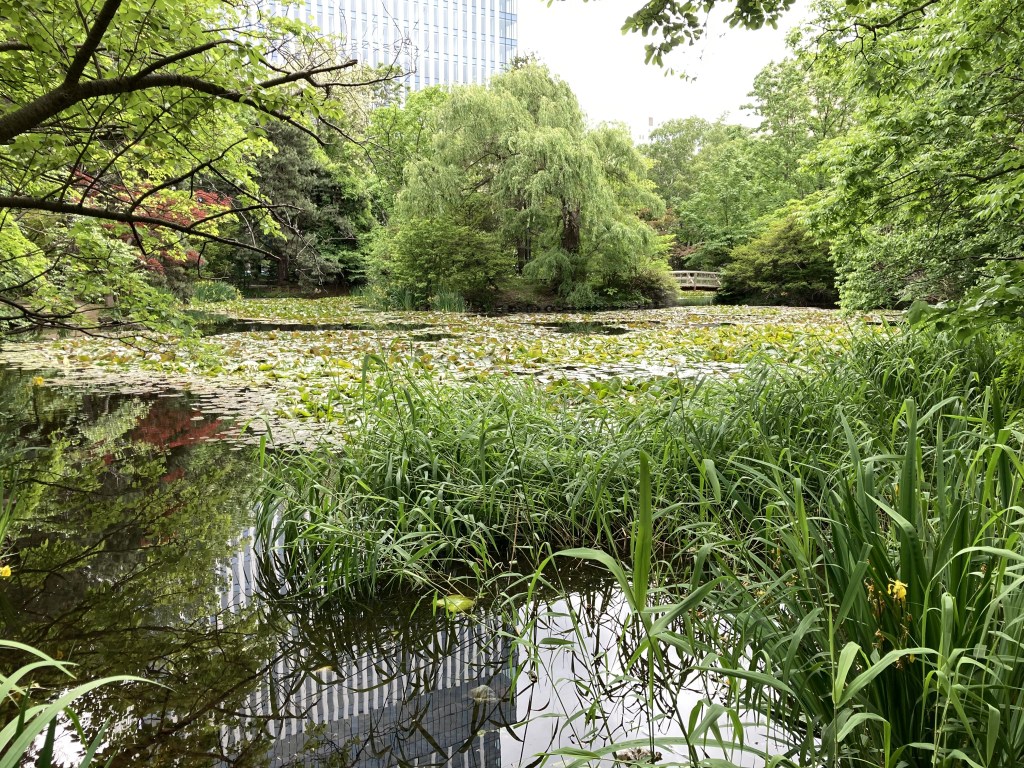
Inside, there are exhibits about Hokkaido’s history, settlement, agriculture, all that, and even small details like the double-paned windows show how carefully it was designed for the cold winters. It’s one of those places where you can take your time and just soak it in.
After that, we made our way toward Sapporo Station, and the vibe completely flipped again. Suddenly everything felt more fast-paced and energetic.
The station area is huge. It’s not just a train station; it’s basically a whole city hub. You’ve got JR Tower rising up above everything, shopping malls stacked on top of each other, and these massive underground areas like APIA, an extensive underground shopping corridor that connects JR Sapporo Station and the Subway Sapporo Station and ESTA , an iconic, 11-story shopping center located on the east side of the JR Sapporo Station that closed its doors on August 31, 2023, after 45 years of operation to make way for new station redevelopment and a Hokkaido Shinkansen extension. APIA seemed to go on forever. Even on a regular day it is packed with people shopping, eating, and just moving through the city.
We didn’t head up to the observation deck this time, but knowing it was there giving a cool bit of perspective, somewhere above us was a view of everything we’d just travelled through.
From the station, it’s an easy walk down to Odori Park, which kind of cuts right through the center of Sapporo. It’s such a nice open space, especially with that breeze, and you can tell it transforms a lot depending on the season.
At the end of the park, you’ve got the Sapporo TV Tower, which adds a bit of retro charm to the skyline and kind of ties everything together visually.
By this point, what really stood out was how well everything connects. The tram showed us the quieter sides of the city, the park and Red Brick Office gave us some history and space to slow down, and the station brought all the energy back.
It didn’t feel like we were rushing around ticking things off, it felt more like we were just gradually getting to know Sapporo.
By the time midday rolled around, we were definitely ready for a break. Not far from the Red Brick Office, we spotted a Starbucks and ducked in. Maree grabbed coffee and cake, and I went for a ham and cheese roll with an iced coffee, nothing fancy, but it hit the spot.
After that, we took a slightly different route back to the hotel, wandering through some quieter backstreets between Odori Park and the Lamp Light Books Hotel. Honestly, that ended up being one of my favorite parts of the day, super relaxed, hardly anyone around, and just those little everyday glimpses of local life.
It’s kind of wild to think everything we’ve done so far has been within a 1.5–2 km radius of the hotel. There’s just so much packed into this area, you keep finding new things without even trying.
Once we got back, we chilled out for a bit and planned the next couple of days.
But tonight is the main event, we’re celebrating Alex’s 30th birthday.
We’ve booked dinner at Teppanyaki Mitsui, which we visited last December and absolutely loved, and honestly, it turned into one of those evenings you wish you could bottle up and relive. From the moment we walked in, the energy was just right, with that perfect mix of excitement and warmth that makes you feel like you’re in for something special.
It’s one of those places where the chefs cook everything right in front of you, so the whole meal feels like part dinner, part theatre, though here, the focus is firmly on the craft itself rather than flashy performance. Watching them work is incredible, every movement precise and effortless, and you can tell how much care goes into every dish before it even hits the plate. There are none of the theatrics like throwing food or putting on exaggerated shows, that kind of entertainment isn’t Japanese at all. In teppanyaki, the artistry lies in the cooking and preparation, while those showy elements tend to come from international adaptations run by other cultures, not from traditional Japanese practice.
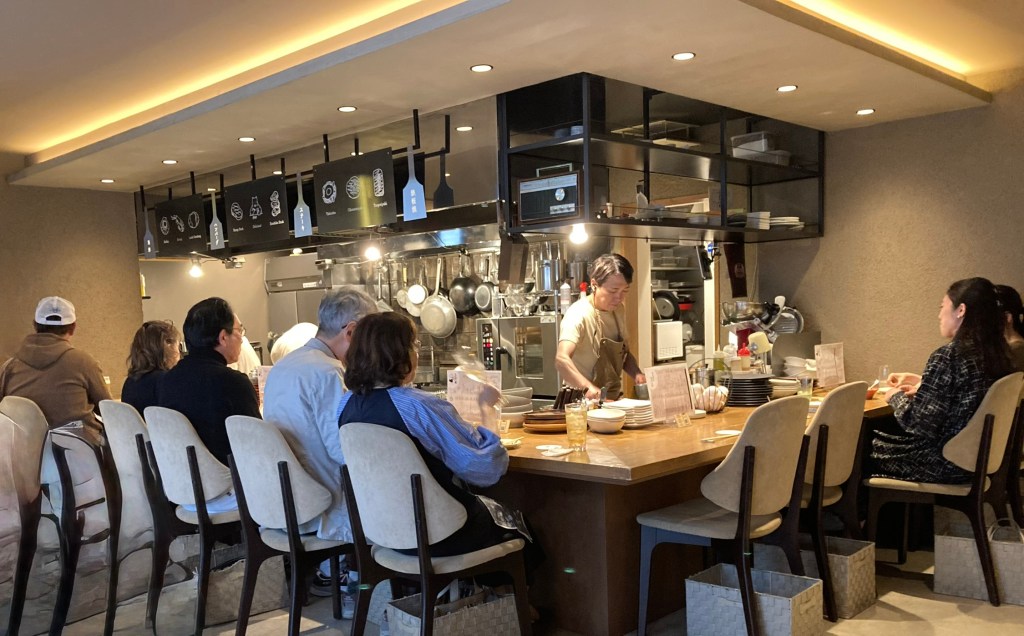
The food was outstanding. The Hokkaido beef and venison was unbelievably tender and full of flavour, cooked to perfection with that beautiful, melt-in-your-mouth finish. The seafood was just as impressive, so fresh you could really taste the quality, and each dish was prepared with such attention to detail. Even the sides and accompaniments were spot on, perfectly balanced and clearly thought through, not just afterthoughts. Every course felt like it had been carefully crafted, and you could really appreciate the skill behind it all.
What made the evening even better was how everything came together, the incredible food, the atmosphere, the live cooking, and just the overall sense of occasion. It was one of those meals where you find yourself talking about each dish as it comes, completely immersed in the experience, and by the end you’re happily full and still thinking about what you just ate.
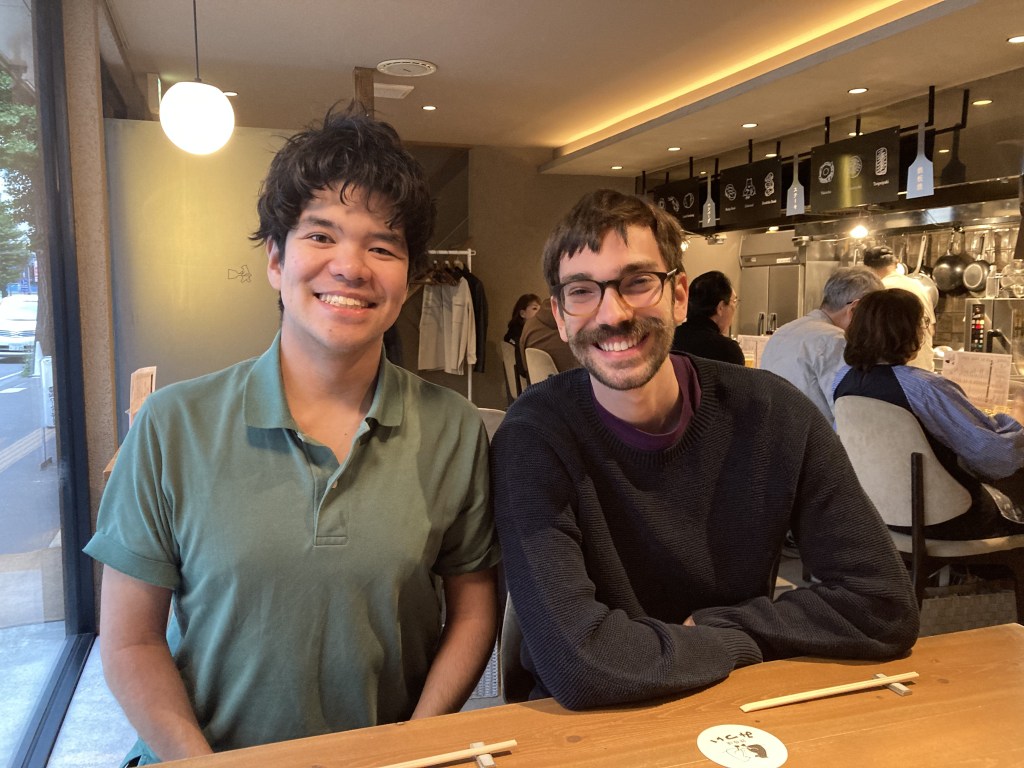
We definitely didn’t leave hungry, that’s for sure, but more than that, we left feeling like we’d had a genuinely great night out.
So yeah, really excited being back and doing it all over again, another amazing evening of beautifully prepared, delicious food, that buzzing atmosphere, and a proper birthday celebration to top it all off.
Monday 8 June 2026
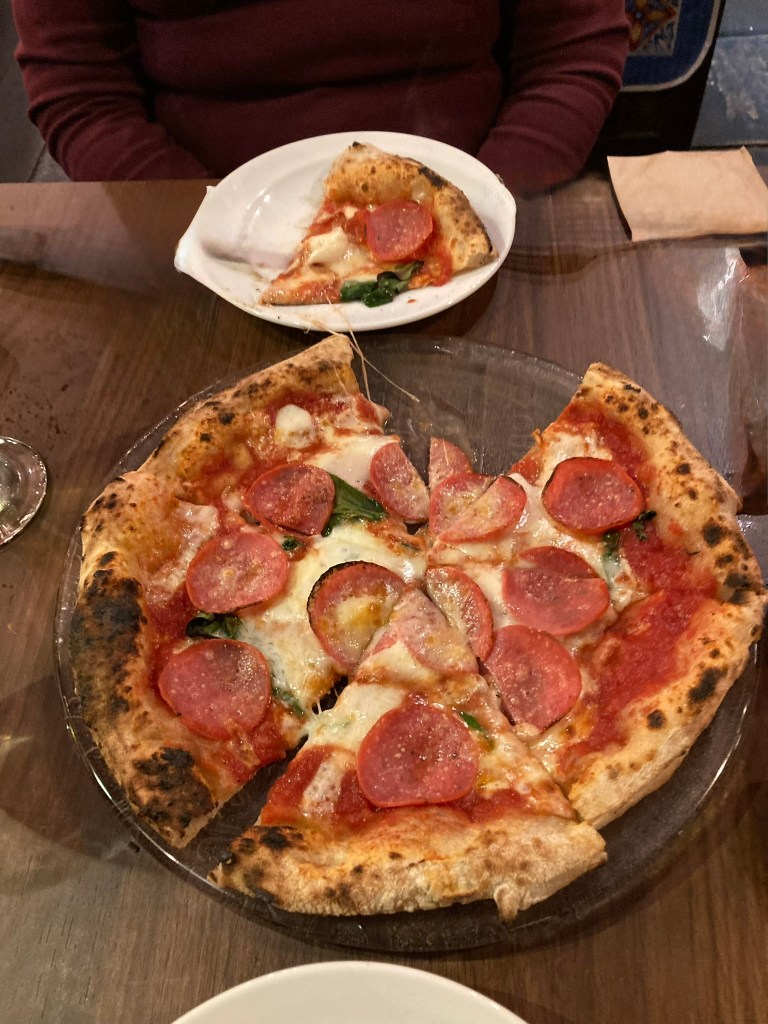
The weather kept us indoors today, with heavy rain making it unsuitable for exploring. Instead, we enjoyed a quiet day reading and relaxing. In the evening, we ventured out just across the street to a nearby pizzeria, conveniently reachable under cover from our hotel. The pizzas were beautifully authentic, with perfectly thin, Italian-style bases, and both of our choices were delicious. Tomorrow, we’re hoping for better weather so we can visit the Hill of the Buddha, which, according to the forecast, should be possible once the rain clears.
Tuesday 9 June 2026
We set off from the hotel at around 8:30 this morning, just after breakfast. It was one of those gently grey mornings where the air felt fresh and calm, with only the occasional drizzle passing through, nothing that could dampen the mood. If anything, the soft weather added a certain quiet atmosphere to the day ahead. Our destination was the remarkable “Hill of the Buddha,” a site I had been particularly looking forward to visiting.
Our journey began with a short walk to the nearest subway station. From there, we took the train down to Makomanai Station, the southernmost stop on the Namboku Line in Sapporo. The train ride itself was smooth and uneventful, giving us a chance to watch the city gradually give way to quieter suburban surroundings. Once we arrived, we transferred to a local bus, which carried us the final 20 minutes out toward the hills where the site is located.
The Hill of the Buddha is part of the larger Makomanai Takino Cemetery, a vast and beautifully maintained memorial park on the outskirts of Sapporo. At first glance, you might not even realise you are approaching something so significant. The design is deliberately subtle and contemplative. Only the very top of the Buddha’s head is visible from a distance, rising gently above a perfectly rounded hill planted with thousands of lavender plants. Depending on the season, this hill transforms, lush green in early summer, washed in purple during lavender bloom, and snow-covered in winter, each version offering a different emotional tone to the experience. For us it was the lush green as it is early summer.
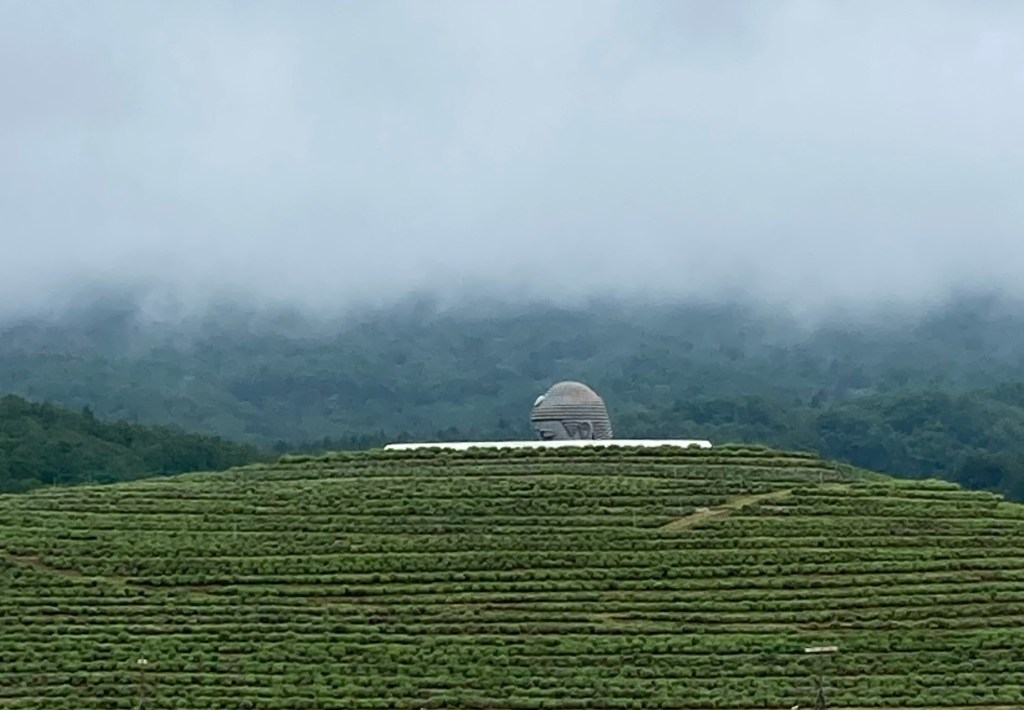
As you walk closer, the true brilliance of the design begins to reveal itself. The site was created by the renowned Japanese architect Tadao Ando, who is famous for his minimalist use of concrete, light, and natural space to evoke reflection and calm. Rather than placing the Buddha statue on a pedestal in the traditional sense, Ando chose to embed it within the landscape. Visitors approach the statue by entering a tunnel cut through the hill. This transition, from open sky to enclosed passage, feels almost symbolic, encouraging a quiet mental shift as you move from the outside world into a more introspective space.
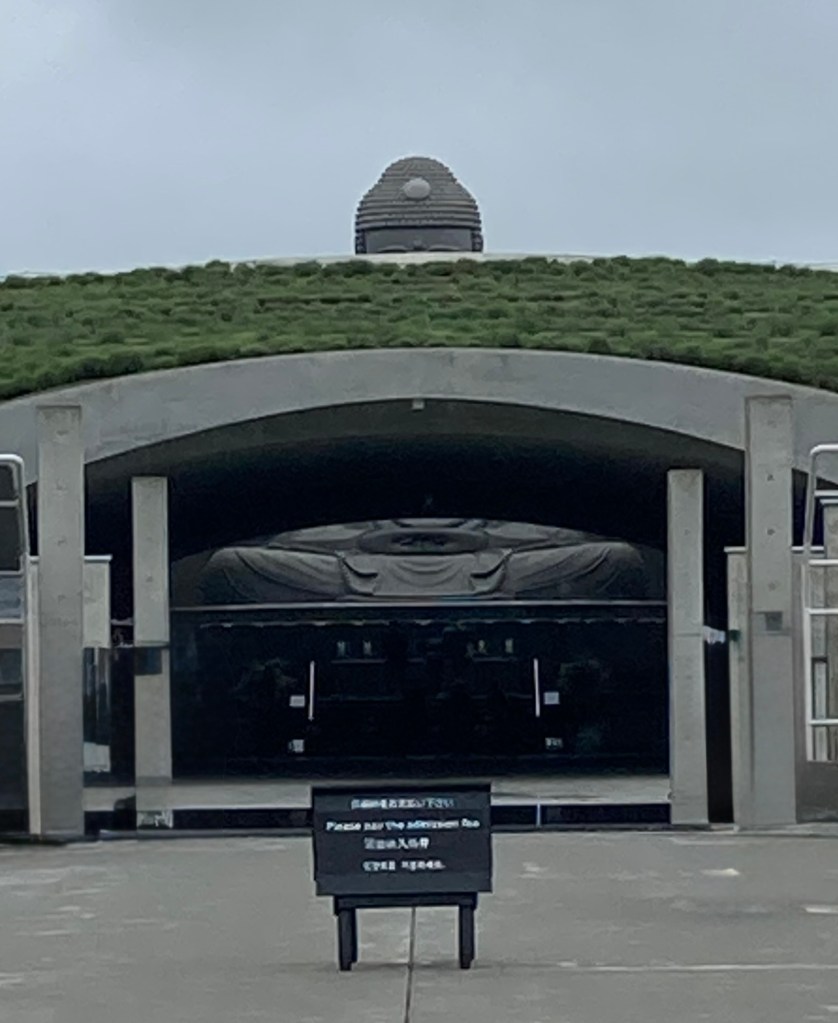
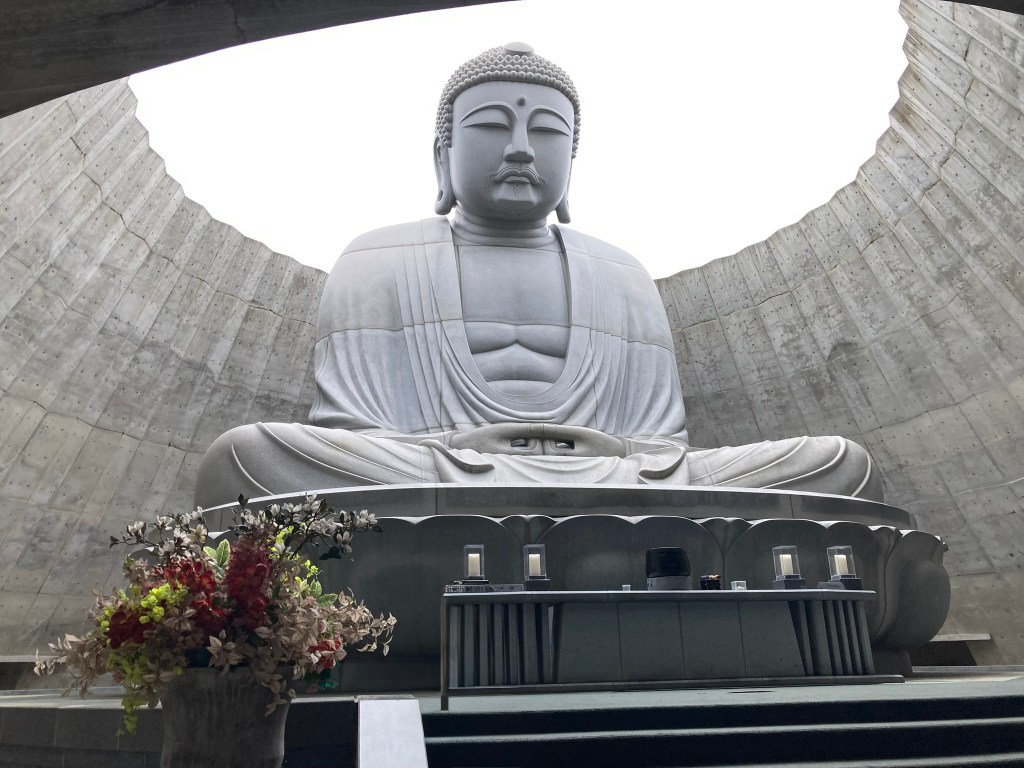
Emerging from the tunnel, you find yourself in an open circular courtyard at the centre of the hill, where the full statue of the Buddha finally comes into view. The statue itself stands at approximately 13.5 metres tall and represents the Amida Buddha, a figure deeply associated in Japanese Buddhism with compassion and the promise of peace in the afterlife. The way the Buddha is revealed, gradually and with intention, creates a powerful sense of serenity and reverence.
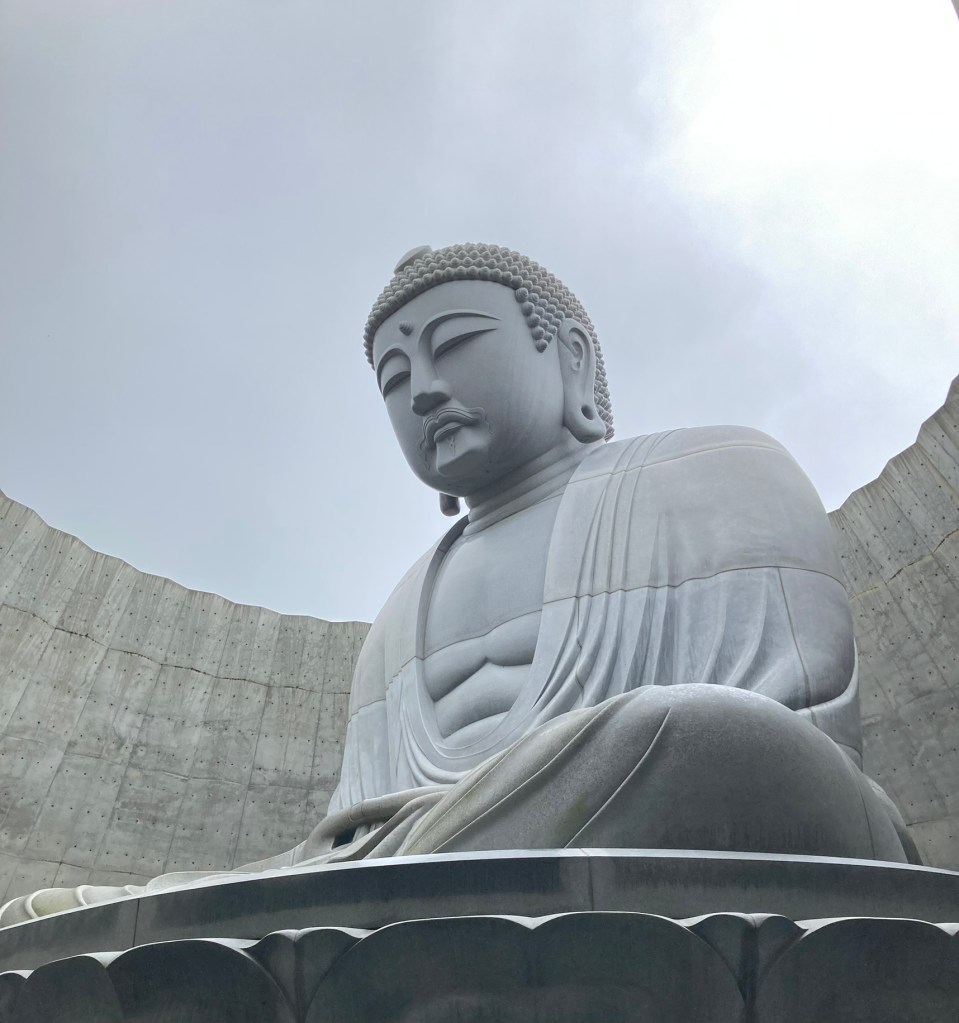
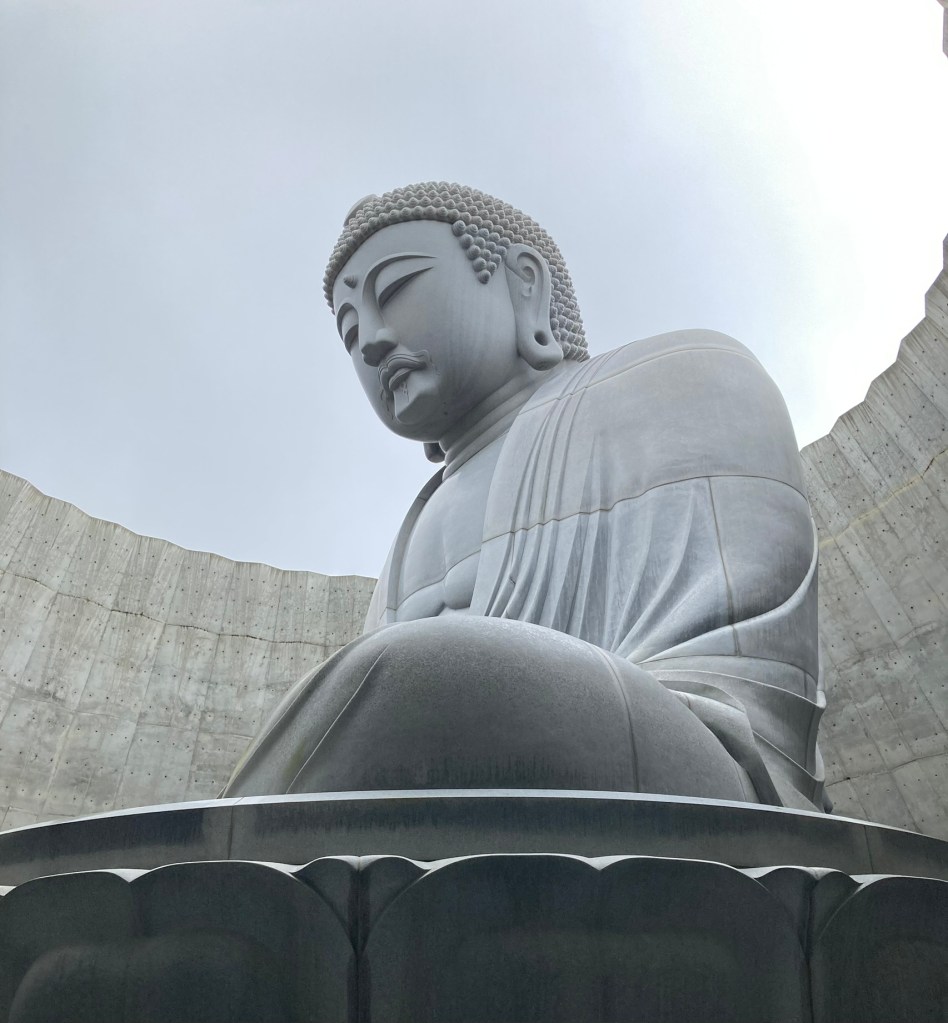
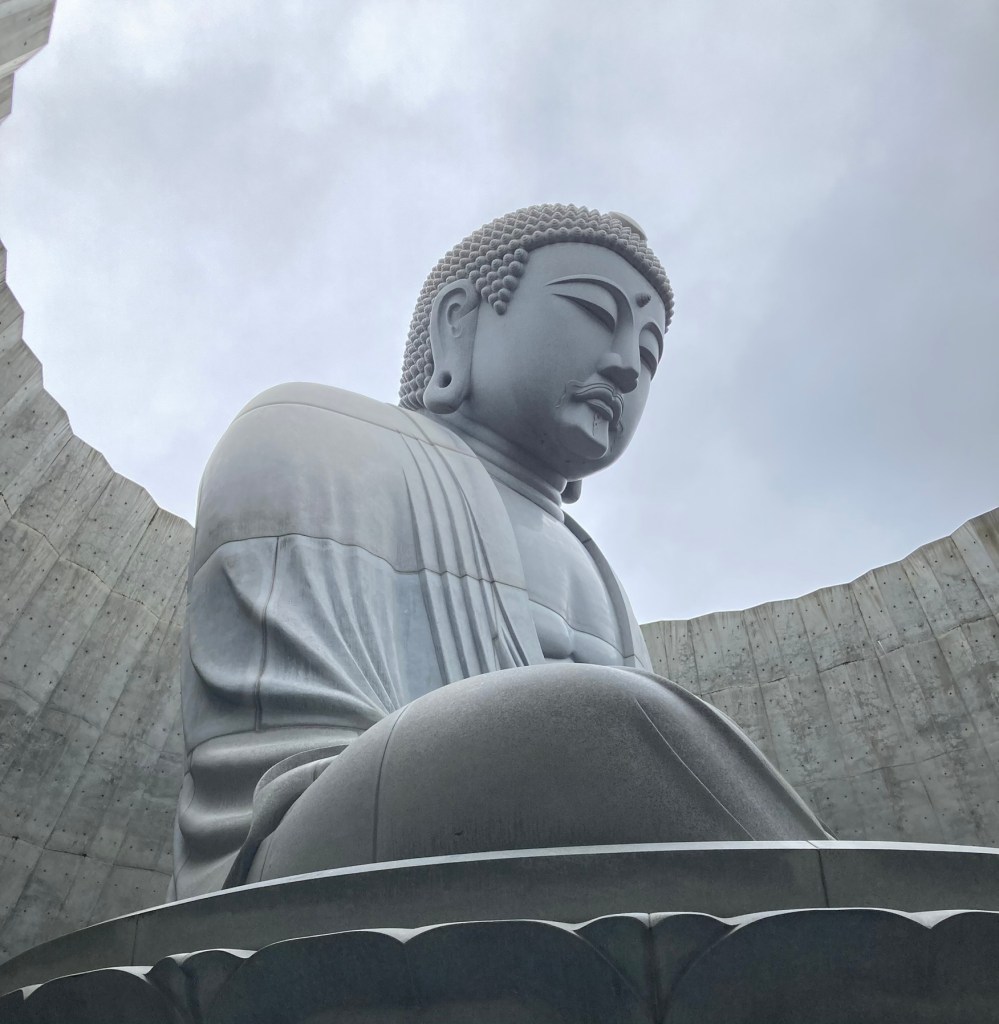
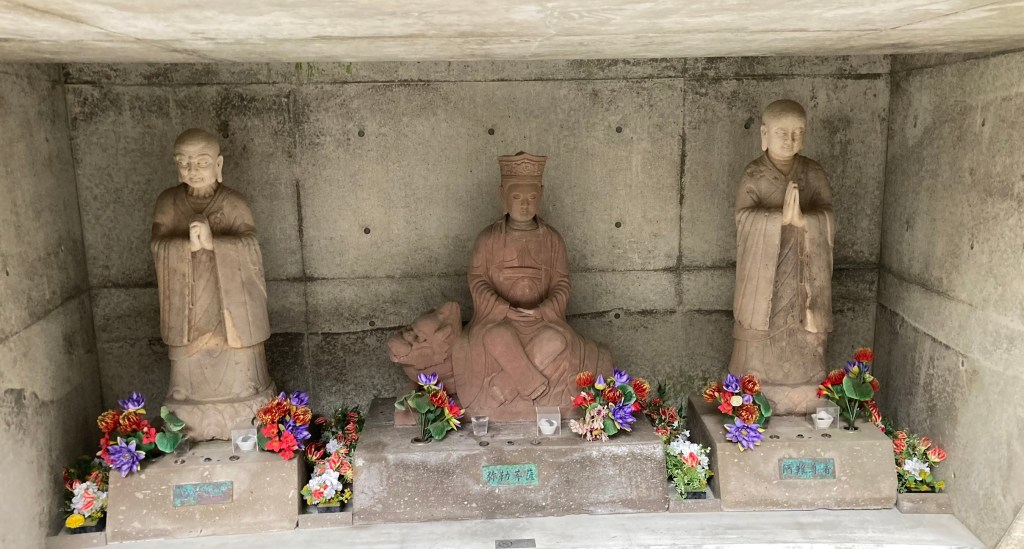
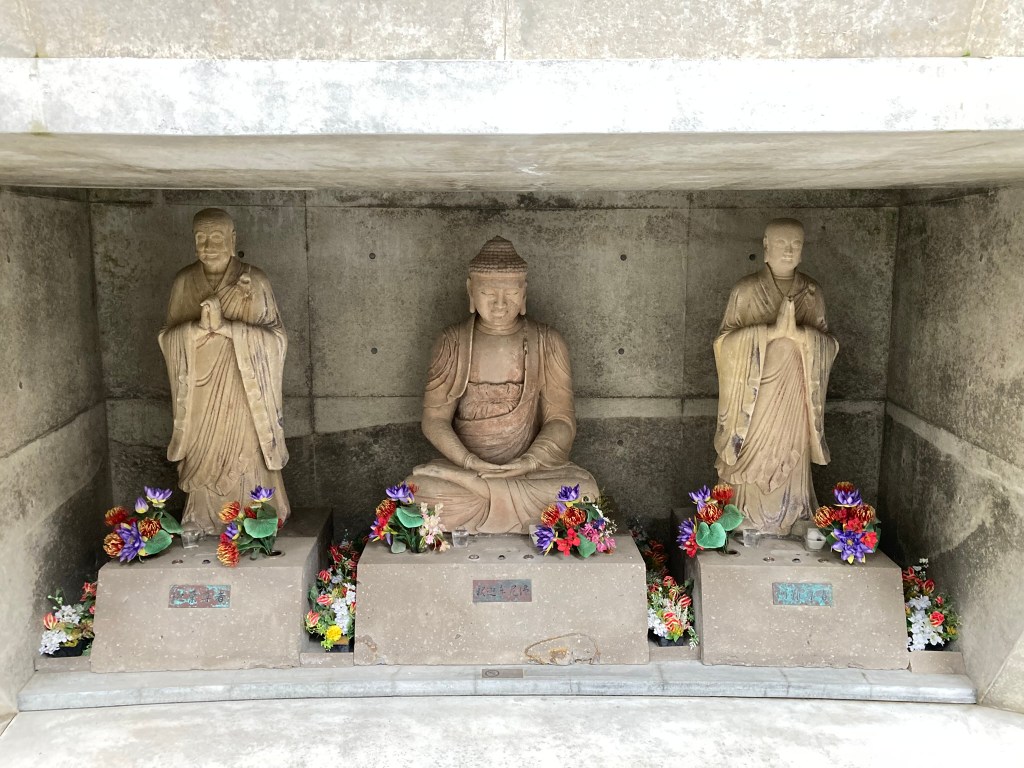
The cemetery surrounding the Hill of the Buddha is also significant. Unlike many Western cemeteries, which can feel sombre or even oppressive, Japanese cemeteries are often designed as peaceful spaces for reflection and ongoing connection with ancestors. Families visit regularly, maintaining graves, offering incense, and paying their respects. At Makomanai Takino Cemetery, this sense of continuity between the living and the departed is beautifully integrated into the landscape. The grounds are expansive, dotted with memorials, statues, and carefully arranged plots, all set against the natural beauty of Hokkaido’s rolling terrain.
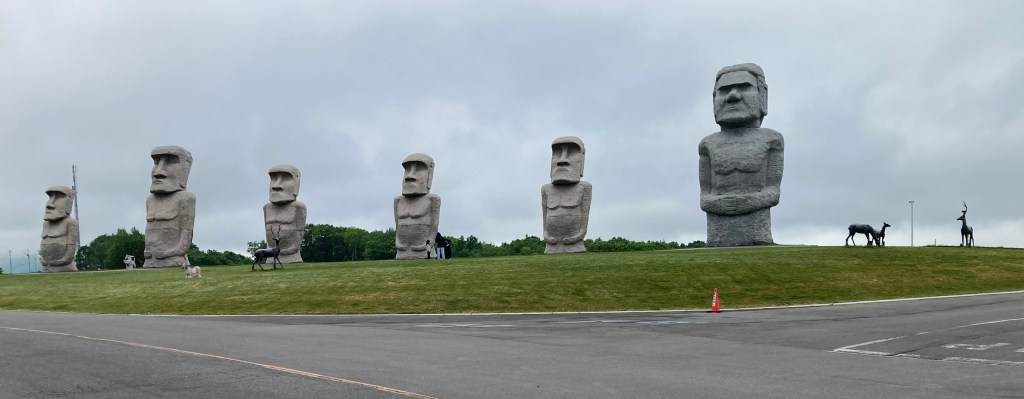
Beyond the Hill of the Buddha, the cemetery is also home to other striking features, including large stone Moai statues reminiscent of Easter Island and replicas of ancient structures, creating a somewhat unexpected blend of global influences. This mix reflects a broader modern approach in some Japanese memorial parks, where traditional beliefs coexist with contemporary artistic expression.
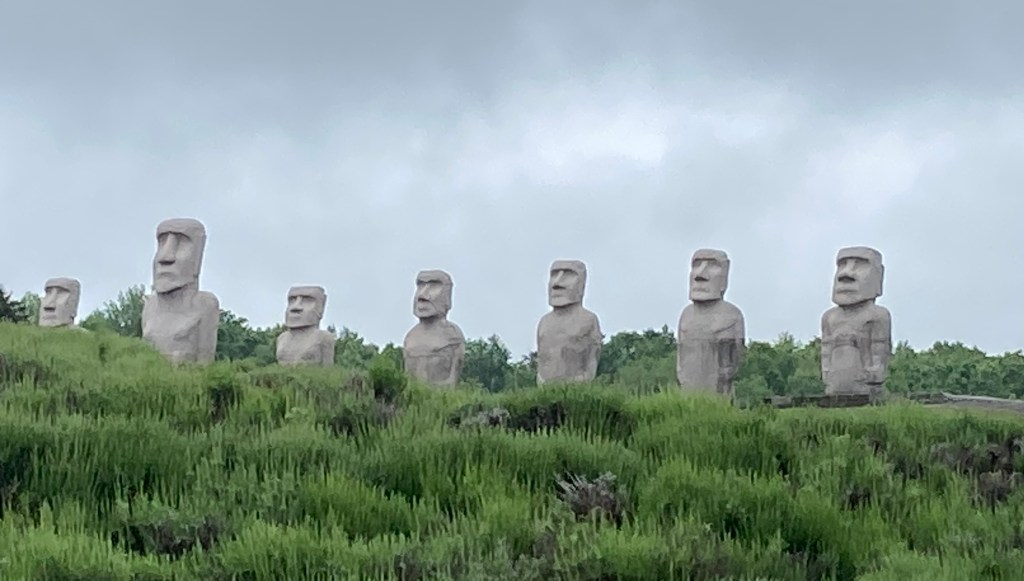
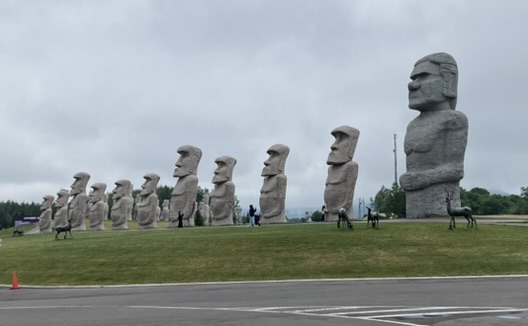
The Hill of the Buddha itself holds a special cultural significance. It represents the blending of modern architecture with deeply rooted spiritual traditions, showing how Japan continues to reinterpret its heritage in new and meaningful ways. Rather than overwhelming visitors with grandeur, the site invites a quieter, more personal reflection, something that feels very much in tune with Japanese aesthetics and philosophy.
By the time we reached the central courtyard and stood before the Buddha, the light drizzle had softened even further, almost as if the weather itself was respecting the stillness of the place. It was one of those moments where time seemed to pause, and the journey, not just the destination, felt completely worthwhile.
We spent a good amount of time wandering through this part of the grounds, slowly taking it all in, and of course stopping often to capture photos, some of which you’ll see dotted between the paragraphs here. It’s one of those places where every turn feels intentional, almost designed to make you pause and reflect.
Sapporo’s Makomanai Takino Cemetery is far more than just a resting place; it’s a thoughtfully curated landscape where art, spirituality, and nature come together. One of the more unexpected features is a full-scale replica of Stonehenge. Rather than simply being decorative, it was designed as a functional eitaikuyō (perpetual memorial grave), inspired by the theory that the original Stonehenge may have served as a sacred burial site. Set within the cemetery’s vast grounds, the structure adds a striking, almost surreal contrast to the surrounding hills, while reinforcing the site’s theme of remembrance across cultures and time.
Equally memorable are the rows of Moai statues, inspired by the iconic figures of Easter Island. Standing in quiet formation, these large stone statues, often referred to locally as Moai Kannon, symbolise protection, peace, and eternal watchfulness over the departed. Unlike their counterparts in Chile, these Moai are not ancient, but their presence still feels powerful and contemplative. They face outward across the landscape, as if guarding the grounds, and many visitors find them both haunting and beautiful. Their inclusion adds another global cultural layer to the cemetery, reinforcing the idea that remembrance and reverence for those who have passed is something shared across humanity.
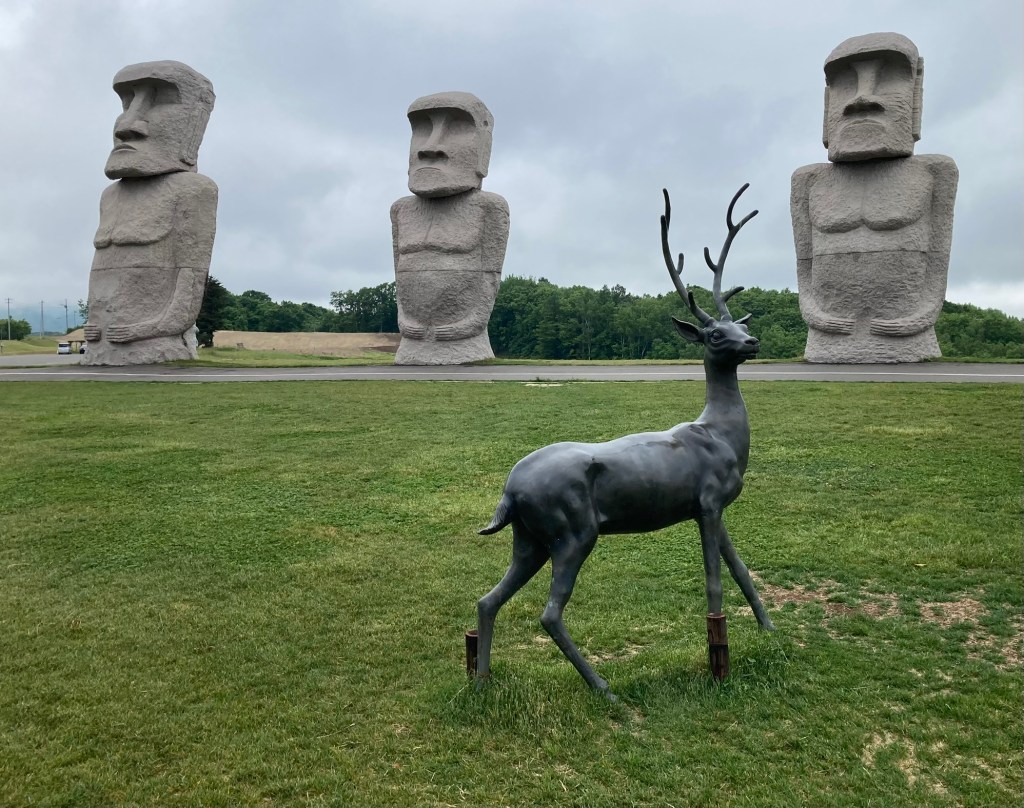
As you explore further, you’ll notice a variety of statues scattered throughout the grounds, each carrying its own meaning. Not far from the Hill of the Buddha stand the imposing Niō guardian figures (also known as Kongōrikishi). These powerful statues act as spiritual protectors, traditionally believed to ward off evil spirits and negative energy, ensuring that only purity and peace enter the sacred space beyond.
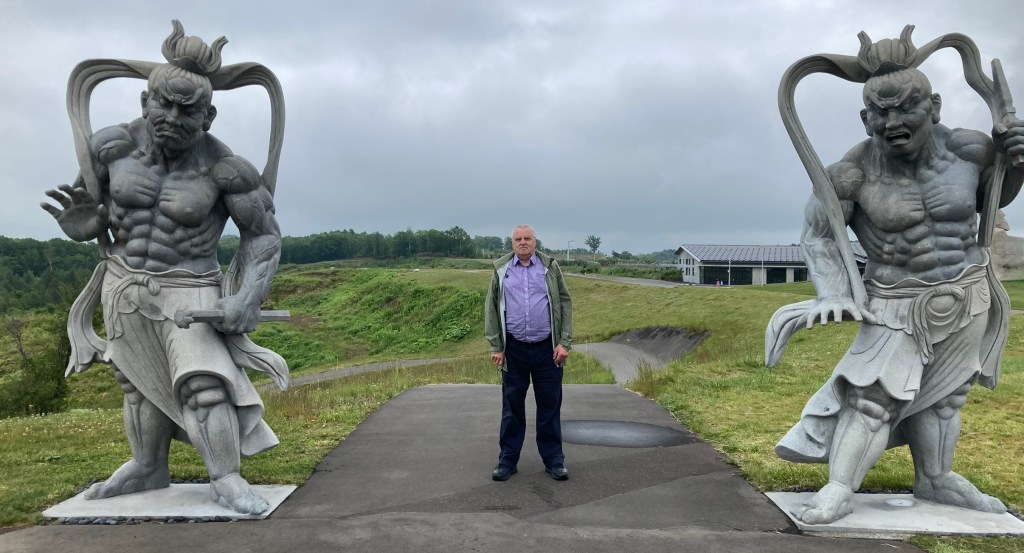
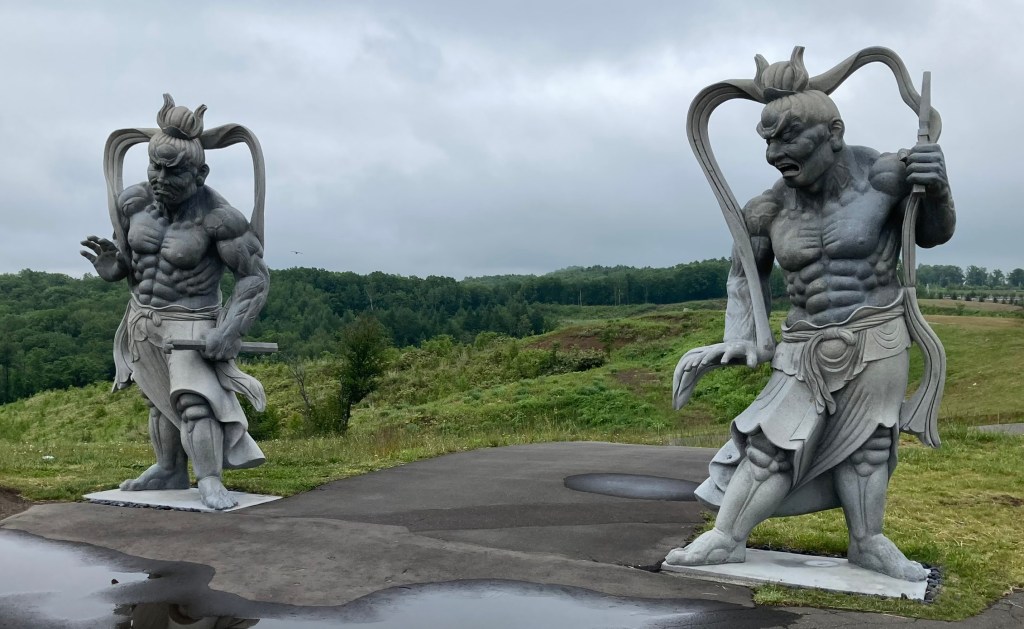
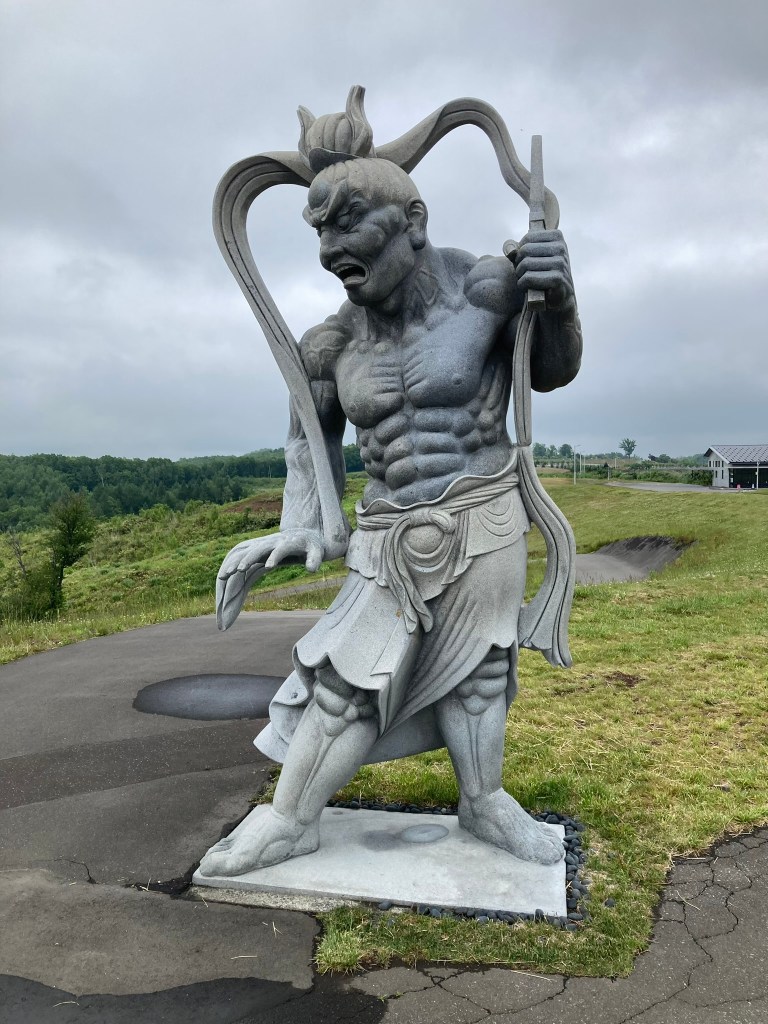
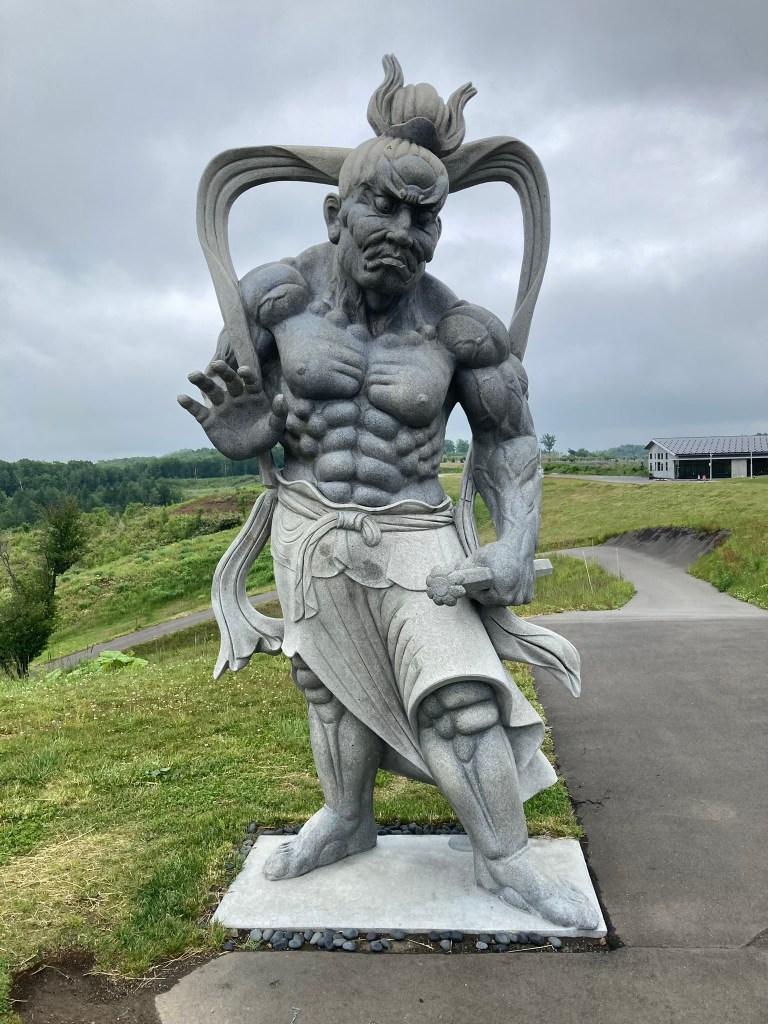
Following the pathway guarded by the Niō guardian figures , you will also encounter rows of smaller stone figures known as Jizō (地蔵) statues. These are among the most deeply revered figures in Japanese Buddhism. Jizō is a Bodhisattva associated with compassion and protection, especially for vulnerable souls. In Japanese tradition, Jizō watches over travellers, expectant mothers, and, most poignantly, the spirits of children who have passed away. You’ll often see these statues adorned with red bibs or hats, a sign of offerings left by families. According to belief, Jizō shelters children’s spirits from harm and gently guides them through difficult transitions, offering comfort in both life and death.
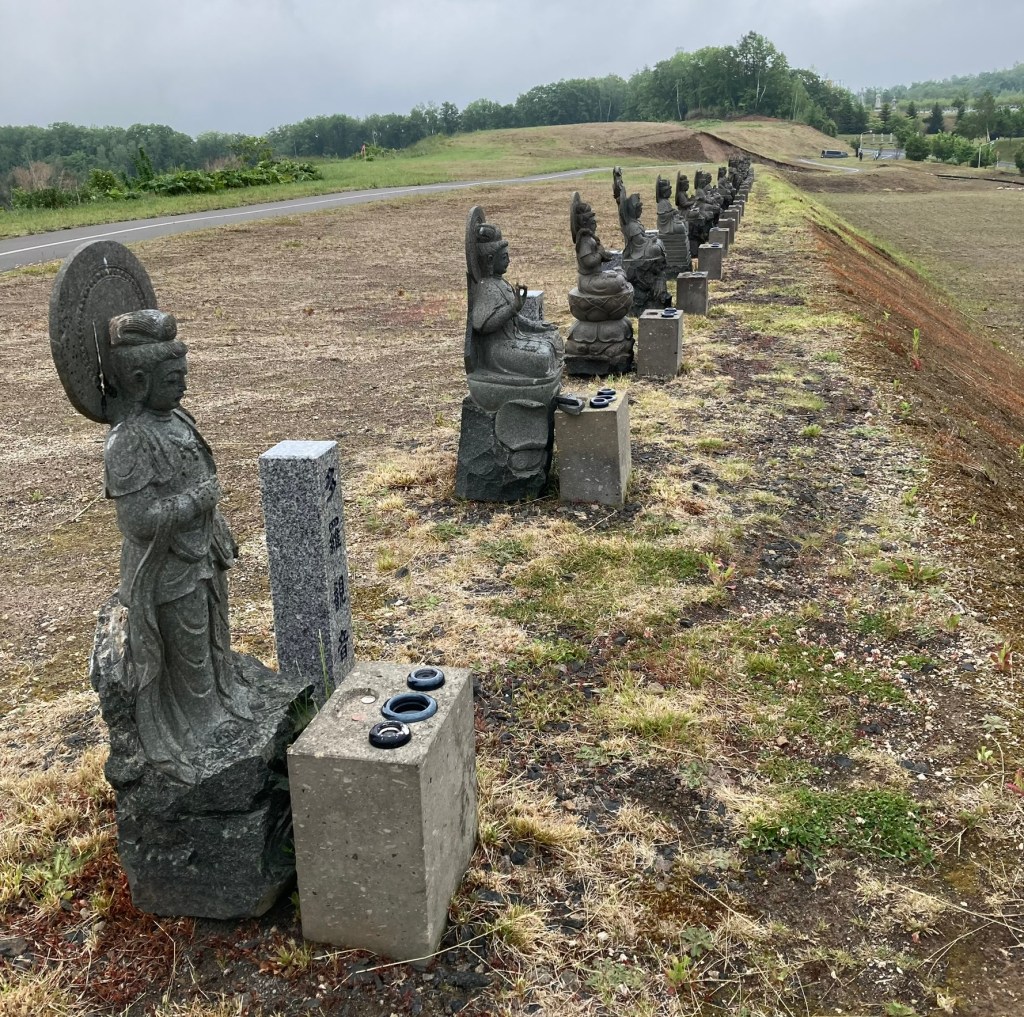
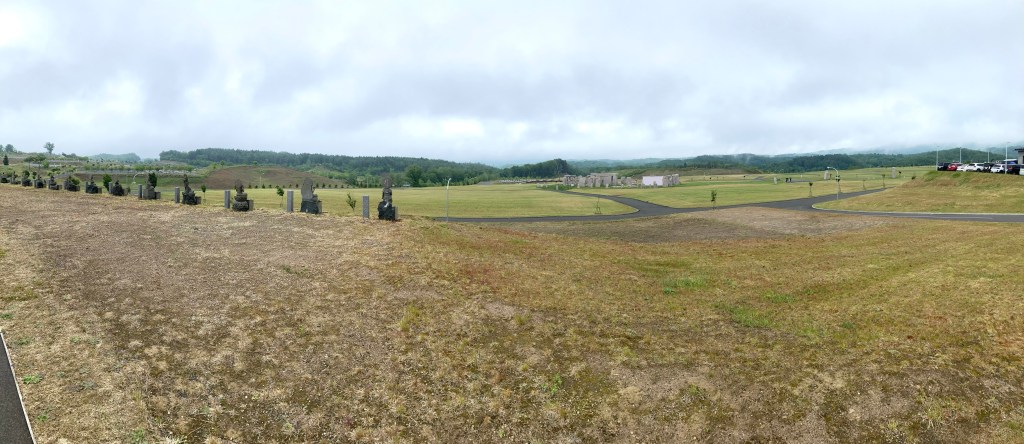
Visiting Makomanai Takino Cemetery isn’t just about seeing its famous landmarks, it’s about slowing down and experiencing the quiet symbolism woven into every detail. Whether you come for the architecture, the photography, or the cultural insight, it’s a place that leaves a lasting impression long after you’ve left the grounds.
After a few hours of exploring, we stopped by the café for a quick coffee. Unfortunately, the coffee was a letdown, so much so that I couldn’t manage more than a sip. While I can’t recommend it, the food options did look decent, though we weren’t hungry enough to try anything ourselves.
We then caught the next bus and retraced our route back. Our original plan had been to visit the waterfall and gardens just beyond the Hill of the Buddha, but an unexpected rain shower hit while we waited. Since Takino Suzuran Hillside National Park is best enjoyed in good weather, we decided to postpone this part of the trip. Saving it for a clearer day means we can fully appreciate the rolling landscapes of the Central and Country Gardens, wander the trails of the mountain stream area, and take in Masumi, Shiraho, and the impressive 26-meter Ashiribetsu Falls at our own pace.
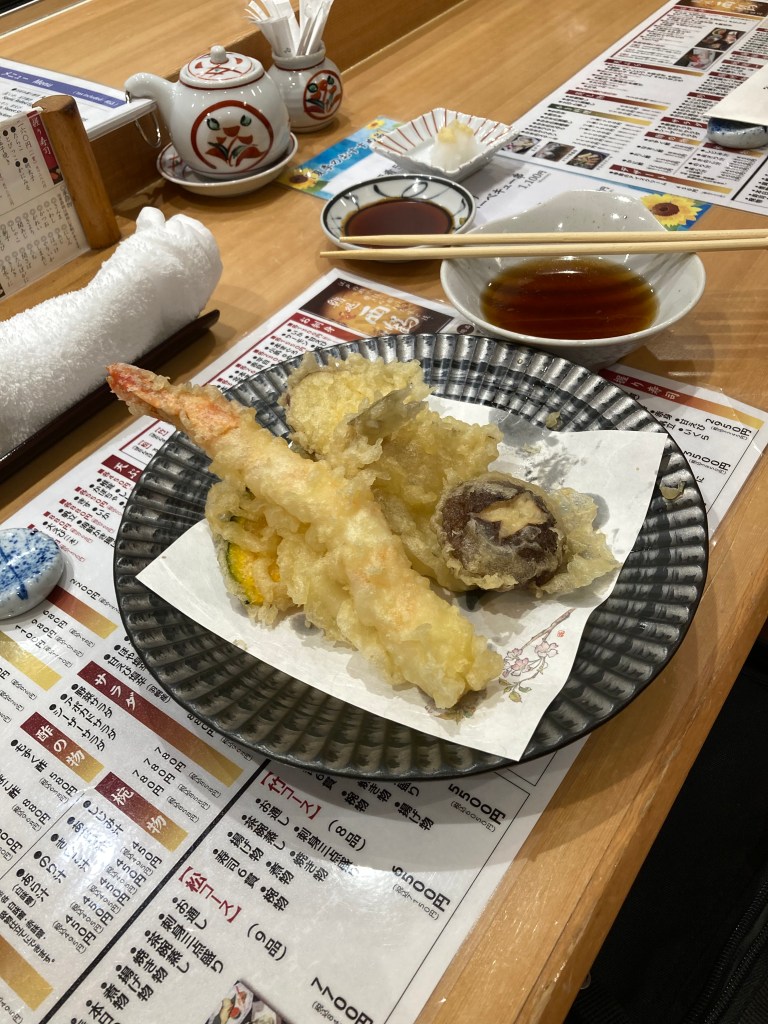
Tonight we went back to our sushi restaurant for dinner. Neither one of us was overly hungry so a shared sushi plate and a tempura serve each was the best option tonight.
Wednesday 10 June 2026
Maree wasn’t feeling well today, as she’s come down with a bit of a cold, so we decided to take it easy and spend the day resting quietly. It ended up being a slow, calm day focused on giving her time to recover.
Thursday 11 June 2026
Maree was feeling much better this morning so after breakfast we decided to to go to Odori park to see the YOSAKOI Soran Festival, which runs over five days and takes over much of central Sapporo.
The YOSAKOI Soran Festival in Sapporo unfolds across several key events, each bringing a slightly different atmosphere to the city. At its heart are the main stage performances in Odori Park, especially around the Nishi 8-chome area, where teams deliver their most polished, high-energy routines. These shows highlight the creativity of each group, combining traditional elements like naruko clappers with modern music and choreography.
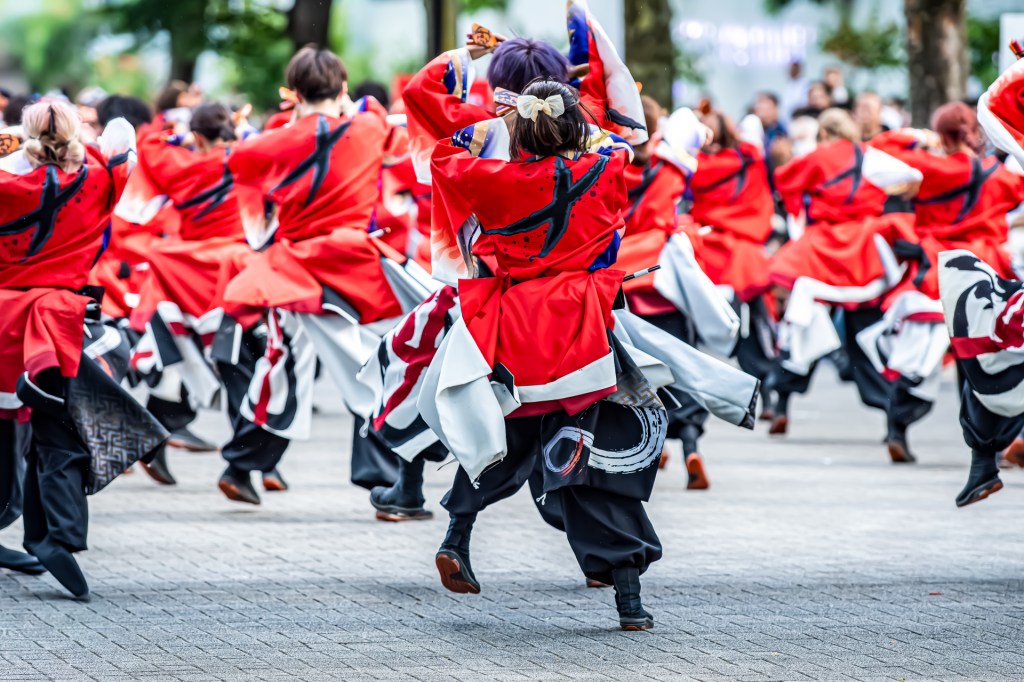
Another central feature is the Odori Parade, where dance teams move along designated streets in formation. These parades feel more dynamic and immersive, with performers passing by at close range, often accompanied by decorated floats carrying music and banners.
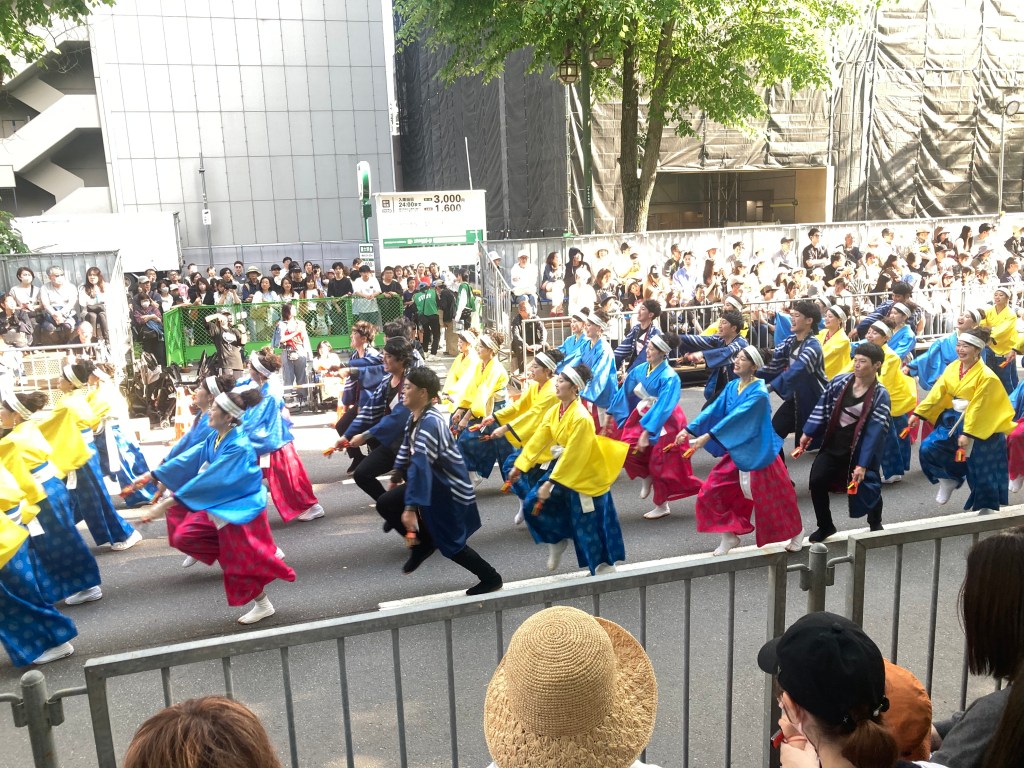
Around the park, you’ll also find smaller stages and side venues hosting continuous performances throughout the day. Each location has its own vibe, some focus on large, synchronized team routines, while others showcase more experimental or regional styles. It’s this variety that makes wandering between venues such an important part of the experience.
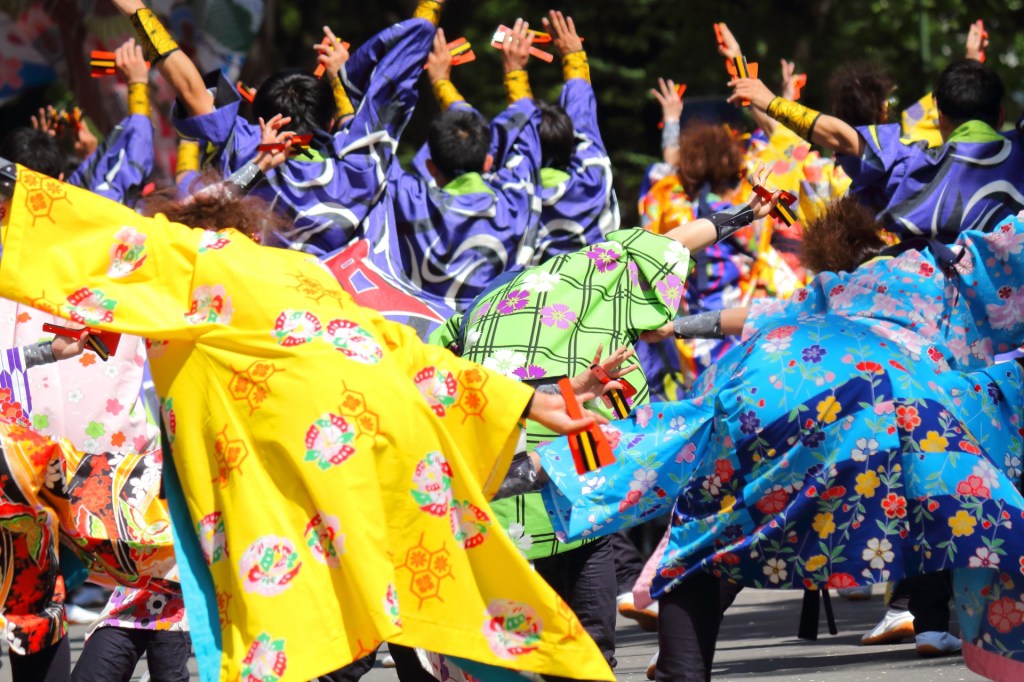
One of the most approachable parts of the festival is Wa-Odori Square, an interactive space where spectators are encouraged to join in the dancing. It lowers the barrier between performers and audience, turning the festival into a shared experience rather than just something to watch.
The event builds toward its finale, a competitive closing stage where top teams perform again in front of large crowds. This final showcase brings together the best of the week’s performances and adds a sense of excitement and culmination to the festival.
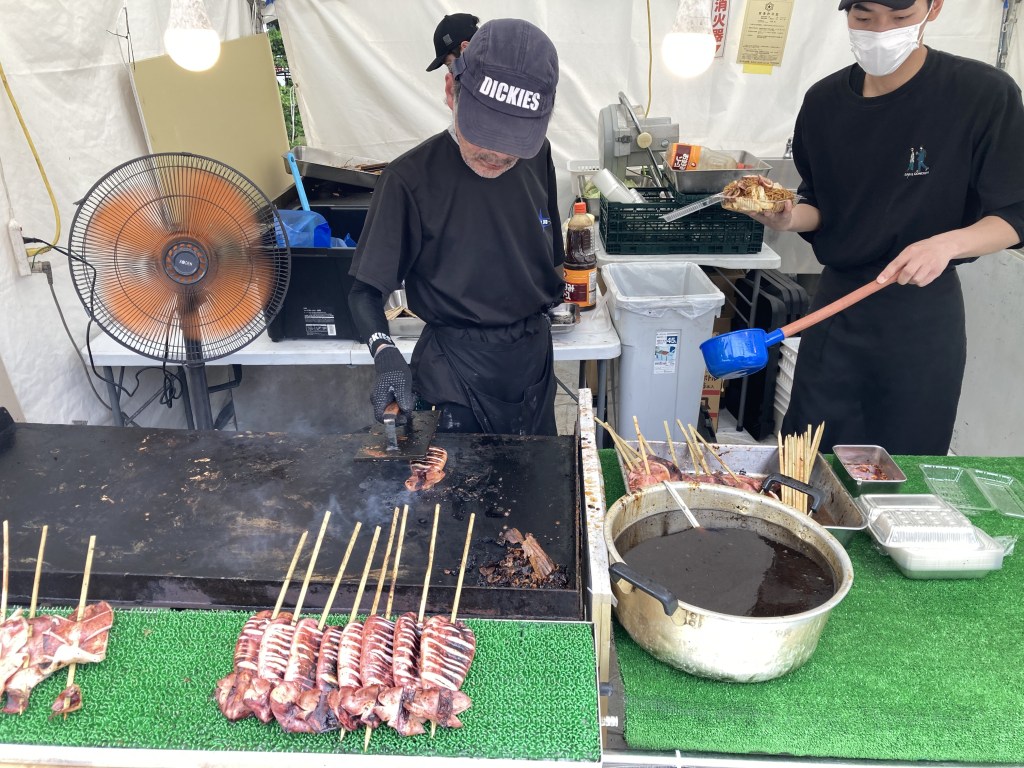
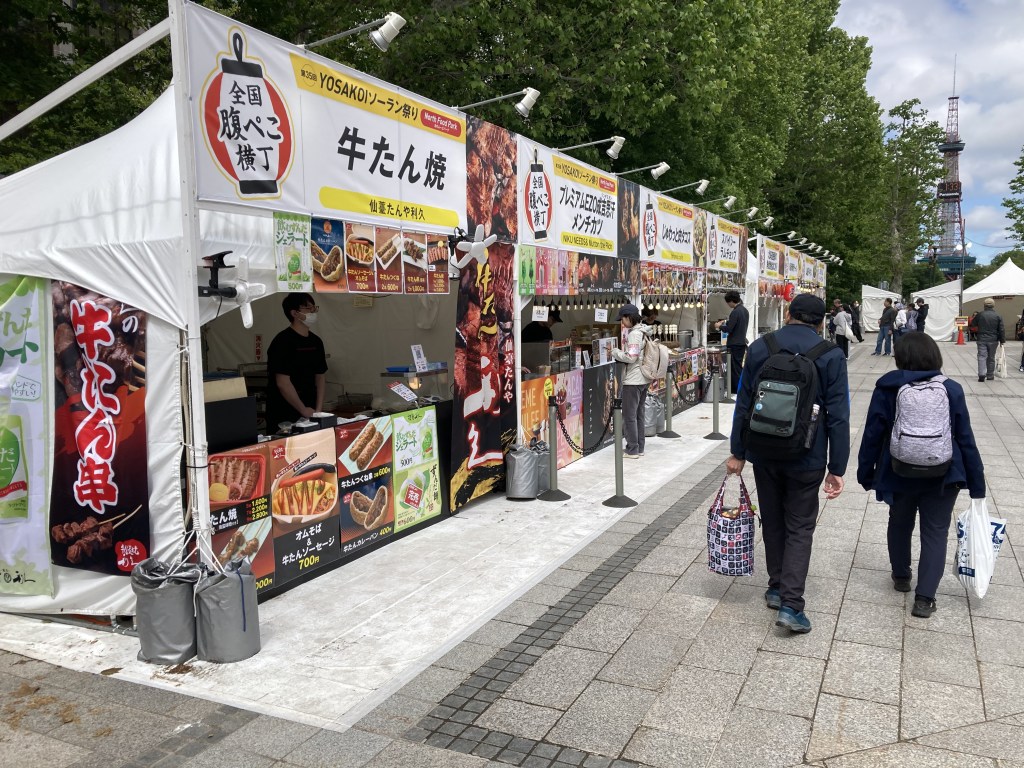
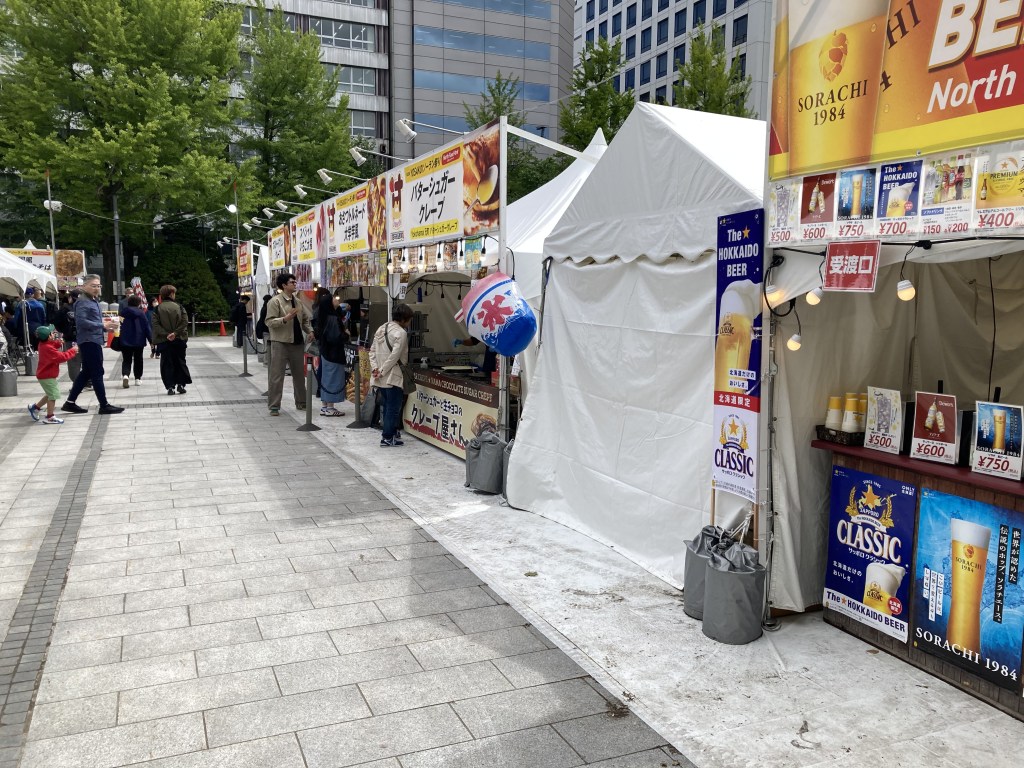
Altogether, the YOSAKOI Soran Festival isn’t just one event, but a series of interconnected performances and experiences spread across the city, all centered around movement, music, and participation.
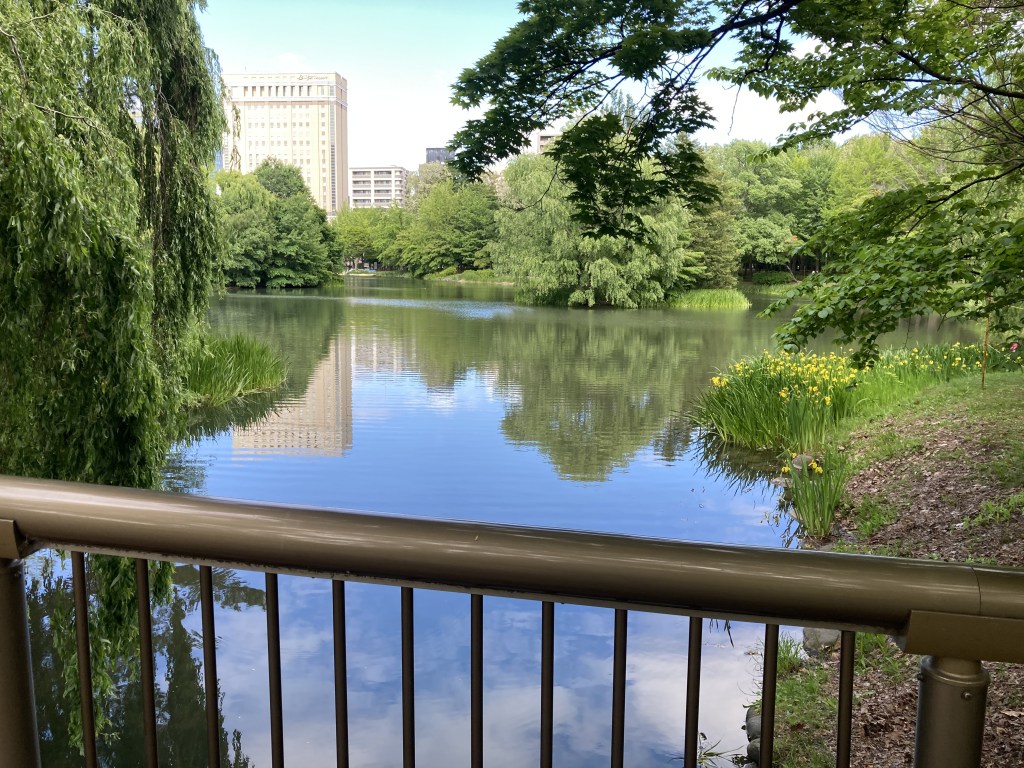
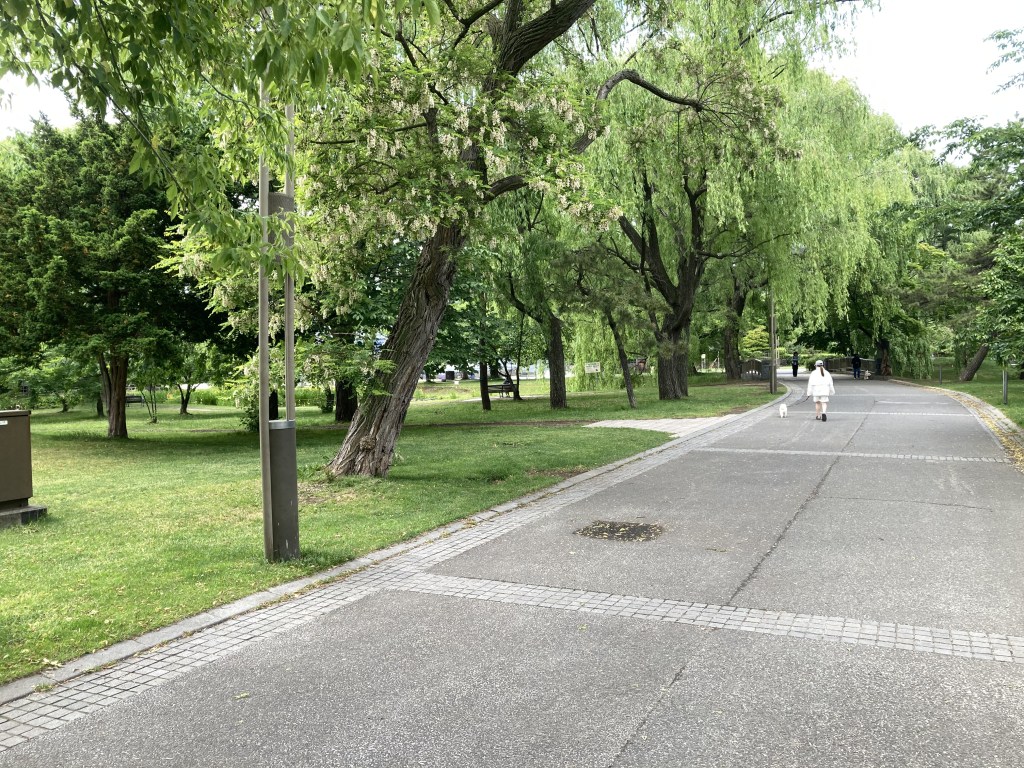
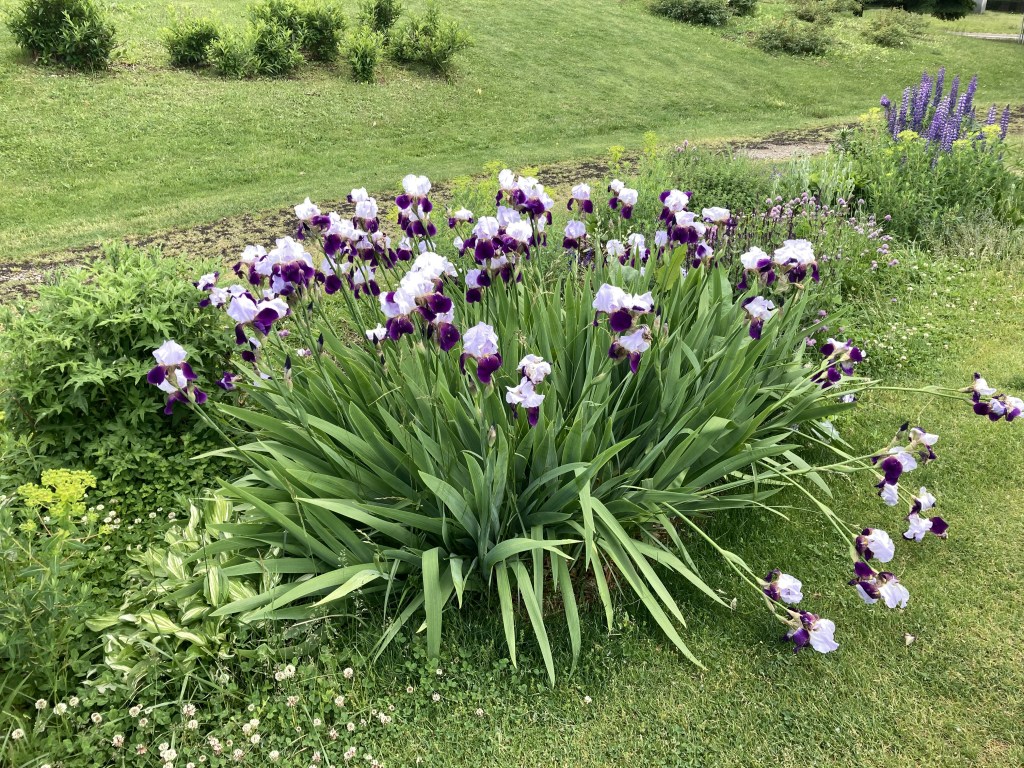
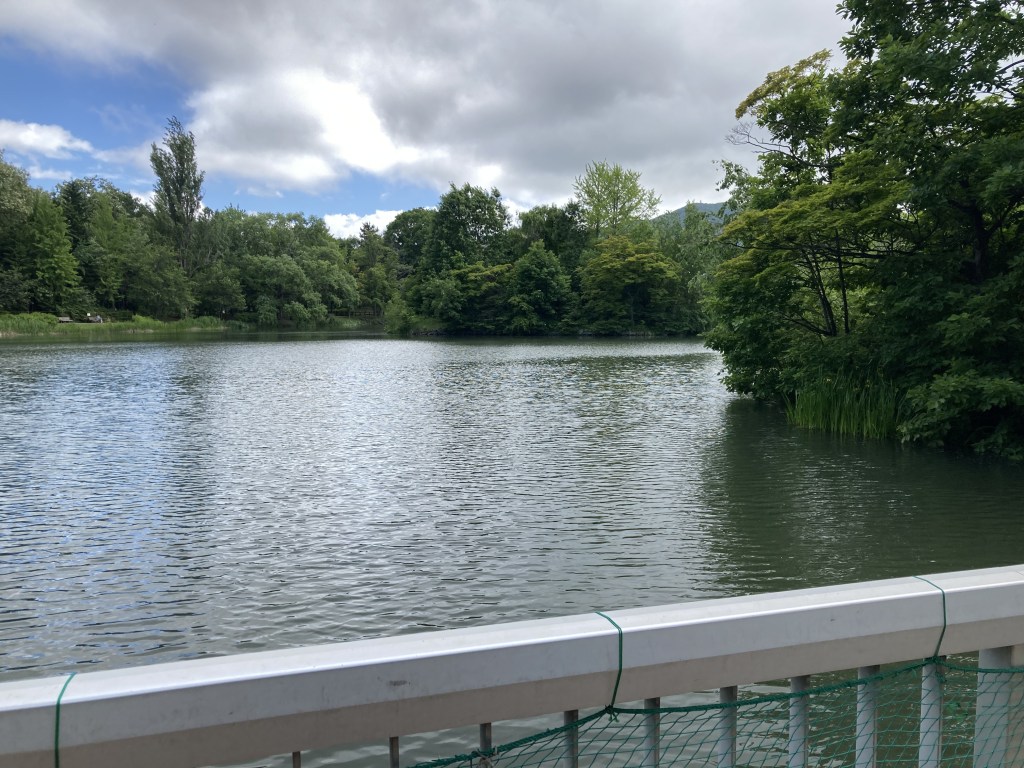
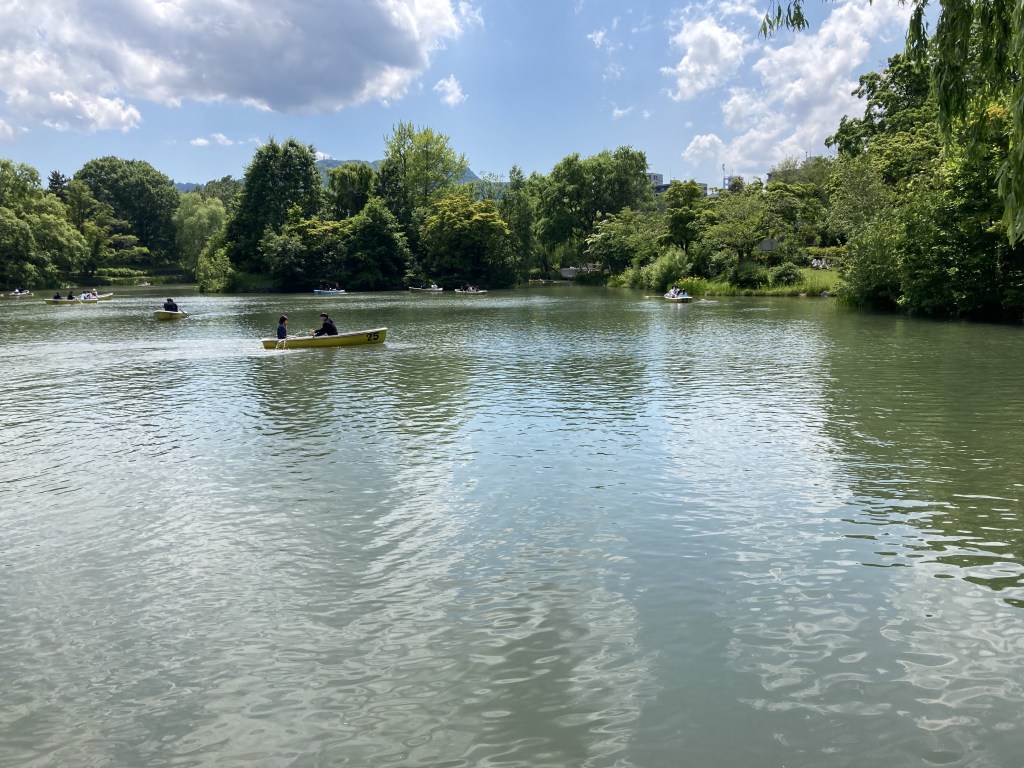
After taking in some of the spectacle here in Odori Park, we decided to head off to Nakajima Koen, where another major event, the Hokkaido Shrine Festival, often simply called the Sapporo Festival, will be held from June 14 to 16. This festival has been running for over a century and is one of the city’s most important traditional celebrations. The festival setup hasn’t begun yet, so these photos capture the park in its quieter, pre-event state. We’ll be returning over the weekend to experience the festival in full swing and share how it transforms.
Unlike the modern, high-energy feel of YOSAKOI, the Sapporo Festival is rooted in Shinto tradition. At its core is the idea of honouring the kami, or deities, of Hokkaido Shrine and bringing blessings to the city. The highlight is the grand Mikoshi Togyo procession on the final day, when portable shrines carrying these deities are paraded through Sapporo’s streets. These Mikoshi are treated as temporary homes for the gods and moving them through the city is a way of bestowing protection, good fortune, and purification upon the community.
The parade itself is strikingly different from YOSAKOI. More than a thousand participants dress in elaborate historical costumes inspired by the Heian period, along with samurai armour and other traditional attire, creating the sense of a living historical pageant moving through the modern city. Large floats accompany the procession, along with music from drums and flutes, turning the event into both a religious ritual and a cultural spectacle.
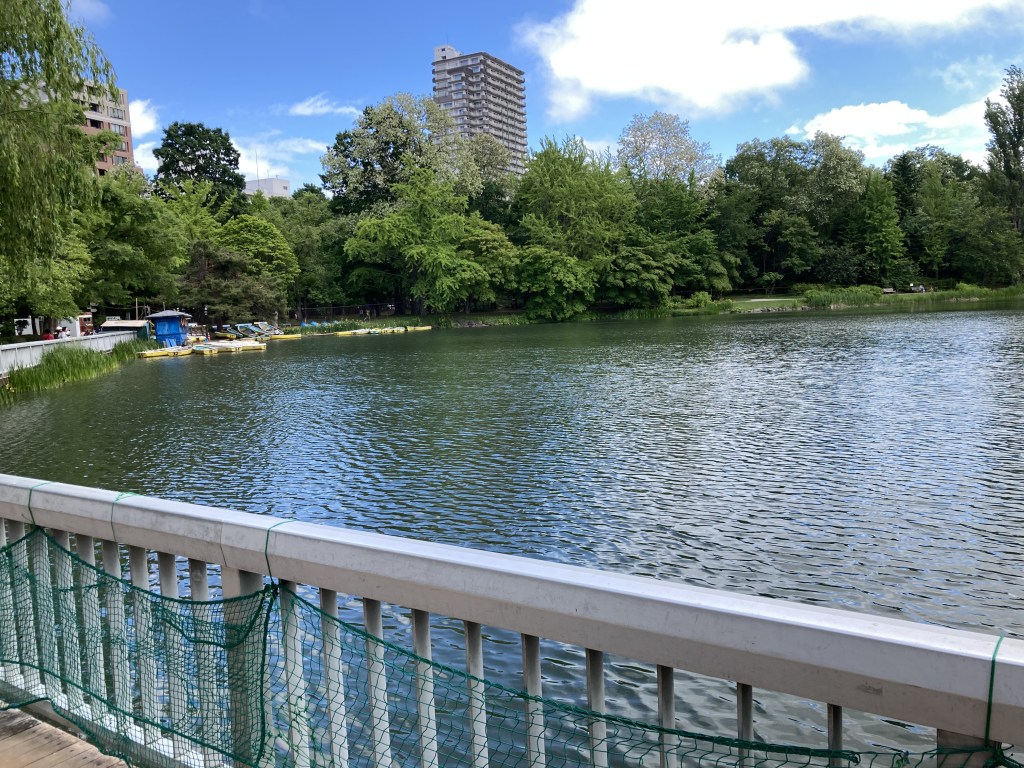
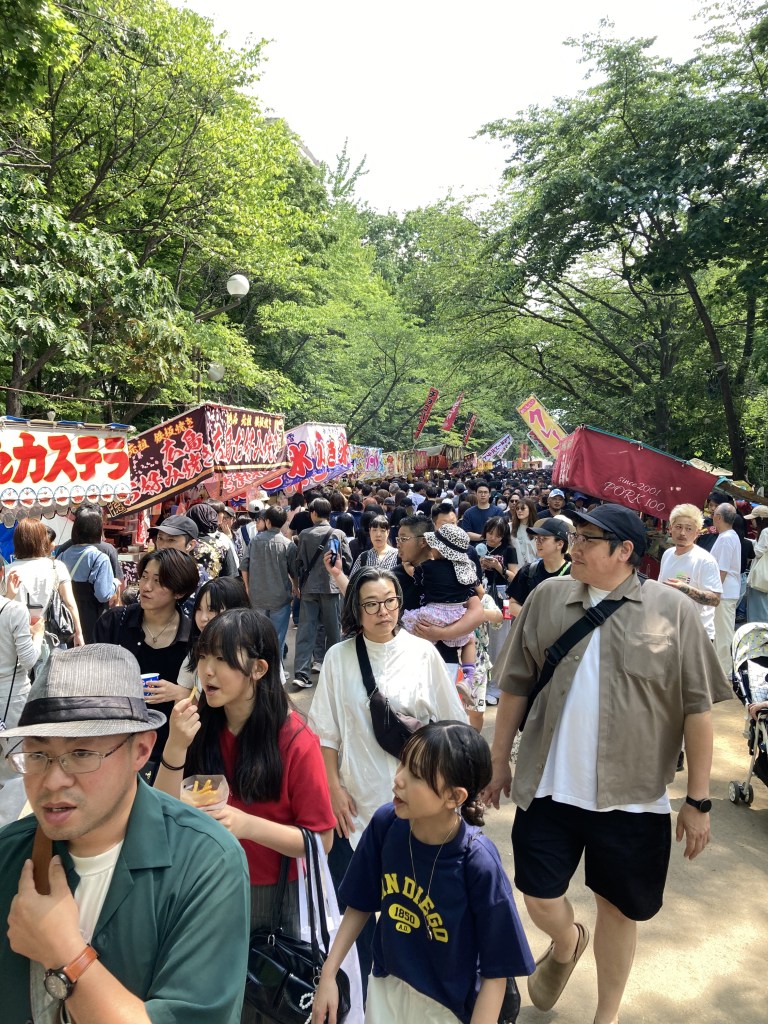
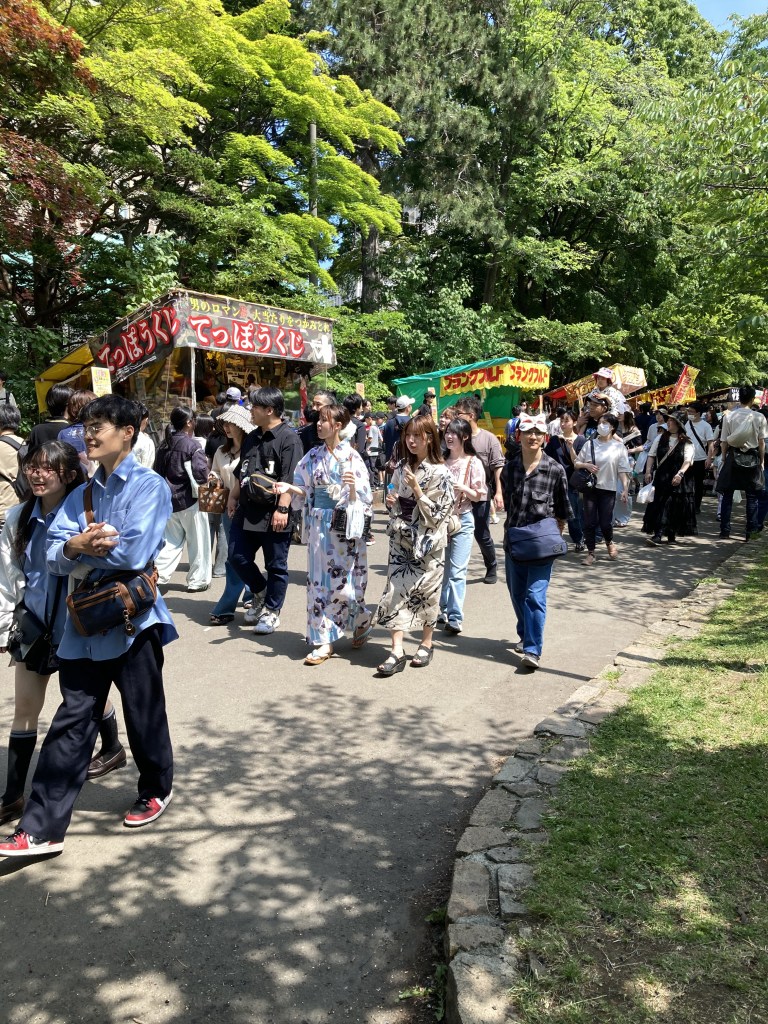
Meanwhile, Nakajima Park becomes the festival’s lively social hub. During these three days, the park fills with rows of food stalls, games, and small attractions, creating a classic matsuri atmosphere that draws crowds throughout the day and into the evening. It’s a more relaxed, community focused side of the celebration, where families, friends, and visitors gather to eat, wander, and enjoy the festive mood.
Tonight, we went to a Japanese beer hall and enjoyed a delicious serving of pork katsu with rice.
Friday 12 June 2026
Today was raining so we spent the day shopping the various locations in Sapporo.
Saturday 13 June 2026
Today we visited the first of the two main days of the five day Yosakoi Soren Festival. We have bought tickets for the seating along Odori Park so we get a first rate view of all the dancers as they pass by performing for the crowd and, of course, the judges who make their final decision tomorrow, Sunday.
The air in Sapporo today didn’t just carry the scent of street food and early summer; it practically vibrated. Standing on the crowded curbs of Odori Park, we didn’t just watch the Yosakoi Soran Festival, we felt it in our chest cavities. Imagine thirty thousand dancers reclaiming the asphalt, turning the grid-lined city into a living, breathing canvas of flying silk, thundering percussion, and raw, infectious joy.
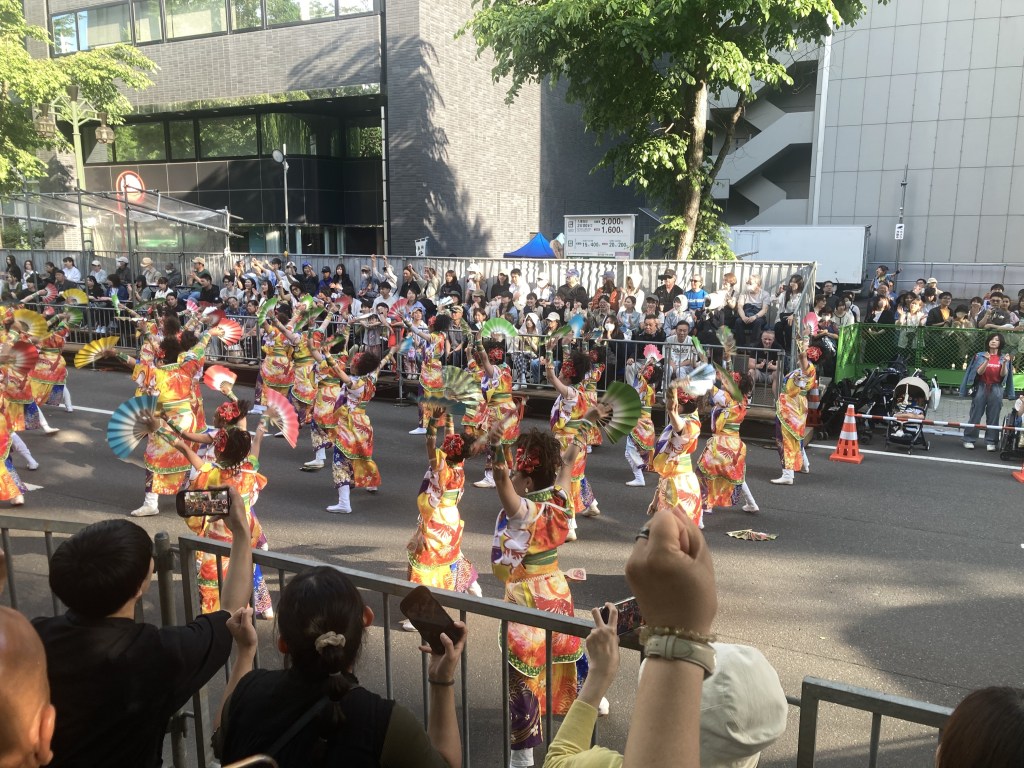
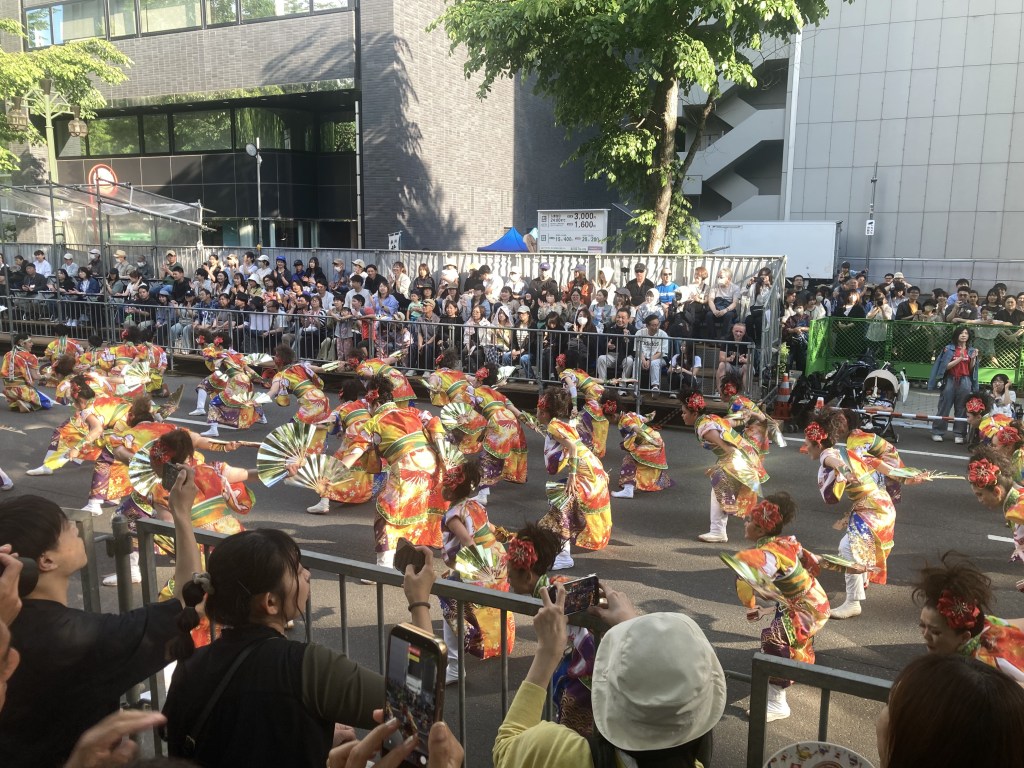
Click on the following link to see a video of this group https://youtu.be/S7plateeSeM
At its heart, Yosakoi Soran is a beautiful contradiction: a fierce collision between ancient folklore and modern street culture. Every performance is bound by a single rule—dancers must use naruko (wooden clappers that fill the air with a sharp, hypnotic clack-clack-clack) and their music must incorporate fragments of Soran Bushi, Hokkaido’s traditional maritime sea shanty. But how the teams interpret that blueprint is where the magic happens.
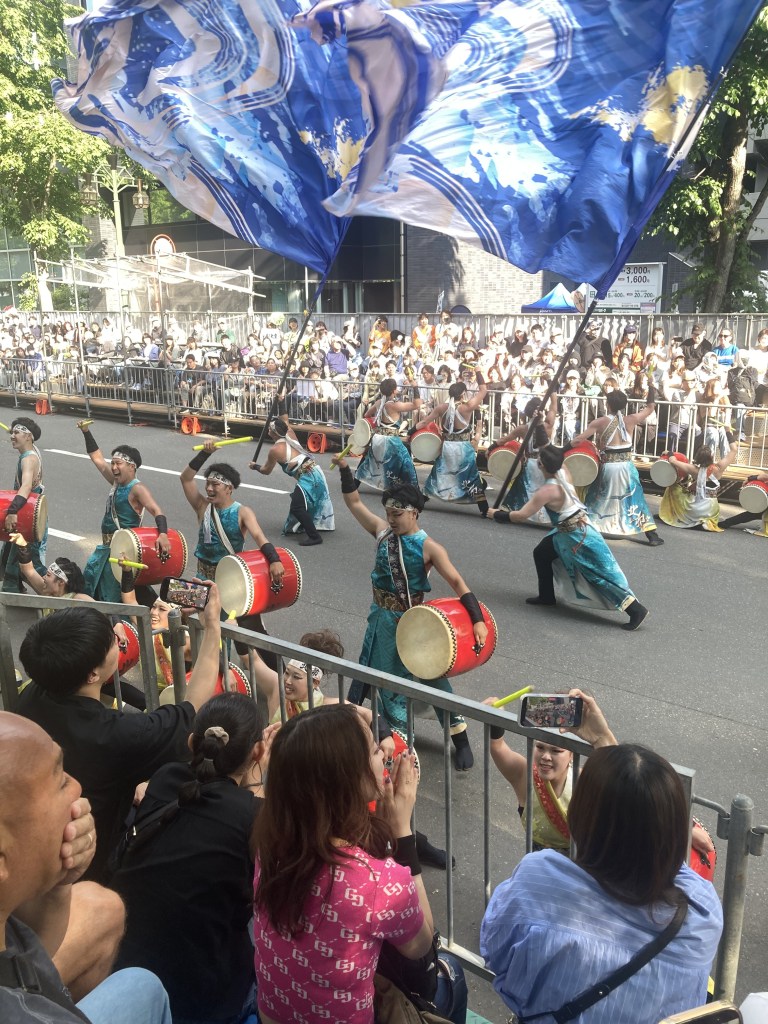
On one side of the avenue, the traditional powerhouses channel the rugged spirit of the northern sea. Their soundtracks are a primal storm of massive taiko drums and piercing bamboo flutes. The choreography tells a story as old as the island itself: dancers move in giant, synchronized waves, mimicking the straining muscles of fishermen throwing ropes and hauling heavy nets against a rising tide. Just when you think you’ve caught the rhythm, the music swells, the dancers pull a hidden cord, and their ocean-blue robes instantly flip inside out to reveal brilliant, fiery golds and crimsons. It’s theater, storytelling, and athletics rolled into one breathtaking second.
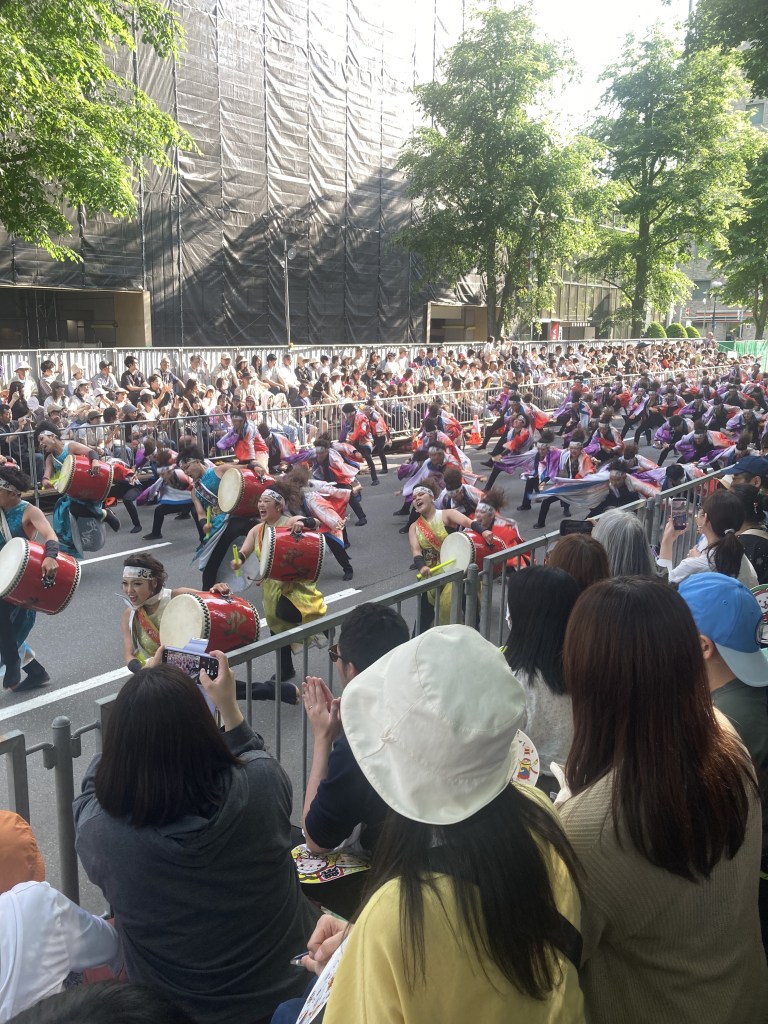
Step down to the next block, however, and the festival transforms into an open-air rave. The younger, experimental crews treat the traditional sea shanties like a vocal sample for a high-octane remix. Traditional chants suddenly drop into heavy electronic basslines, aggressive rock guitars, and hip-hop beats. Their movements are hyper-fast, blending urban street dance with cinematic storytelling. Instead of just fans, they weaponize massive, towering flags that slice through the air, framed by smoke machines and a level of synchronization that seems humanly impossible.
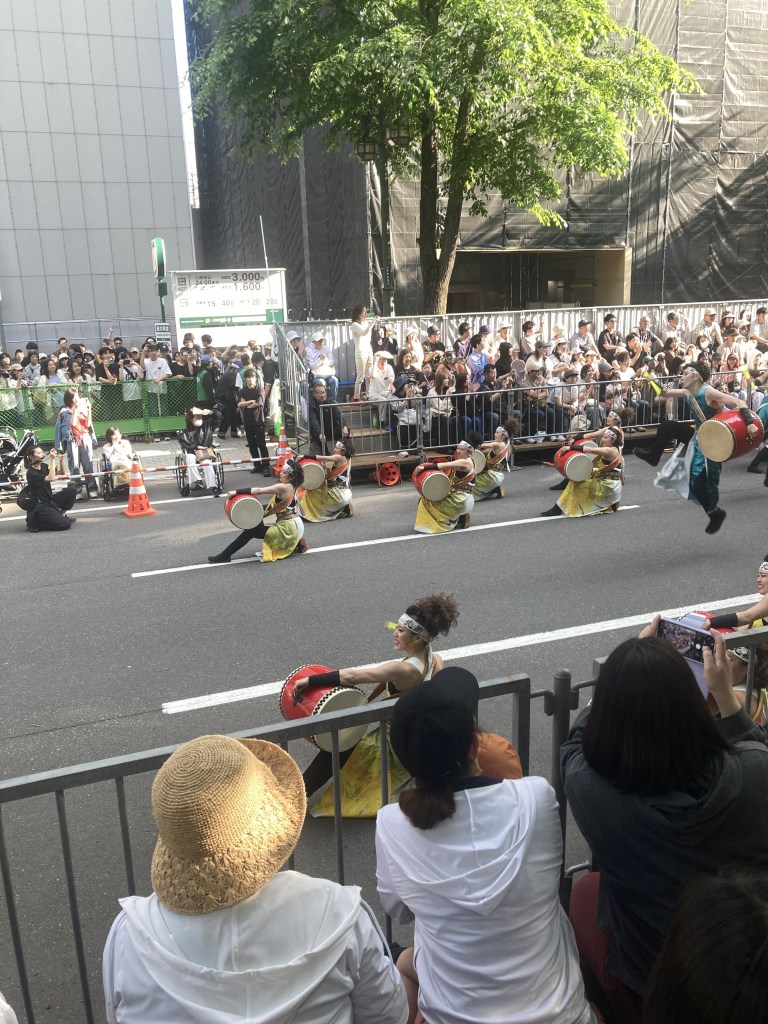
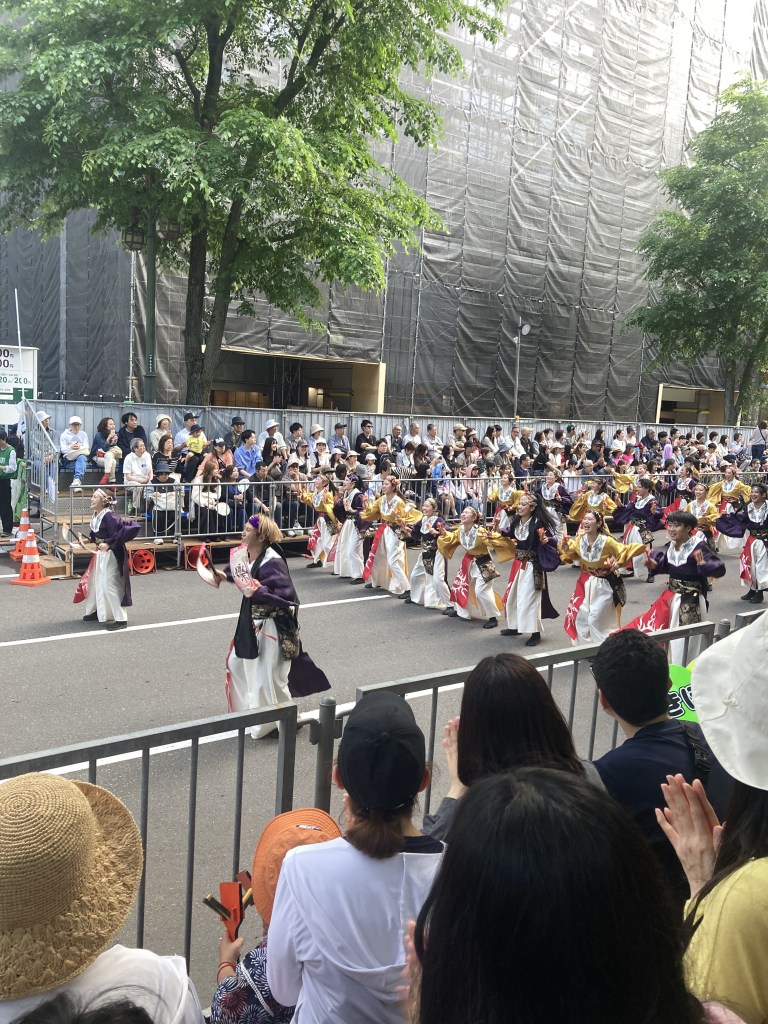
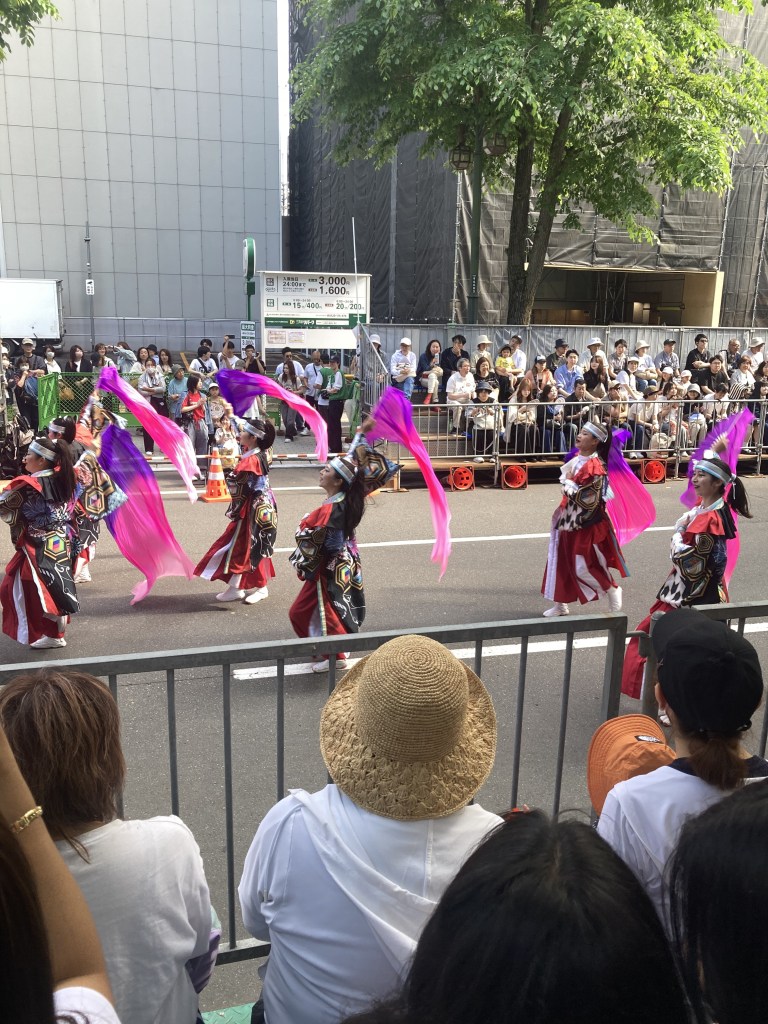
As the sun began to dip and the final rounds played out, the competitive edge of the festival melted into something much larger. After days of dancing through the streets in the summer heat, the performers didn’t look exhausted, they looked possessed by the music. Some routines began in haunting, wintery silence, building slowly until the entire troupe exploded into a kaleidoscopic celebration of spring.
By the time the final beats echoed over the park and the spectators poured into the streets to dance alongside the performers, the narrative of the day was clear. Yosakoi Soran isn’t just a festival you watch from the sidelines. It’s a collective, roaring heartbeat that welcomes summer to Hokkaido with open arms and a beautiful, chaotic noise.
Sunday 14 June 2026
Over the next three days, we’ll be exploring Sapporo through the lens of the Hokkaido Shrine Festival, moving between different parts of the city to experience its traditions, energy, and atmosphere firsthand.
Every June, as Sapporo begins to shake off the last cool traces of spring, the city transforms with the arrival of the Hokkaido Shrine Festival, known locally as the Sapporo Matsuri. For three days, from June 14 to 16, the quiet order of the city gives way to a layered celebration that blends Shinto ritual, community festivity, and living history.
At its heart lies Hokkaido Shrine, nestled beside Maruyama Park. The shrine itself is deeply tied to the origins of modern Hokkaido. Established in the early Meiji period as the island was formally incorporated and developed, it was intended as a spiritual anchor for settlers moving into what was then a harsh and largely undeveloped land. The deities enshrined there embody ideas of protection, cultivation, and the shaping of the land, themes that continue to echo throughout the festival today.
The first days of the festival unfold in a balance of reverence and celebration. Within the shrine grounds, traditional ceremonies take place in an atmosphere that feels both solemn and refined. Kagura dances are performed to the accompaniment of drums and flutes, telling sacred stories through movement. Elsewhere, tea ceremonies, archery displays, and classical performances offer glimpses into the aesthetic world of older Japan. Many of the performers and participants are dressed in garments inspired by courtly styles from centuries past, lending the entire setting an air of historical continuity.
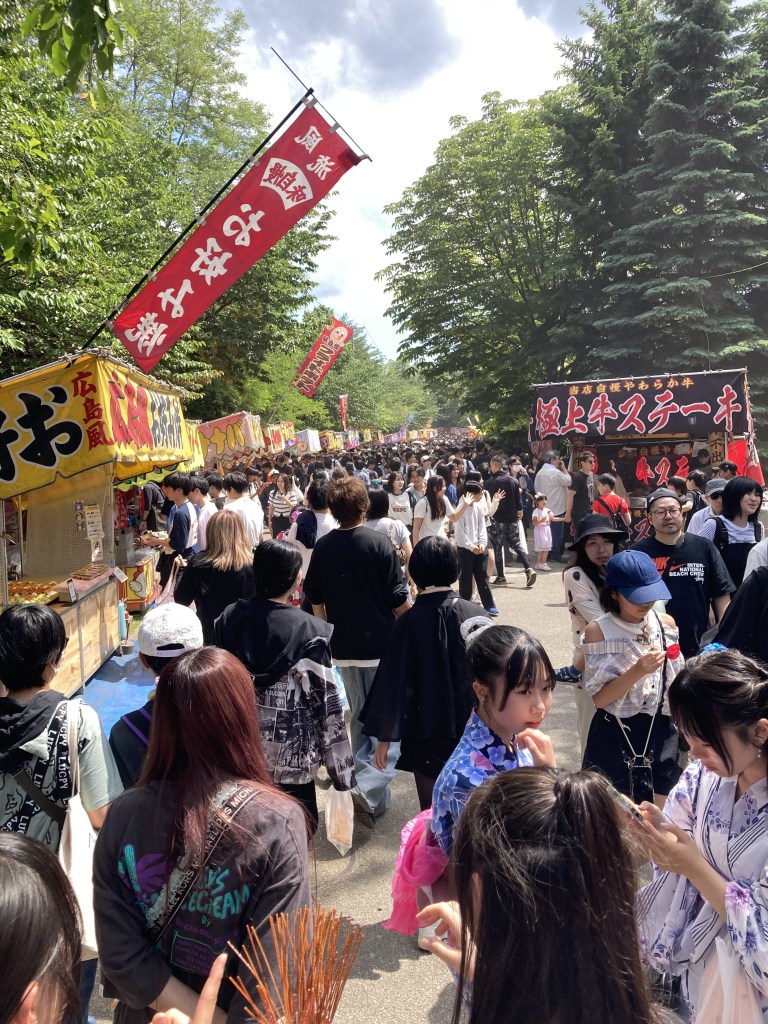
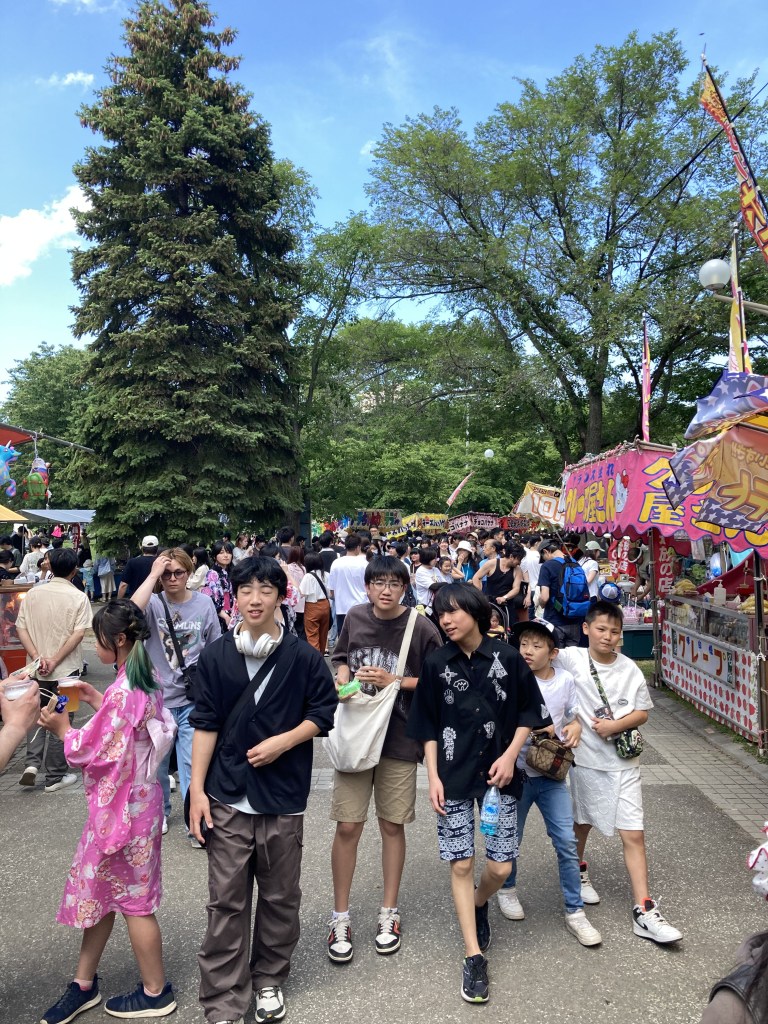
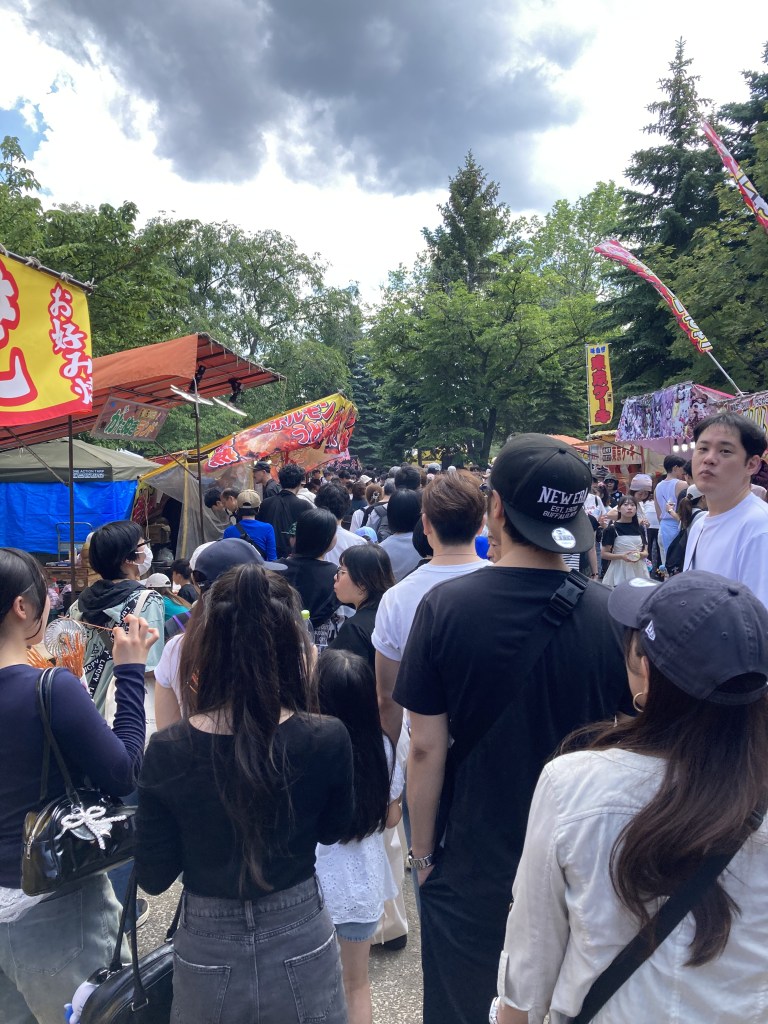
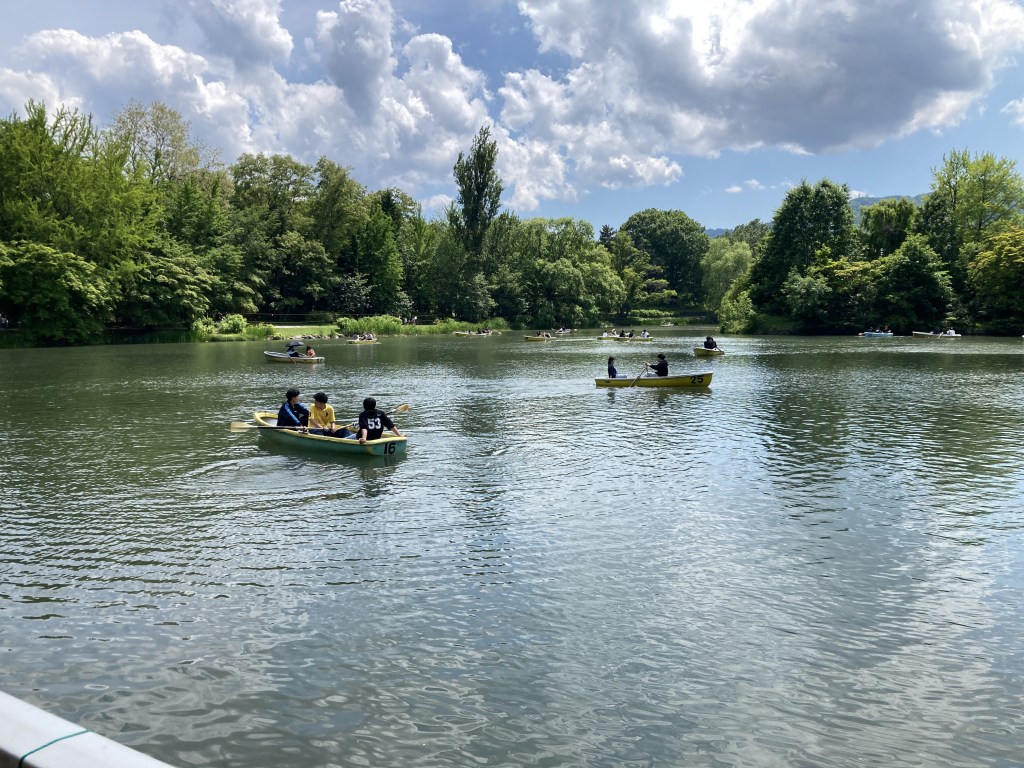
Day one of our three day journey into the festival took us beyond the shrine and into the lively expanse of Nakajima Park, where the energy shifts dramatically into celebration. Lantern-lit rows of yatai offered everything from grilled meats and sweet treats to regional specialties, while children and adults drifted between shooting games, haunted attractions, and small rides. We spent the day wandering through it all, taking in the sights and smells of the food and festivities, surrounded by the constant soundtrack of laughter, music, and conversation that carries on into the evening and marks the beginning of summer in Sapporo. Tomorrow, we head to the shrine itself, nestled beside Maruyama Park, to experience the festival at its spiritual heart.
Yet it is the final day that defines the festival most vividly.
On June 16, the city becomes the stage for the Mikoshi Togyo, a grand procession that carries the spirit of the shrine out into the streets. Beginning at Hokkaido Shrine, the parade winds its way through central Sapporo, moving from the greenery of Maruyama into the urban landscapes of Odori, Tanukikoji, and Susukino. What unfolds is not simply a parade, but a moving tableau of history.
At its center are the Mikoshi, portable shrines that house the deities for the duration of the journey. These are carried with ceremony and care, symbolising the presence of the gods among the people. Surrounding them is a vast procession of participants, numbering in the thousands, dressed in elaborate costumes that recall the Heian period. Flowing robes, lacquered armour, tall court hats, and richly layered fabrics create a visual spectacle that feels as if a scroll painting has come to life.
The Heian period, which lasted from 794 to 1185, is often remembered as one of the most refined eras in Japanese history. Centred in the imperial capital of Kyoto, it was an age defined by courtly elegance, strict hierarchy, and a profound appreciation for beauty in all forms, poetry, clothing, ritual, and architecture. Aristocrats moved through a world governed by ceremony and aesthetic sensitivity, where even the layering of robes or the phrasing of a poem carried deep social meaning.
By drawing on this period, the festival evokes an image of classical Japan at its most graceful. The procession mirrors the kinds of formal pageantry that once defined court life, where movement, costume, and ritual were expressions of both power and devotion. In Sapporo, this imagery is reimagined and set against a modern urban backdrop, creating a striking contrast between past and present.
As the procession advances, spectators line the streets, gathering hours in advance for a glimpse of the passing spectacle. At key intersections, the parade slows, allowing for moments of presentation where the Mikoshi and floats are displayed. These pauses offer a chance to take in the intricate details, the craftsmanship of the ornaments, the precision of the costumes, and the collective effort that sustains the tradition.
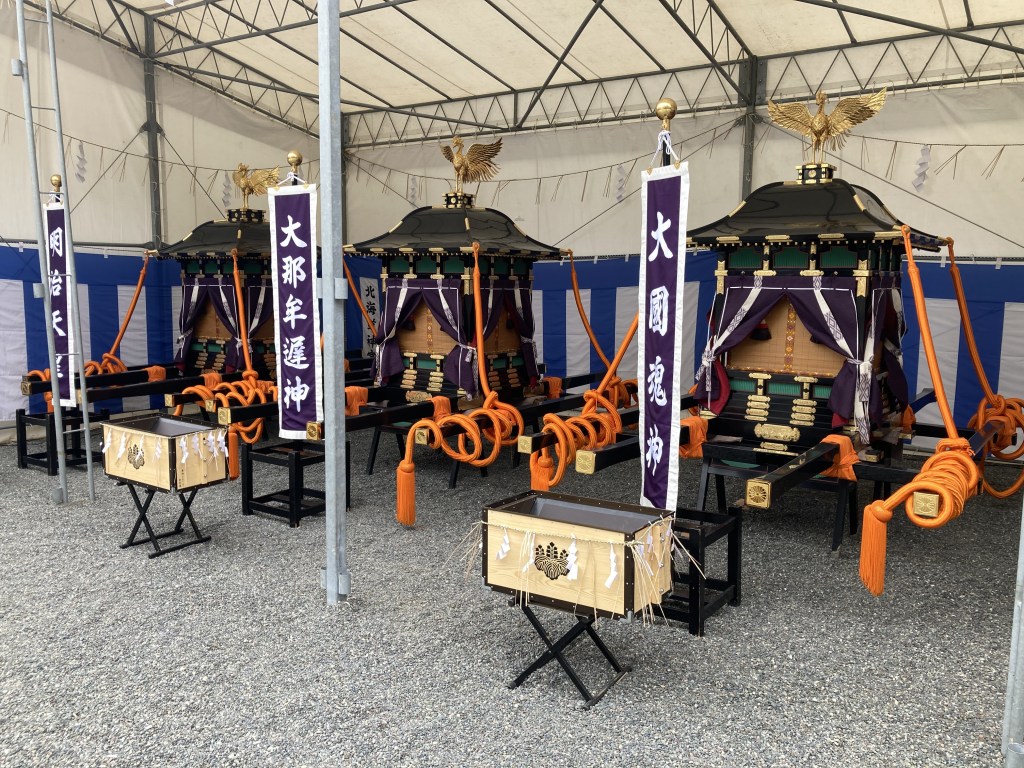
More than anything, the Mikoshi Togyo represents a symbolic journey. By carrying the deities beyond the shrine and into the heart of the city, it extends a blessing over the urban landscape. It is an act that connects the sacred with the everyday, binding community, place, and belief into a single moving ritual.
What makes the Hokkaido Shrine Festival so compelling is this layering of meaning. It is at once a religious observance, a public celebration, and a reenactment of a distant cultural past. In its final moments, as Heian-era figures process through modern streets beneath traffic lights and glass buildings, the festival captures something uniquely Japanese, a seamless coexistence of history and contemporary life.
If you watch closely, it becomes clear that this is not just a festival preserved, but one continually lived.
Monday 15 June 2026
When we visited Hokkaidō Shrine, it wasn’t one of those places we had carefully planned out in advance. It was more of a “let’s go for a walk and see what we discover” kind of stop. But almost immediately, the whole atmosphere shifted in a way that even the kids picked up on.
The path leading in is wide but quiet, lined with tall trees that seem to soften everything around you. By the time we reached the large torii gate, conversation dropped naturally to a whisper, no reminders needed. Passing through it felt like crossing into a different space entirely, one that asked you to slow down without saying so.
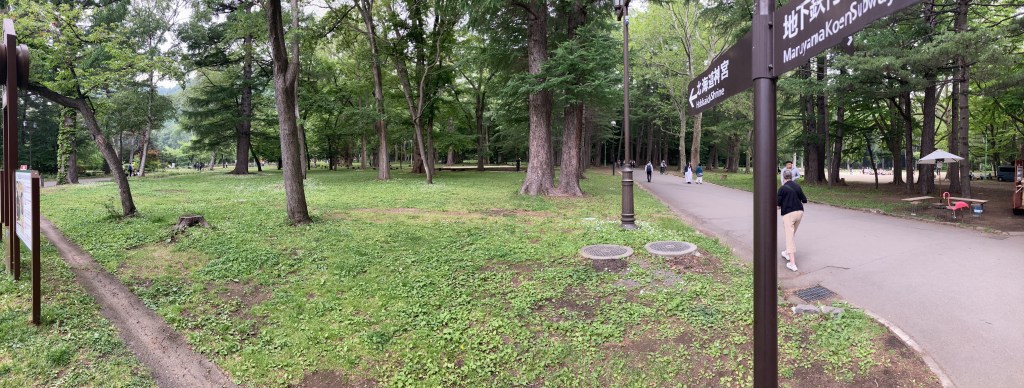
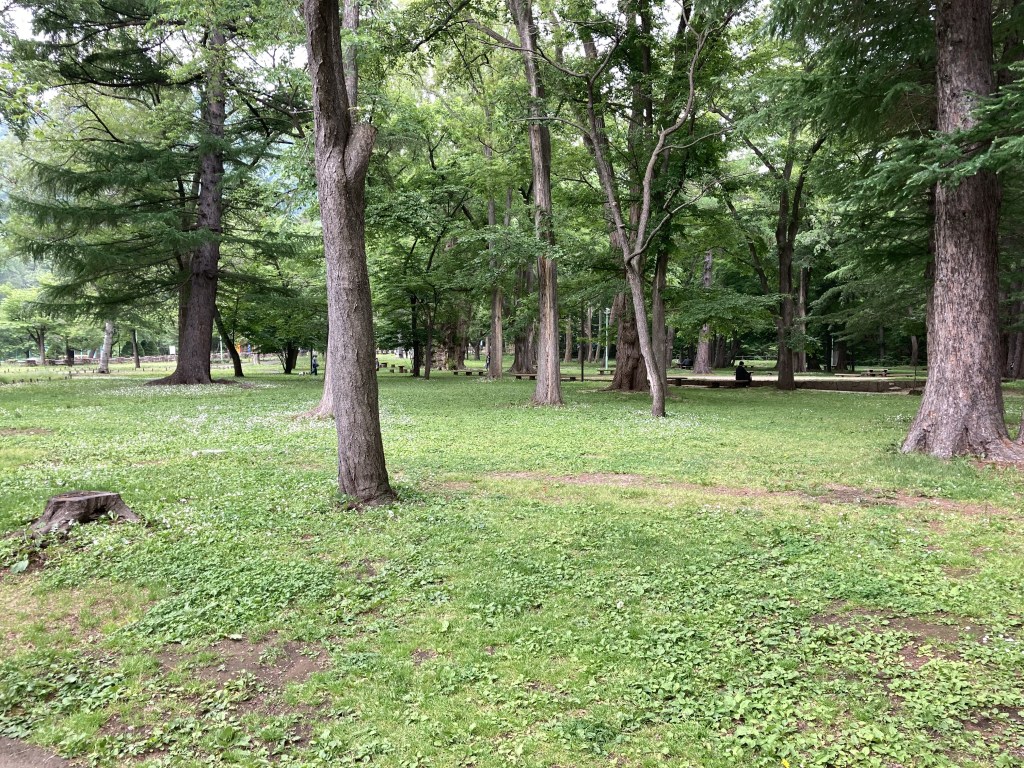
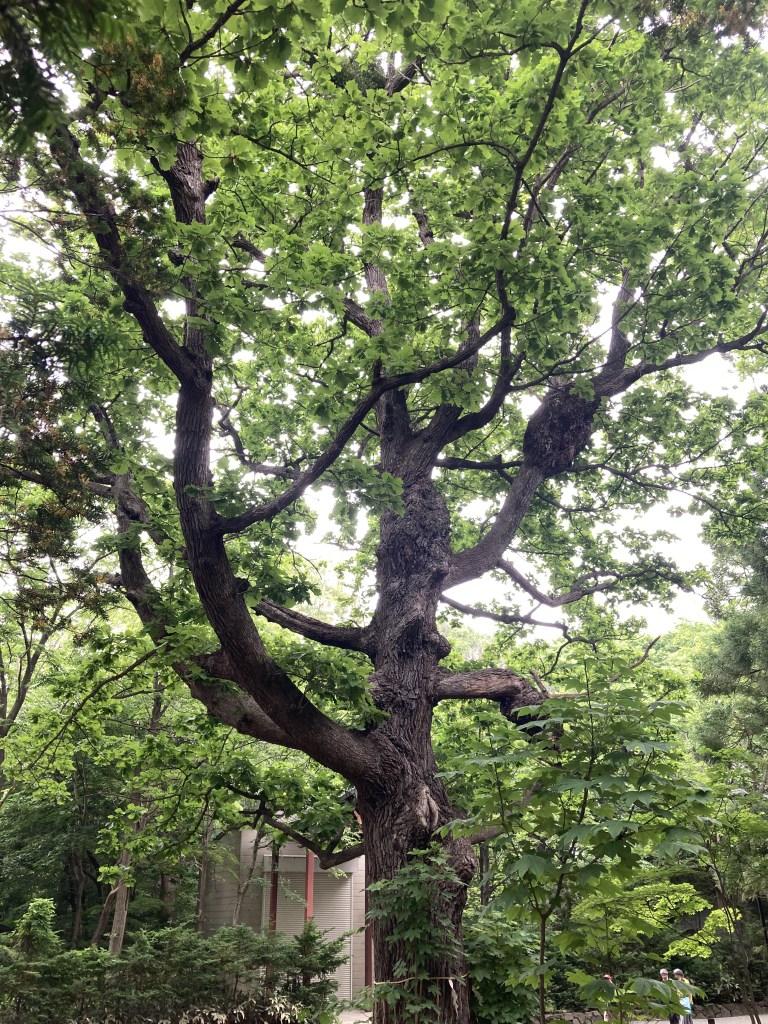
As we walked further in, the shrine buildings gradually came into view, and they were honestly beautiful in a very calm, understated way. The main hall, with its gently sloping green roof and clean wooden lines, stood out against the trees but didn’t overpower them. Everything was built from natural materials, wood that had aged softly over time, white walls that felt simple rather than decorative, and thick beams that gave the structure a quiet sense of strength.
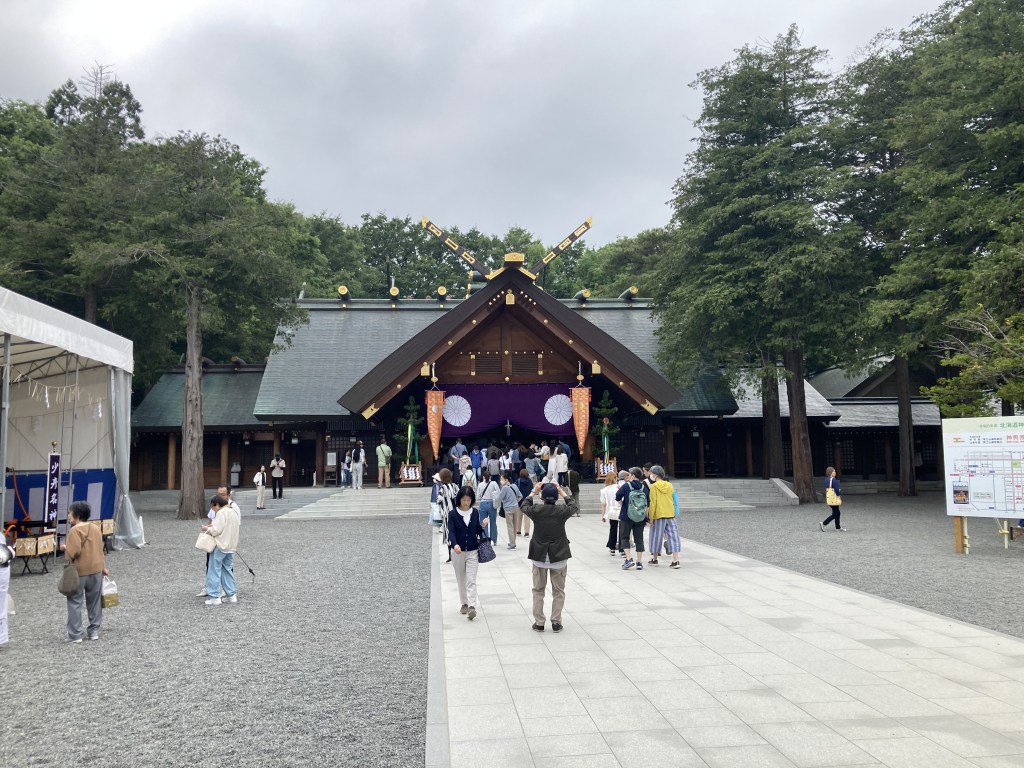
The roof was especially striking. It curved just slightly at the edges, not dramatically, but enough to give the whole building a graceful shape. The eaves extended outward, creating shaded spaces where the light filtered through in layers. Decorative gold accents caught the sun here and there, not flashy, just enough to draw your eye if you were paying attention. It felt balanced, like nothing was added without a reason.
In front of the main hall, there’s a wide open courtyard of gravel, which adds to that sense of space and calm. Standing there, you notice how the shrine isn’t crowded with objects or decorations. It’s open, intentional, and incredibly peaceful. Even the water purification basin off to the side, where visitors rinse their hands, is designed simply, stone, water, and the quiet sound of movement.
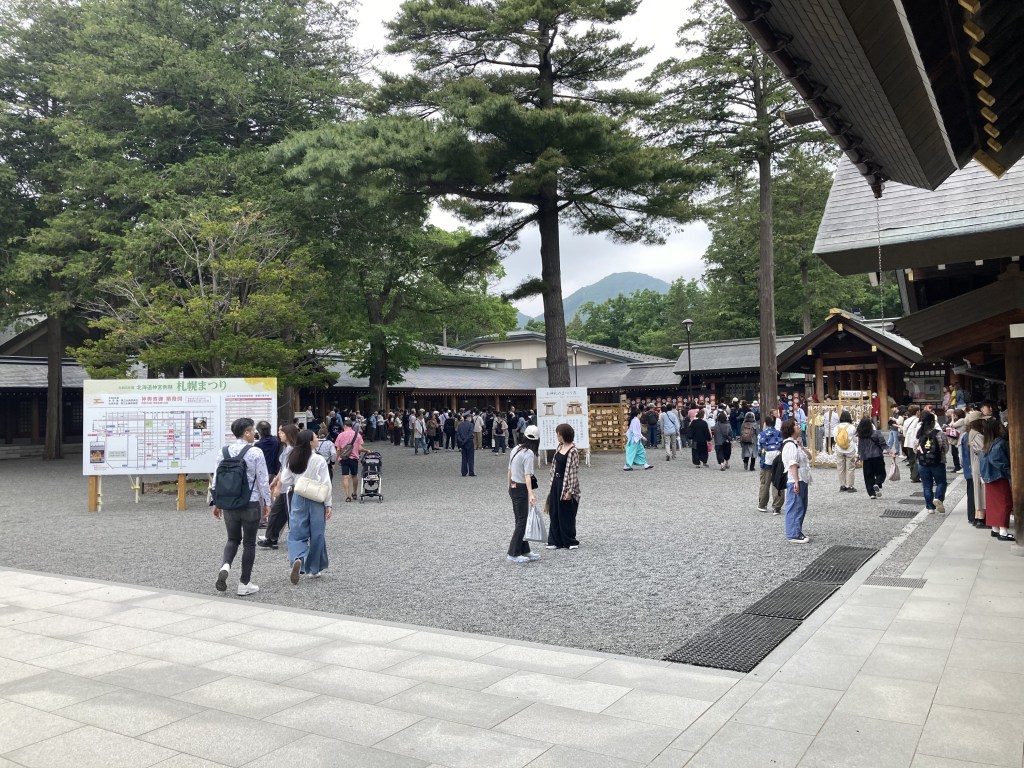
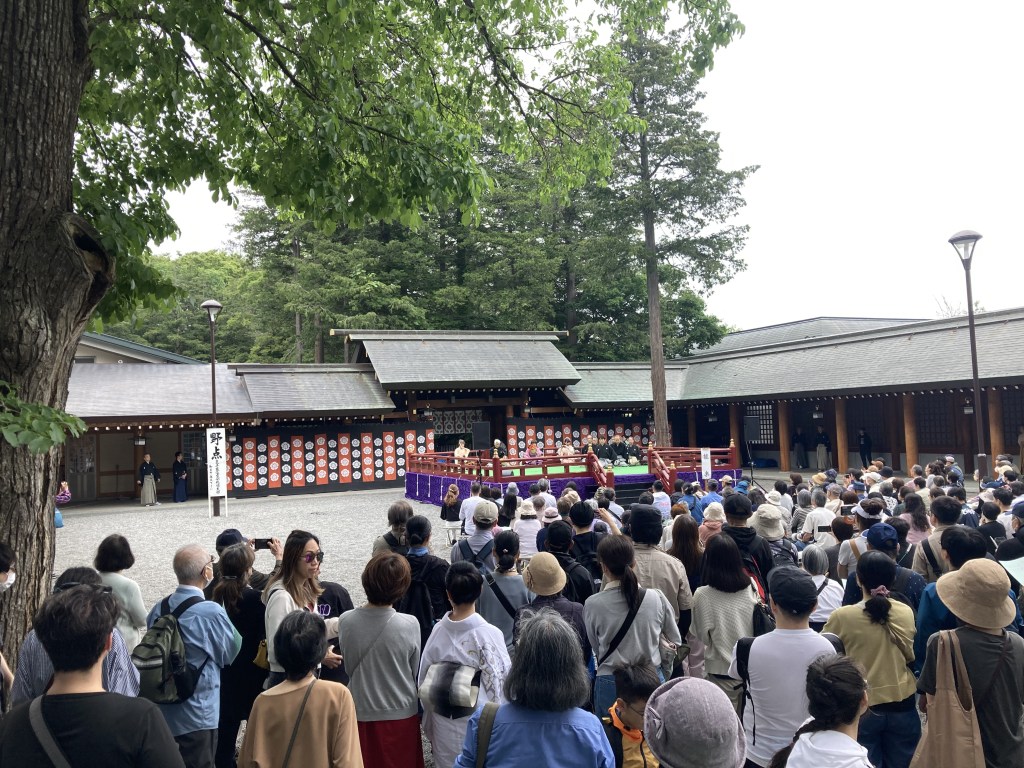
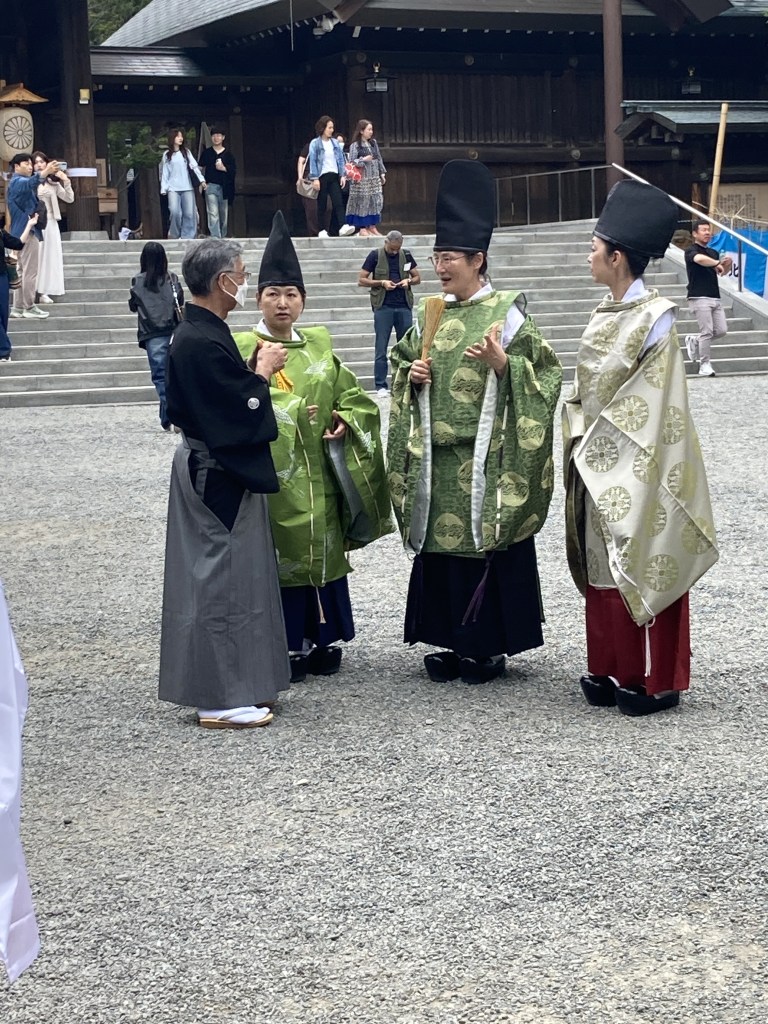
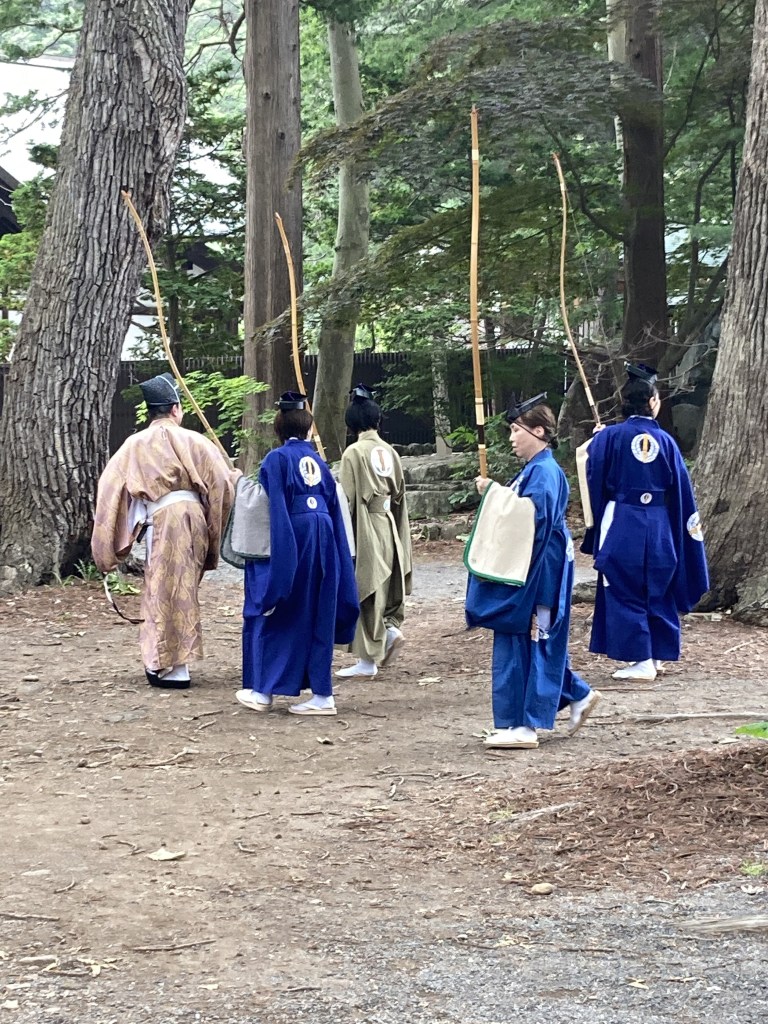
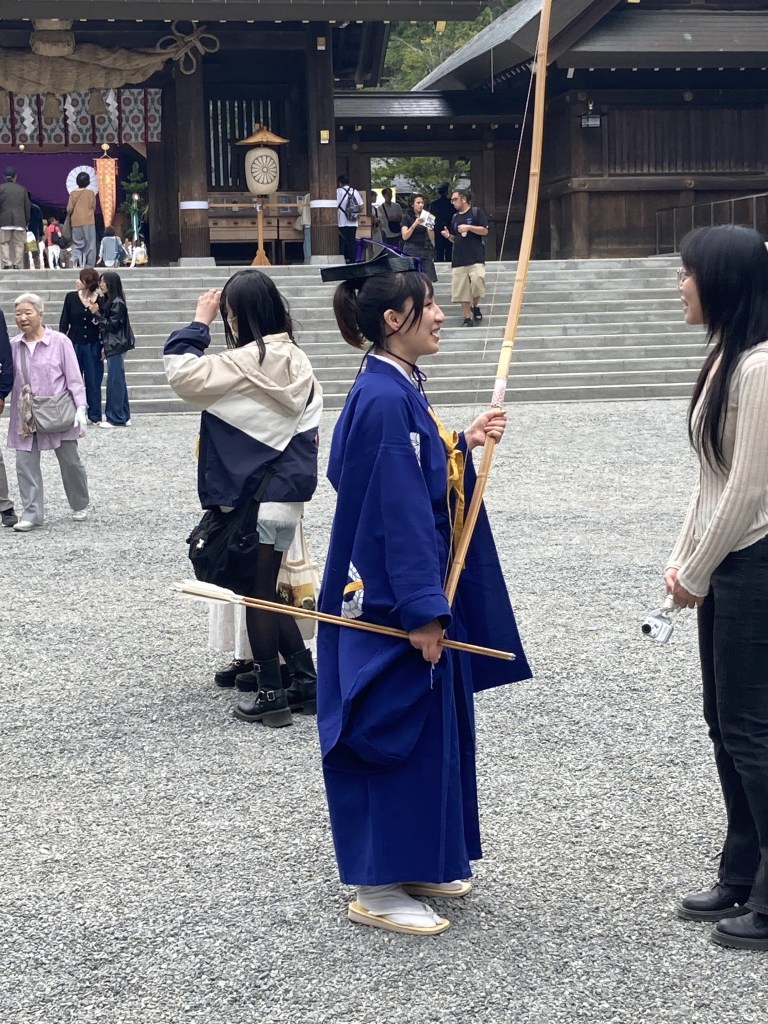
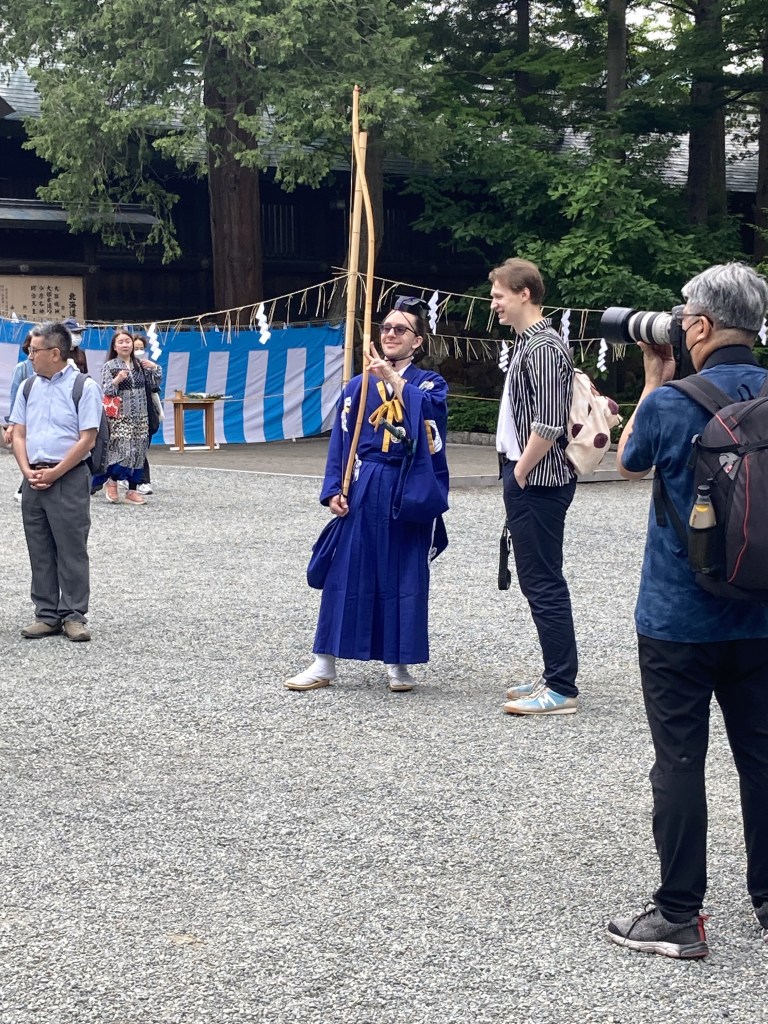
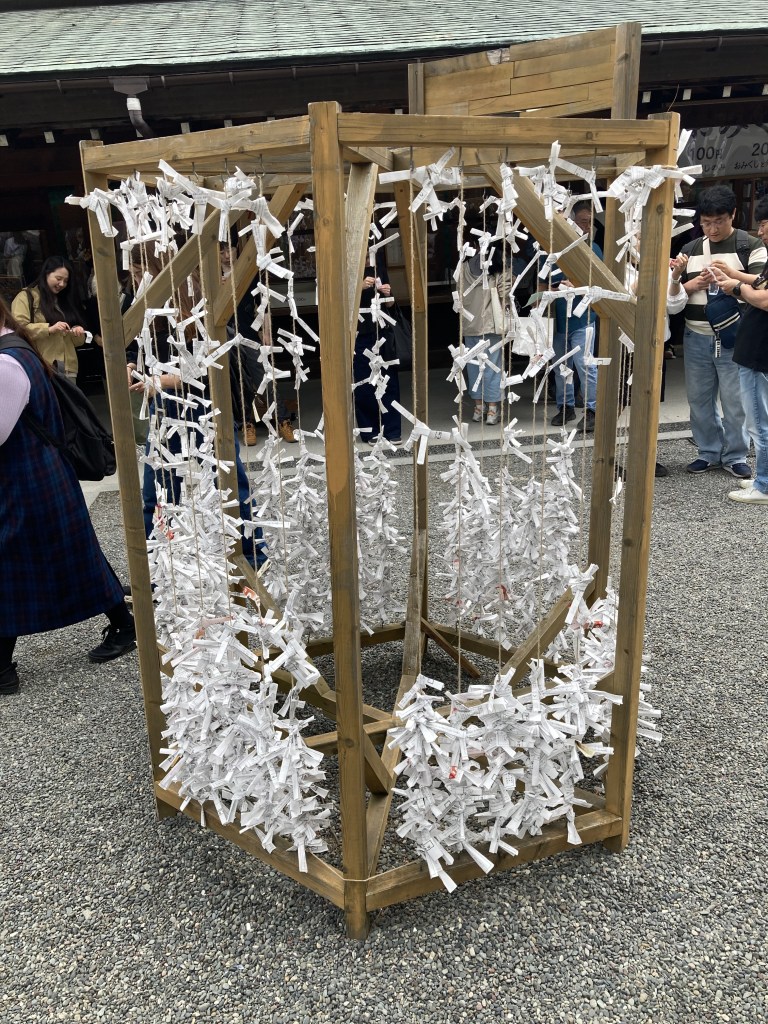
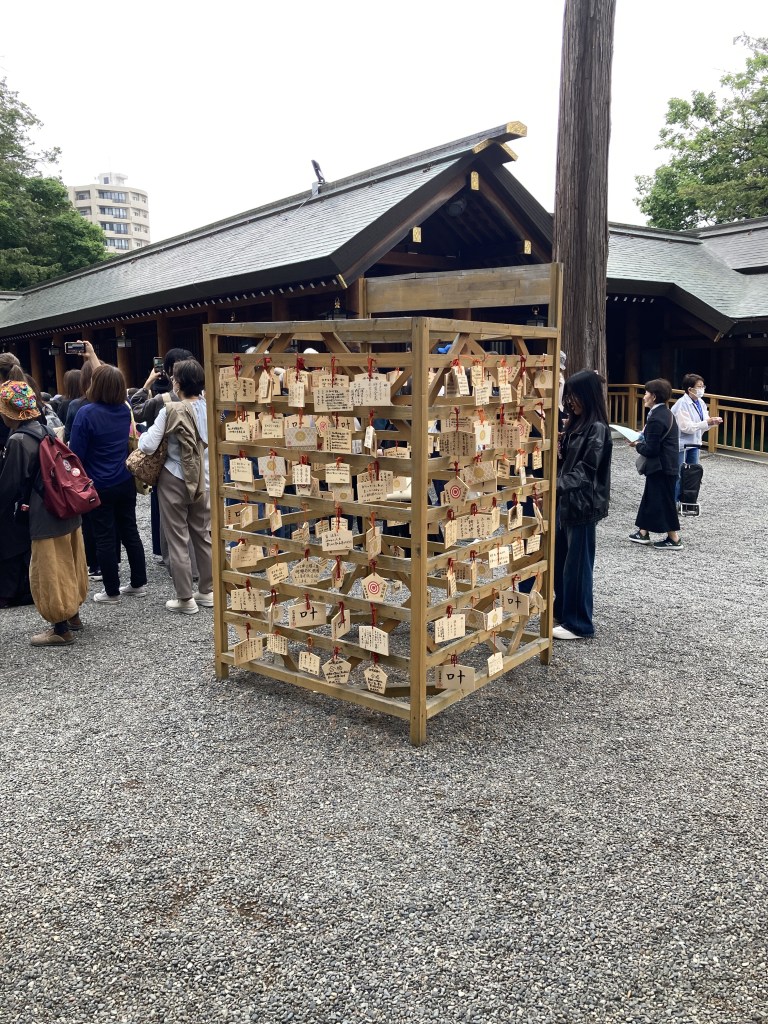
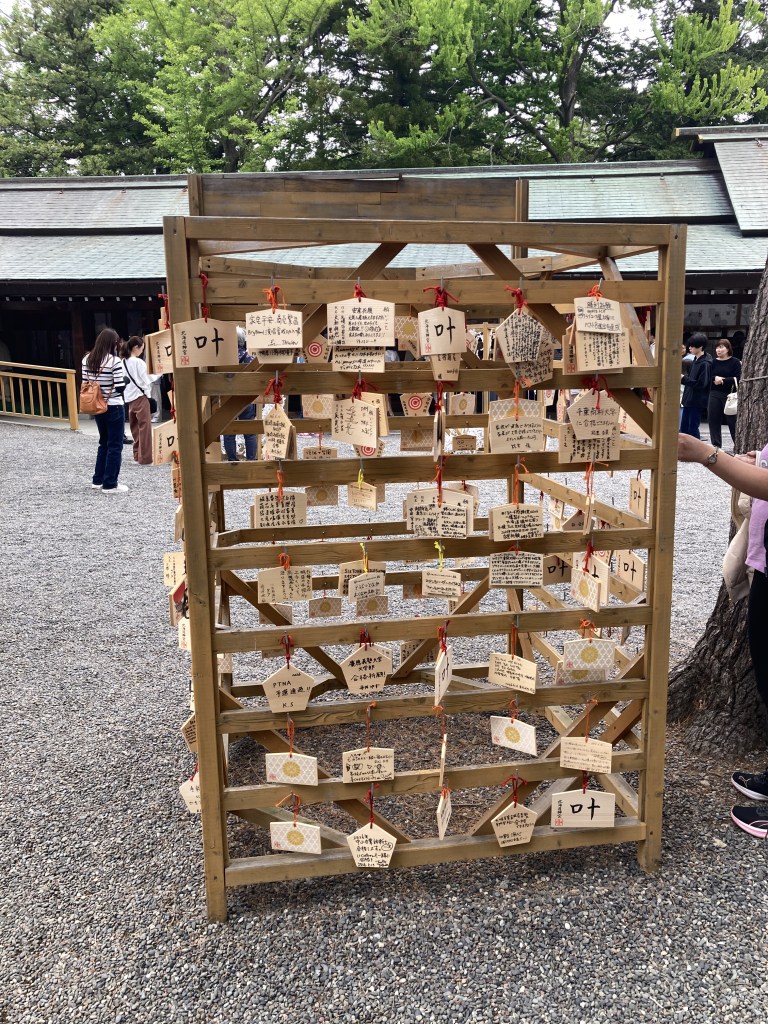
What really struck me, though, is that even with all this traditional beauty, the shrine itself isn’t especially old. It was built in the late 1800s, during a time when Japan was developing Hokkaidō and establishing new communities. So, in historical terms, it’s quite modern.
But you wouldn’t know that just by being there.
Everything about the way people move through the space feels much older. The bows, the pauses, the way visitors approach the main hall, it all follows patterns that have been part of Japanese culture for centuries. We stood off to the side for a bit and just watched. Families came and went, some dressed up, some in everyday clothes like us. Kids would run ahead, then slow themselves down, sensing without being told that this was a place to be a little more careful, a little more aware.
There was one moment that really stuck with me. A light breeze moved through the trees, and a few petals drifted down (we were lucky enough to visit just as things were starting to bloom). It was such a small thing, but it made the whole place feel alive in a quiet way. It reminded me of how much Japanese culture has always valued these passing moments, something that goes all the way back to older times, when people paid close attention to the seasons and found meaning in them.
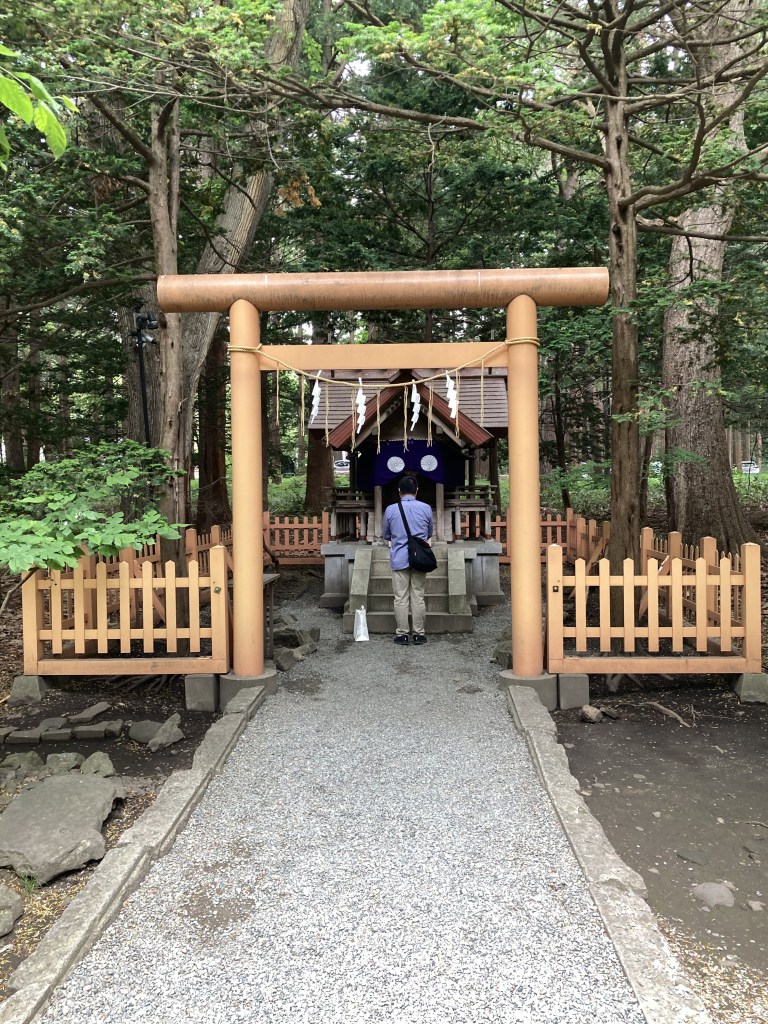
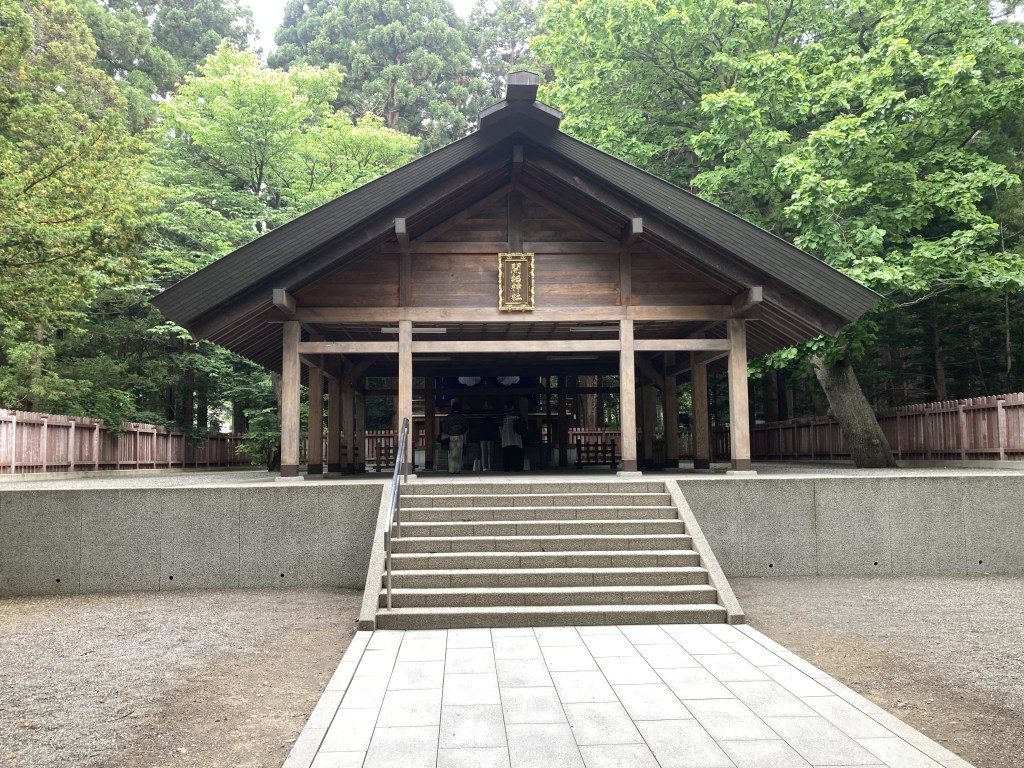
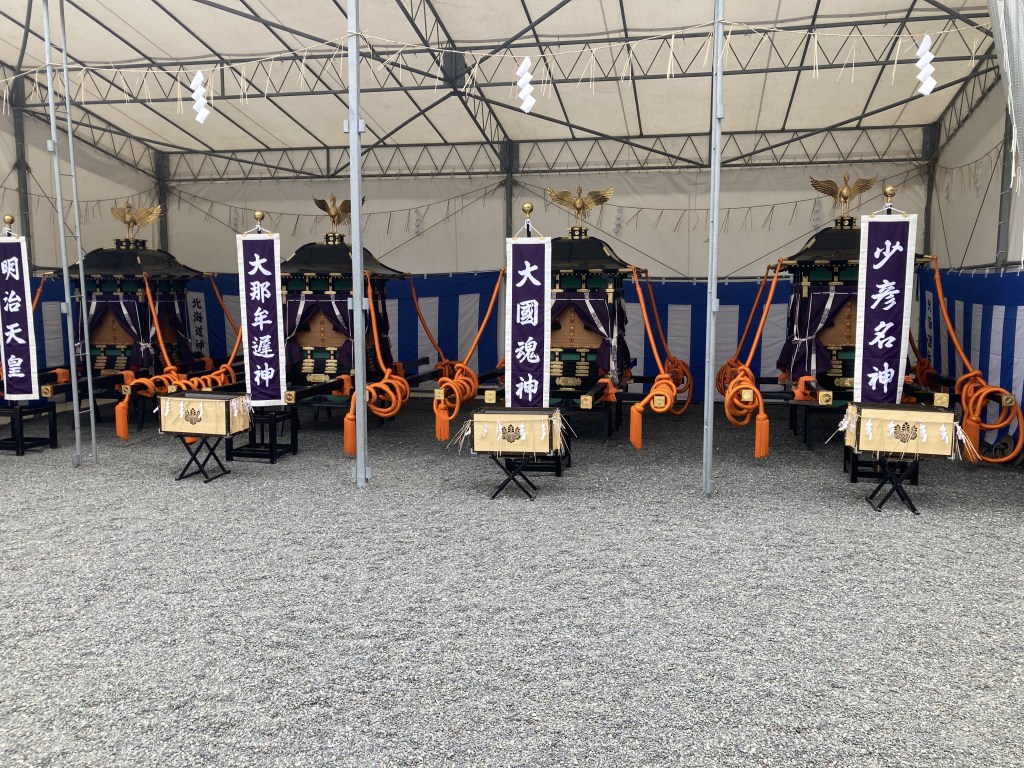
That feeling is still there, even in a relatively “new” shrine like this one. It doesn’t feel like a site that was recently created, it feels like something that carries older traditions forward, gently and naturally.
By the time we left, the kids had started chatting again, a bit louder now as we crossed back out through the gate. But even they mentioned how “calm” it felt inside. Not boring calm, just different.
And I think that’s what made the visit so memorable for us. It wasn’t just about seeing a shrine. It was about sharing a space that invites you to slow down, notice small things, and just be present together, even if only for a little while.
Tuesday 16 June 2026
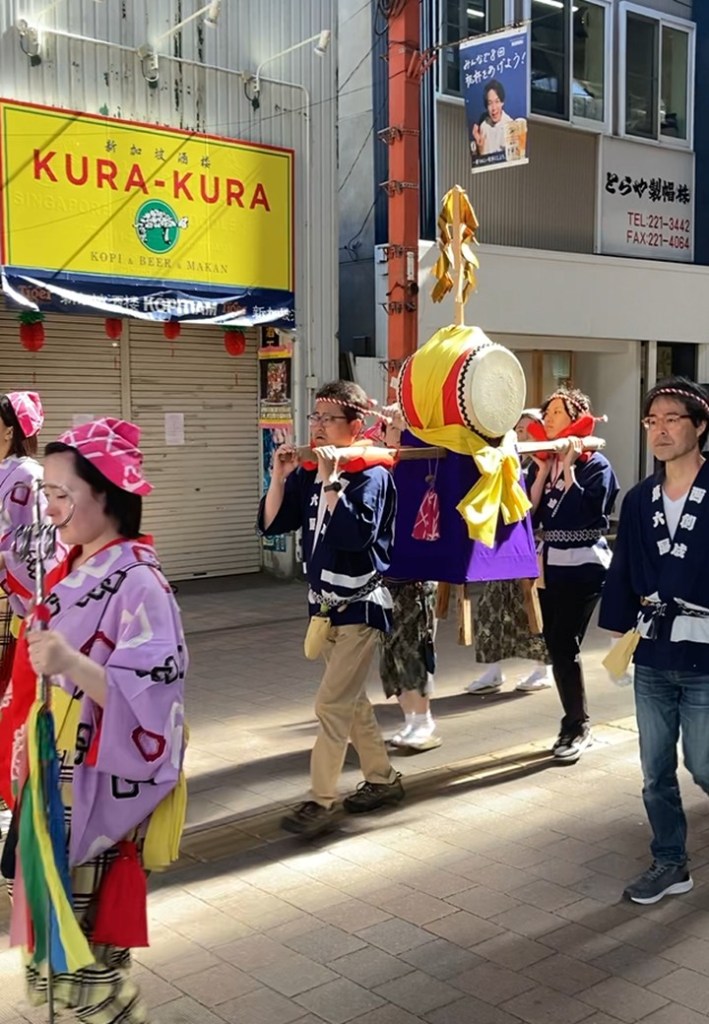
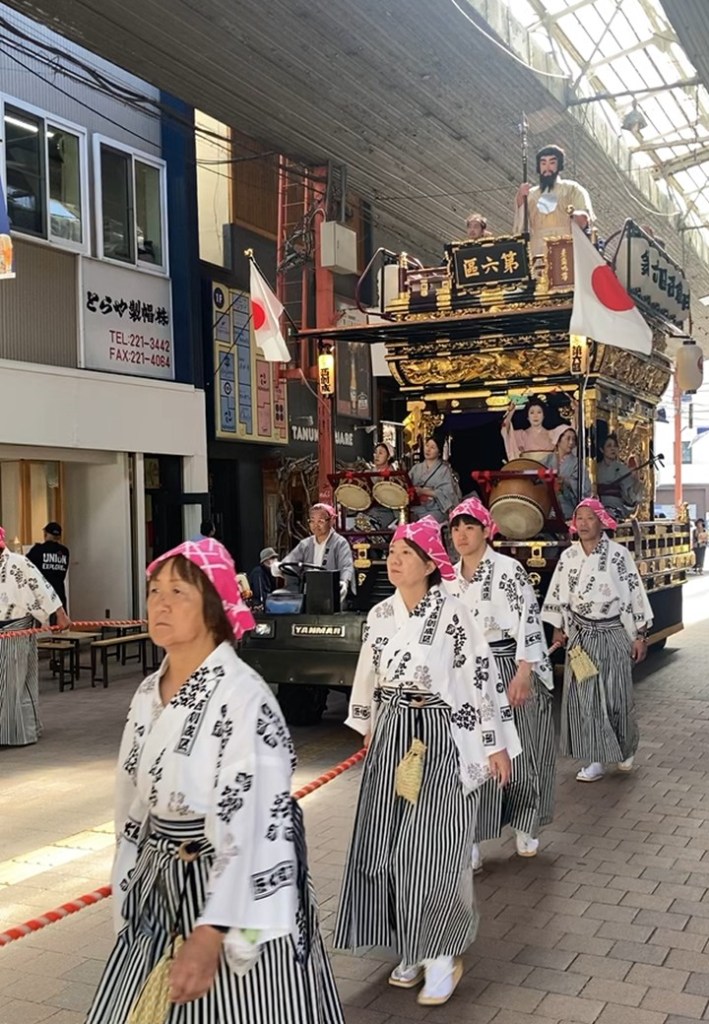
The images featured in today’s blog are snapshots taken from video footage I recorded throughout the day. While these photos offer a glimpse of the parade, I highly recommend watching the video links below to fully appreciate the atmosphere and truly capture the significance of the event.
The streets of Sapporo today felt less like a modern city and more like a living, moving tapestry of history. As the Hokkaido Shrine Festival parade made its way through the avenues, it was impossible not to sense that this was more than spectacle, it was a ritual that has linked the past to the present for well over a century. The festival traces its roots back to the early years of Sapporo’s development in the late nineteenth century, when the Hokkaido Shrine was established to enshrine the deities believed to guide and protect the island. What we witnessed today is the continuation of that tradition: a ceremonial procession that expresses gratitude for blessings received and a hopeful prayer for prosperity in the future.
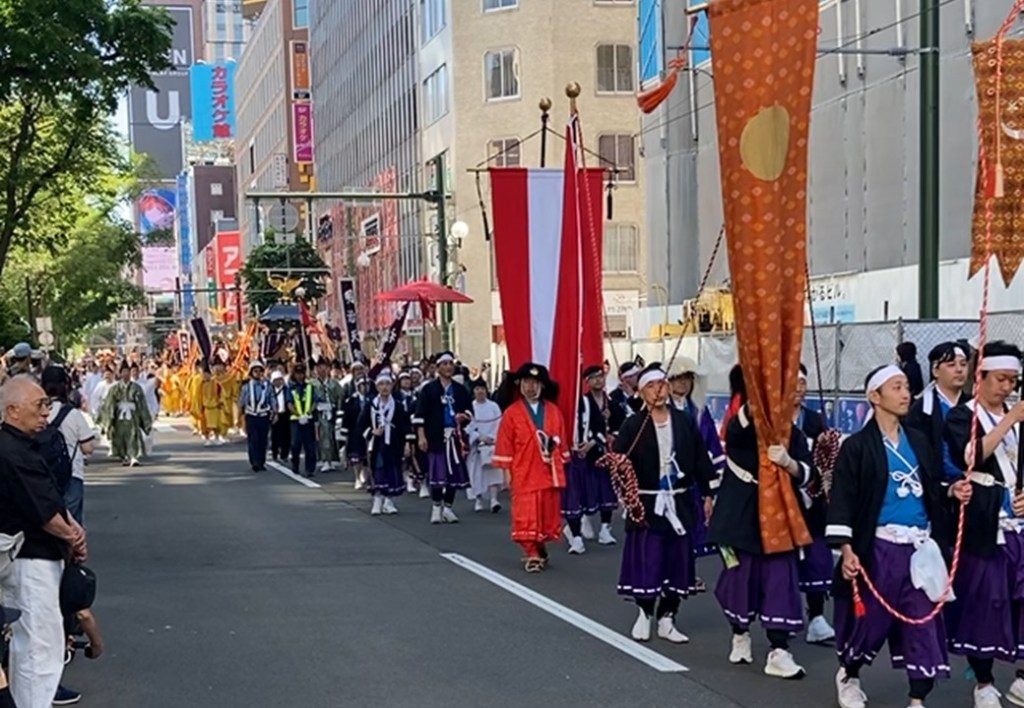
Video 1 of the Parade: https://youtube.com/shorts/ZYgOS8NG-dY?
Video 2 of the Parade: https://youtube.com/shorts/zZ7IVmiGnzM?
Video 3 of the Parade: https://youtube.com/shorts/ugK6iGKGn-w?
Video 4 of the Parade: https://youtube.com/shorts/fIyu6qVl2yU?feature=share
At the heart of the parade are the Mikoshi, the portable shrines carried high on the shoulders of participants moving in rhythmic unison. These are not simply decorative objects, they are believed to serve as temporary homes for the kami, the Shinto deities, during the festival. As they travel through the streets, the gods symbolically leave the shrine to visit the community, blessing the spaces and people along the route. Watching them sway above the crowd, accompanied by chant and drum, gives a sense of movement not just in space but between worlds: the sacred passing briefly through the everyday. The energy surrounding the Mikoshi, equal parts reverence and celebration, captures the essence of Shinto belief, where divinity is not distant but woven into the rhythms of life and nature.
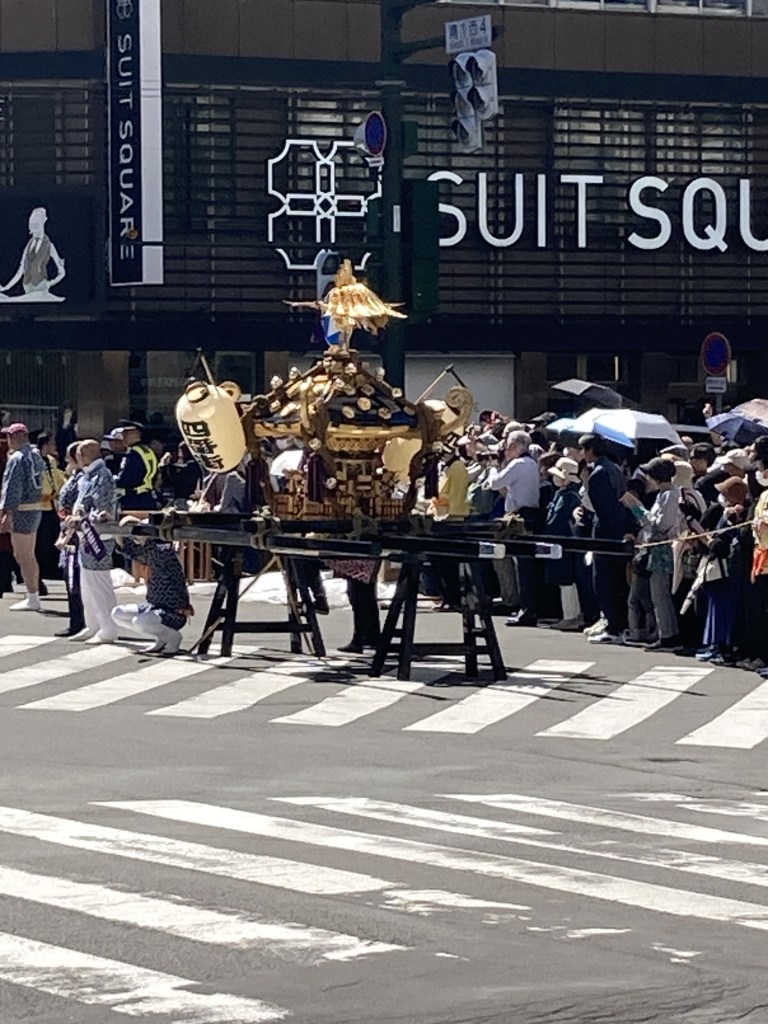
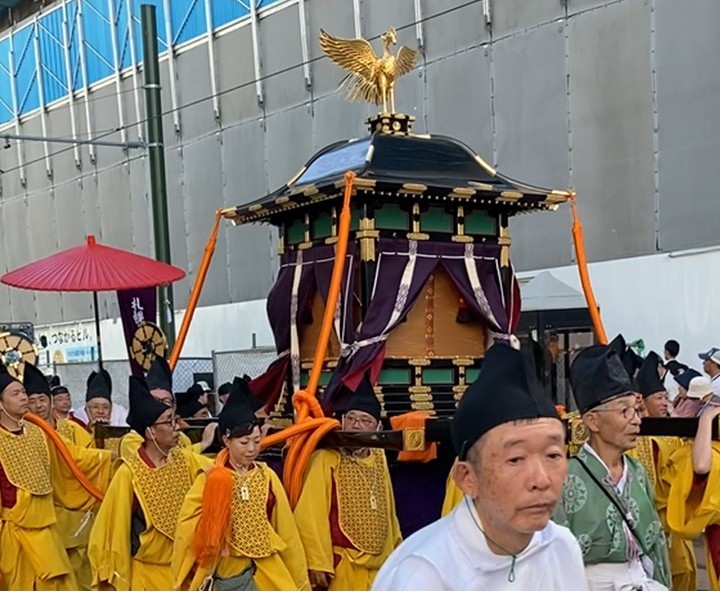
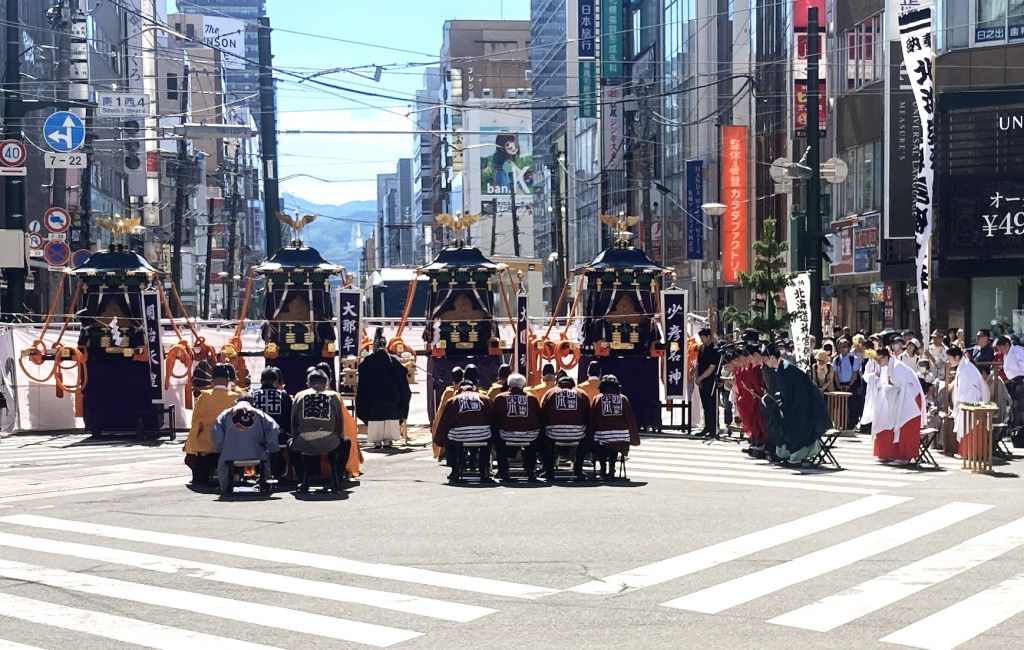
Alongside the shrines come the floats, elaborate and richly decorated, each one telling a story. These floats often depict scenes from Japanese mythology and history, episodes from classical literature, legendary warriors, or well-known folk tales. It is common, for example, to see figures inspired by heroic samurai epics, moments from The Tale of Genji, or mythical encounters involving gods, spirits, and supernatural beings. These moving displays act as a kind of visual storytelling, bringing to life the narratives that have shaped Japanese cultural identity for centuries. Their importance lies not only in their craftsmanship but in their role as carriers of memory, allowing each generation to encounter these stories in a vivid, communal way.
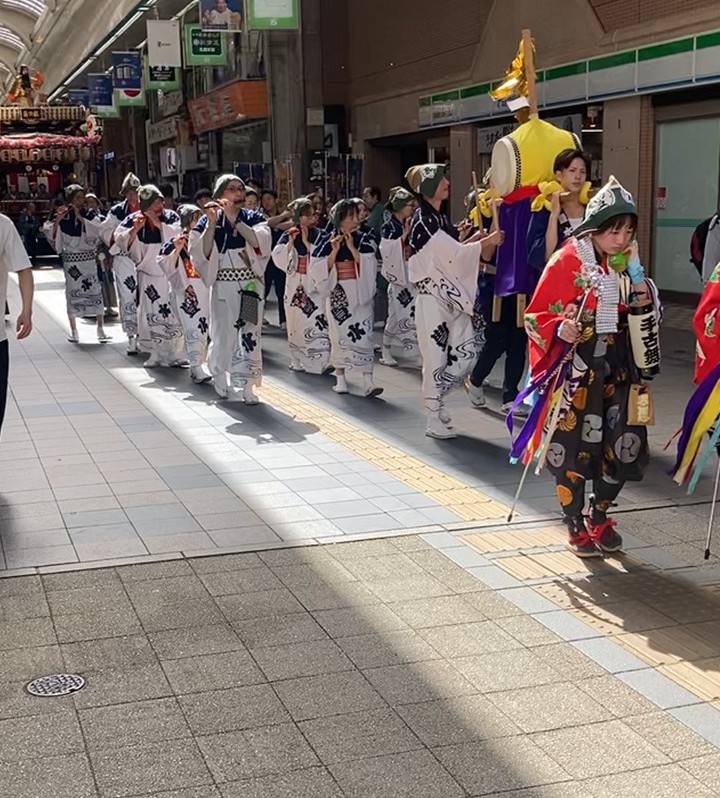
Video 1 of floats in the Hokkaido Shrine Festival Parade 2026: https://youtube.com/shorts/s6PARHRXveg?feature=share
Video 2 of floats in the Hokkaido Shrine Festival Parade 2026: https://youtube.com/shorts/cn4uIcwwZP8?feature=share
Video 3 of floats in the Hokkaido Shrine Festival Parade 2026: https://youtube.com/shorts/ajXVlgi-kkQ?feature=share
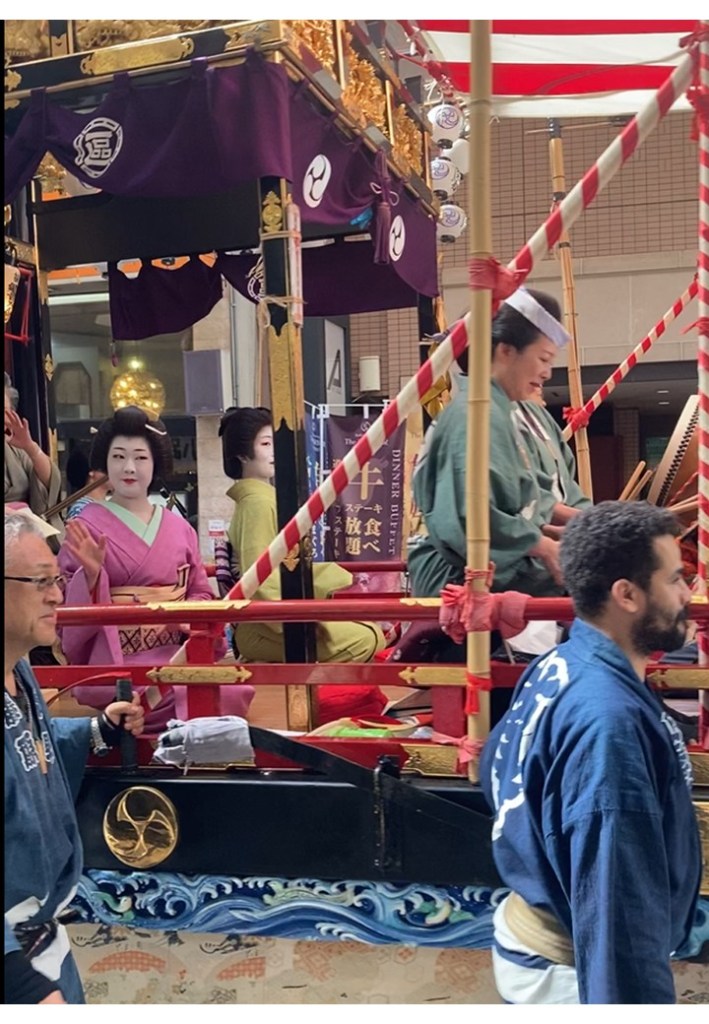
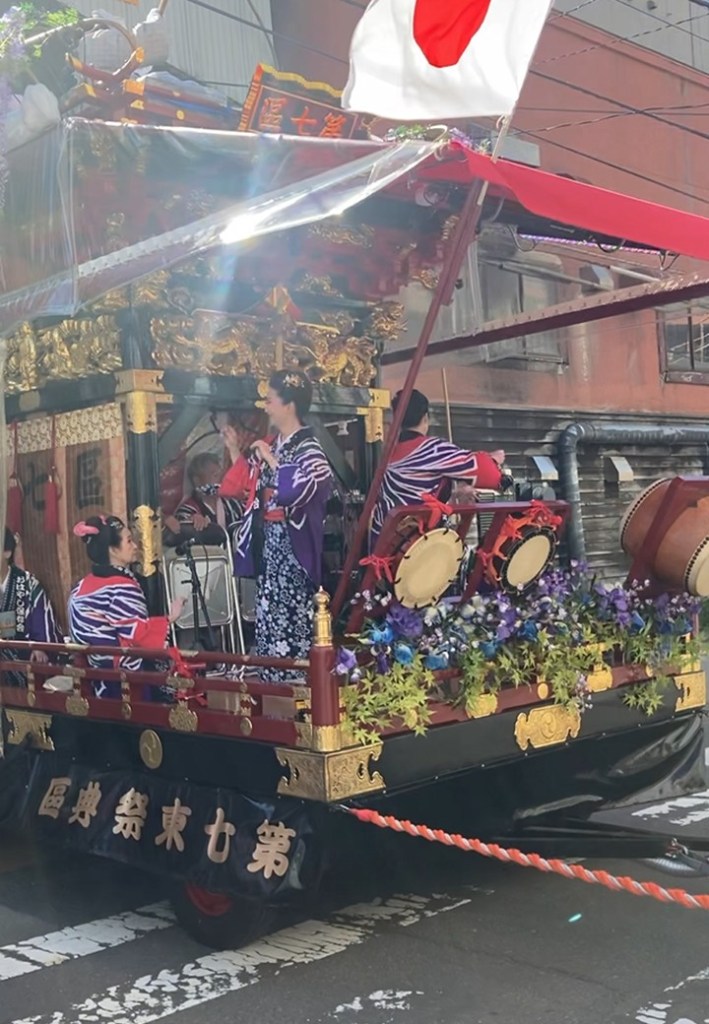
Behind the beauty of what we saw today lies a great deal of preparation by the local community. In the days and weeks leading up to the festival, neighbourhood groups and shrine members work together to clean, repair, and decorate the Mikoshi and floats. Participants rehearse the coordinated movements required to carry the shrines safely through the streets, while others prepare costumes inspired by historical periods, carefully maintaining traditions that have been handed down over time. Local residents also help organise stalls, arrange routes, and ensure that the parade runs smoothly. This shared effort reinforces a strong sense of community, as the festival is not just performed for an audience but created collectively by the people who live there.
Video 4 of floats in the Hokkaido Shrine Festival Parade 2026: https://youtube.com/shorts/OQofOQWpByw?feature=share
Video 5 of floats in the Hokkaido Shrine Festival Parade 2026: https://youtube.com/shorts/pydwX9QTsys?feature=share
Video 6 of floats in the Hokkaido Shrine Festival Parade 2026: https://youtube.com/shorts/mhAI4UdYeKs?feature=share
Video 7 of floats in the Hokkaido Shrine Festival Parade 2026: https://youtube.com/shorts/rEuuUE9PLcY?feature=share
The parade also carries a distinct sense of symbolism tied to time and identity. Many participants dress in clothing that evokes earlier eras, transforming the city into a layered representation of history. In that sense, the festival is not only about honouring deities but also about remembering the people and traditions that shaped Hokkaido into what it is today. It becomes a bridge between past and present, allowing history to be experienced rather than simply remembered.
One of the more intriguing elements, and one that prompted questions today, is the presence of fox imagery. When asked whether foxes are worshipped as deities, the answer lies in a subtle but important distinction within Shinto belief. Foxes, known as kitsune, are not typically worshipped as gods themselves. Instead, they are considered messengers of the deity Inari, who is associated with rice, agriculture, and prosperity. In many shrines across Japan, fox statues stand as guardians, symbolising a connection between humans and the divine rather than being objects of worship.
Culturally, the fox holds a rich and layered meaning. It is seen as intelligent, protective, and spiritually significant, sometimes a trickster in folklore, but often a benevolent intermediary carrying divine influence into the human world. Over time, this symbolism became deeply embedded in festival culture, where the fox represents prosperity, guidance, and the unseen presence of the spiritual realm. Rather than worshipping foxes themselves, people honour what they represent: the idea that the divine communicates through the natural world.
Standing there today, watching the procession wind its way through Sapporo, it became clear that this parade is not simply a performance. It is a living expression of belief and belonging, where shrines, stories, and symbols all move together through the city. The sacred passes briefly through the ordinary, history comes alive in motion, and the community gathers not just to watch, but to take part in something that connects them to each other and to a much deeper sense of place and tradition.
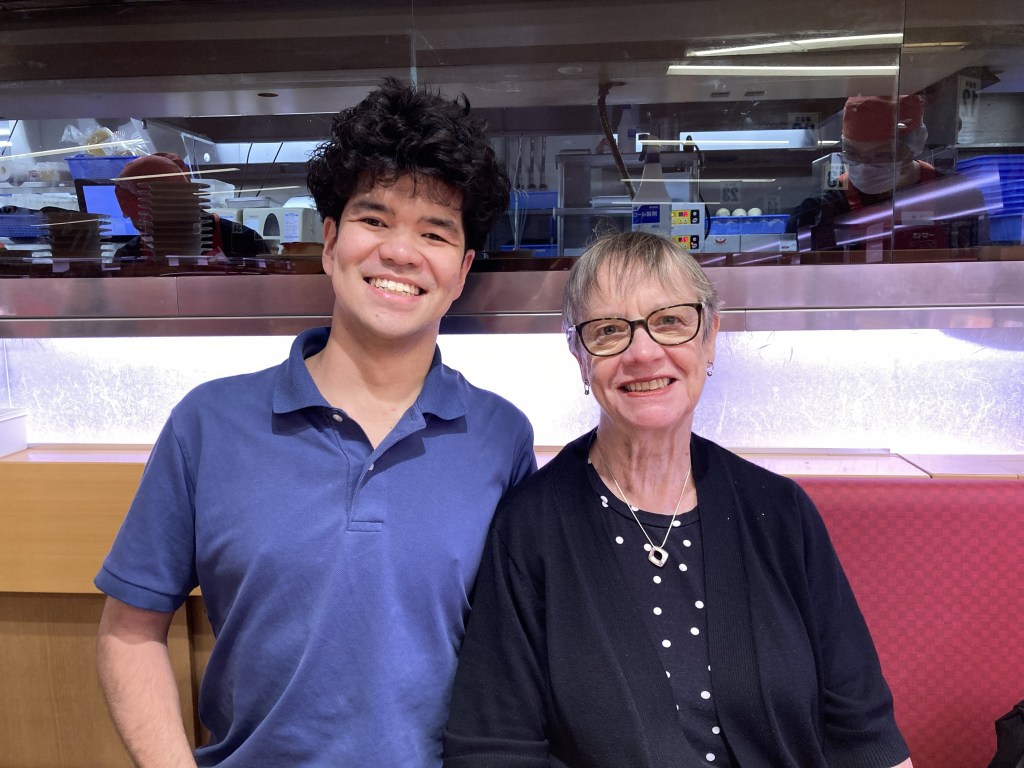
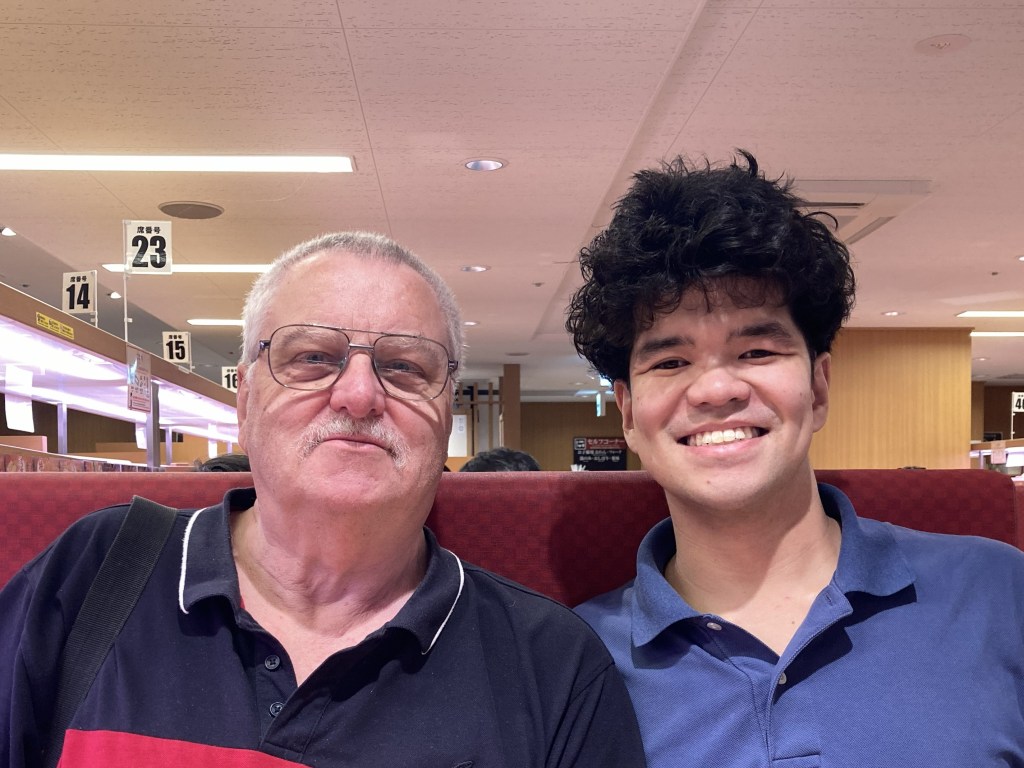
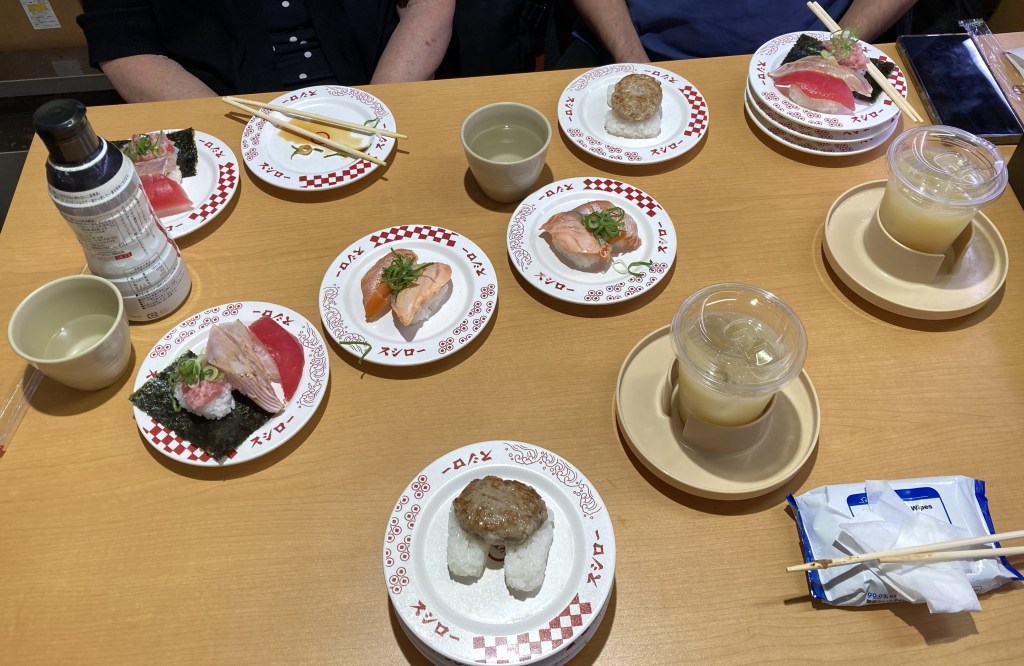
On another note, we also had the pleasure of enjoying lunch with Alex, who kindly made time to join us despite his demanding study schedule. We dined at Sushira, an excellent seafood, sushi, and tempura restaurant located in the Parco department store. Having visited the establishment earlier during our trip, it was especially enjoyable to return and share the experience together.
Wednesday 17 June 2026
Every now and then, the best travel itinerary is the one you don’t write down, and today was all about slowing down and letting the hours unfold naturally. We spent a good chunk of the day just lost in our books, punctuated only by stepping out to wander through a patchwork of local shops with no rush or checklist, drifting wherever our curiosity took us.
When dinner rolled around, we didn’t have to think twice and headed straight back to one of our favourite spots, Opella, which happens to be located literally just across the walkway from our hotel. Tucked away in Tanukikoji 7-chome, it sits right in the heart of a section of the arcade famous for its nostalgic, retro vibe and intimate, independent eateries. Opella fits into this charm perfectly; it’s a wonderfully small restaurant run by an incredibly talented Japanese chef. What makes it so special is its eclectic menu, instead of limiting itself to one style, it serves up excellent, expertly crafted dishes inspired by various international cuisines, feeling like a cosy European bistro met a warm Japanese neighbourhood joint.
With full bellies and that perfect, content post dinner feeling, we decided to call it an early night. Tomorrow is going to be a big day as we head off to the historic canal town of Otaru for a day trip, so it’s time to get some rest before the next adventure begins.
Thursday 18 June 2026
In summer, when the air softens and the sea breeze carries a gentler edge, Otaru reveals itself not as a place you simply visit, but as one you drift into, like a memory that takes its time returning. We arrived in June, when the last traces of winter had long melted away, and the city felt open, quietly luminous, and touched by a slower rhythm that suited it perfectly.
Set on the western coast of Hokkaido, a short train ride from Sapporo, Otaru has always lived in the space between movement and stillness. Today it feels nostalgic, almost delicate, but its past is anything but. In the late nineteenth and early twentieth centuries, Otaru was one of Japan’s most important port cities, a vital gateway for trade with Russia and the rest of the world. Ships crowded its harbor, warehouses filled with goods lined the waterfront, and the wealth that flowed through its streets shaped the distinctive architecture you still see today, solid stone buildings, ornate facades, and Western influenced designs that feel slightly out of place against Hokkaido’s wild northern landscape.
That history lingers most vividly along the Otaru Canal. It is here, perhaps, that the city finds its most iconic expression. Originally constructed in the 1920s to allow large vessels to unload onto smaller barges, the canal was once a busy artery of commerce. In June, when we walked along it, the water reflected a soft blue sky and the surrounding greenery, and the old warehouses stood quietly, no longer burdened with cargo but still carrying the weight of time. Restored and repurposed, they now hold cafés, museums, and small shops. Gas lamps, more atmospheric than necessary in the long summer light, line the canal, hinting at the romantic glow they must cast in winter evenings.
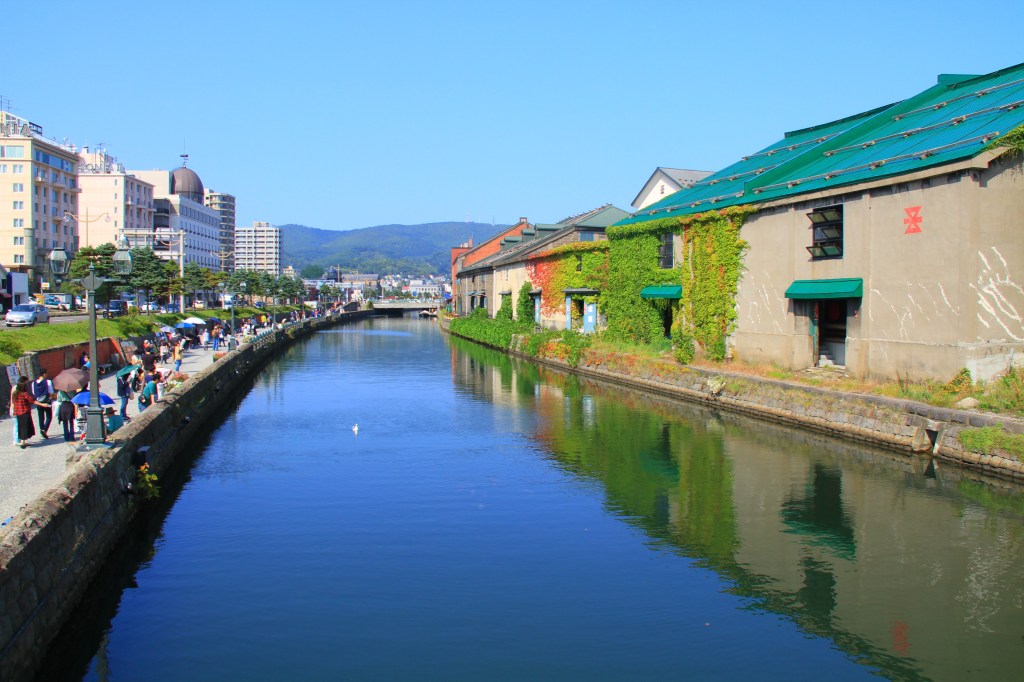
Walking there, in the long daylight of early summer, you could almost hear the past layered over the present, the imagined creak of ships, the murmur of dockworkers, the steady rhythm of a port in motion. Yet what makes Otaru compelling is not just that it remembers its history, but that it has learned to hold it lightly.
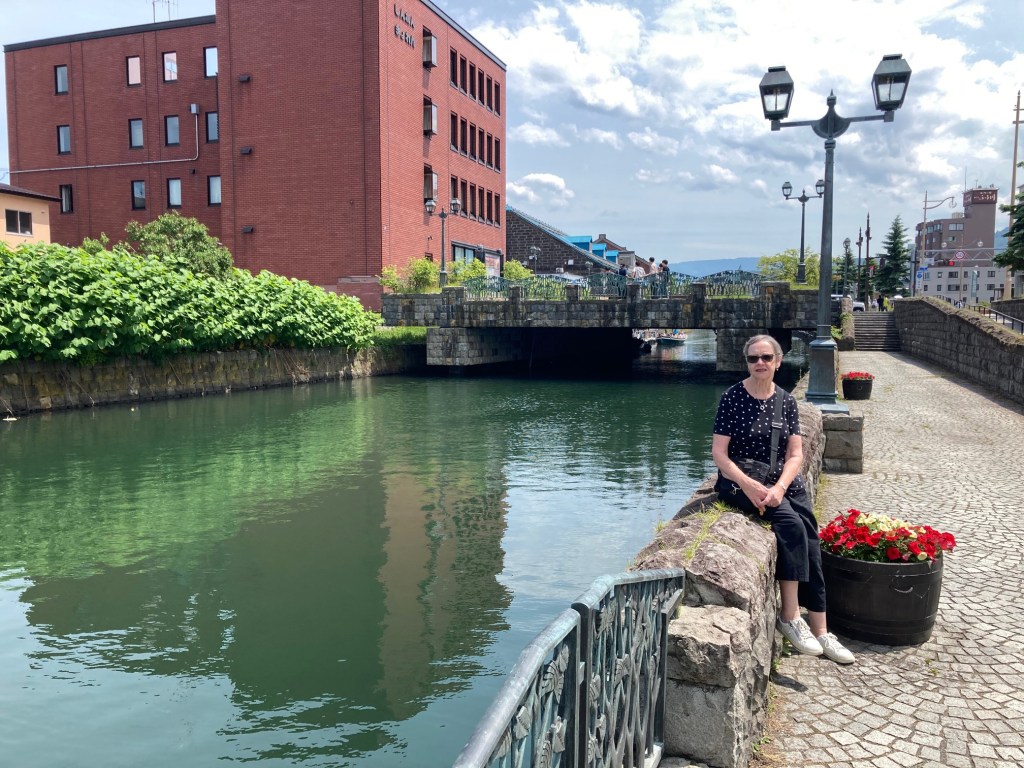
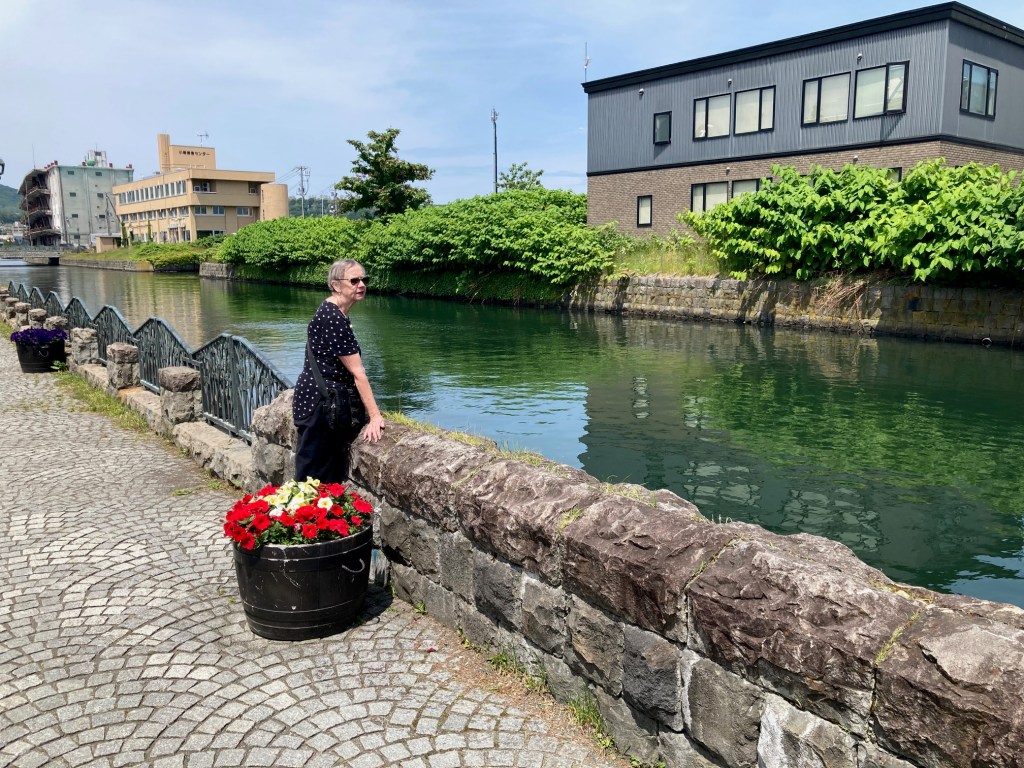
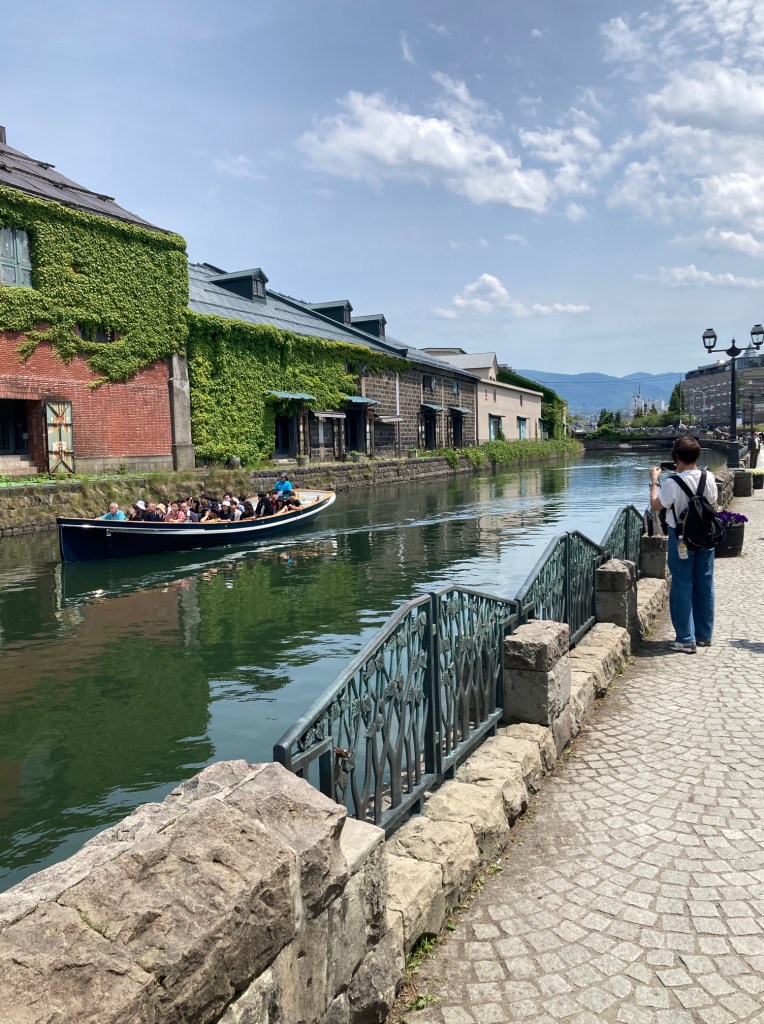
Beyond the canal, the city unfolds in quiet surprises. Otaru is known throughout Japan for its glass craftsmanship, a tradition that took root during its industrial years when glass was needed for lamps and fishing equipment. Today, that utilitarian origin has given way to artistry. Small shops and studios display delicate hand-blown pieces, translucent bowls, shimmering ornaments, tiny figurines that catch the summer light in ways that feel almost magical. The brightness of June animated them, each piece sparkling as though it held a fragment of the season.
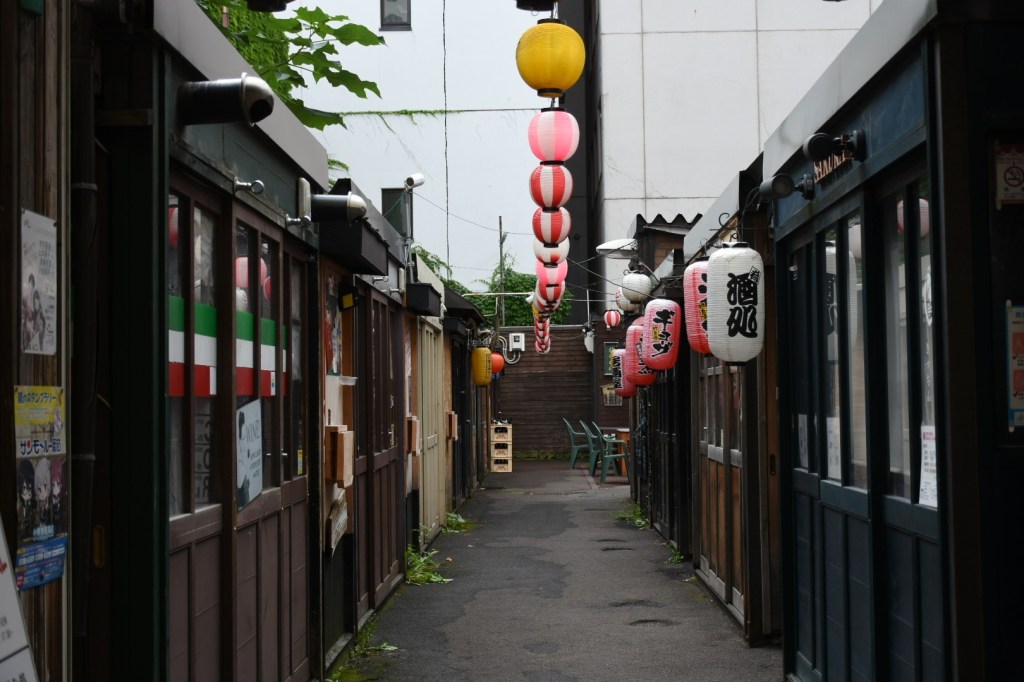
Music, too, has found a home here. The Otaru Music Box Museum is less a museum in the formal sense and more a place of gentle wonder. Inside, thousands of music boxes line the shelves, some ornate and elaborate, others small enough to fit in the palm of your hand. When they play, their melodies overlap and drift through the space, creating a soft, layered soundscape that feels almost dreamlike. Stepping out afterward into the quiet, sunlit streets wanted to emerge from another time.
Food, of course, is another way the city speaks. Being a port, Otaru has long had access to some of the freshest seafood in Japan, but we found ourselves drawn to something a little different when we stopped for lunch at LeTAO. Known across Hokkaido for its delicately crafted desserts, especially its signature double fromage cheesecake, LeTAO has become something of a local icon. The café itself felt airy and relaxed, a perfect pause in the middle of a day of wandering.
We lingered there over a lovely main of Doria, a chef specialty, an indulgent, oven-baked Japanese comfort dish of buttered rice layered with a rich béchamel sauce, gently folded with cheese, and baked until golden and bubbling on top. Our version leaned into Otaru’s seaside heritage: a seafood Doria studded with scallops, prawns, and tender pieces of fish, with asparagus and spinach mixed through, adding freshness and contrast to the creamy richness. It was deeply satisfying, the kind of dish that feels both nostalgic and quietly luxurious.

Afterwards, we gave in to dessert: a soft, creamy layered cake covered in cream with a strawberry coulis and a vanilla sorbet on the side that somehow managed to be rich yet impossibly light, paired with a quiet sense of indulgence that felt entirely in keeping with Otaru’s understated charm. It was a small but memorable moment, one of those experiences that settles gently into your memory alongside the place itself.
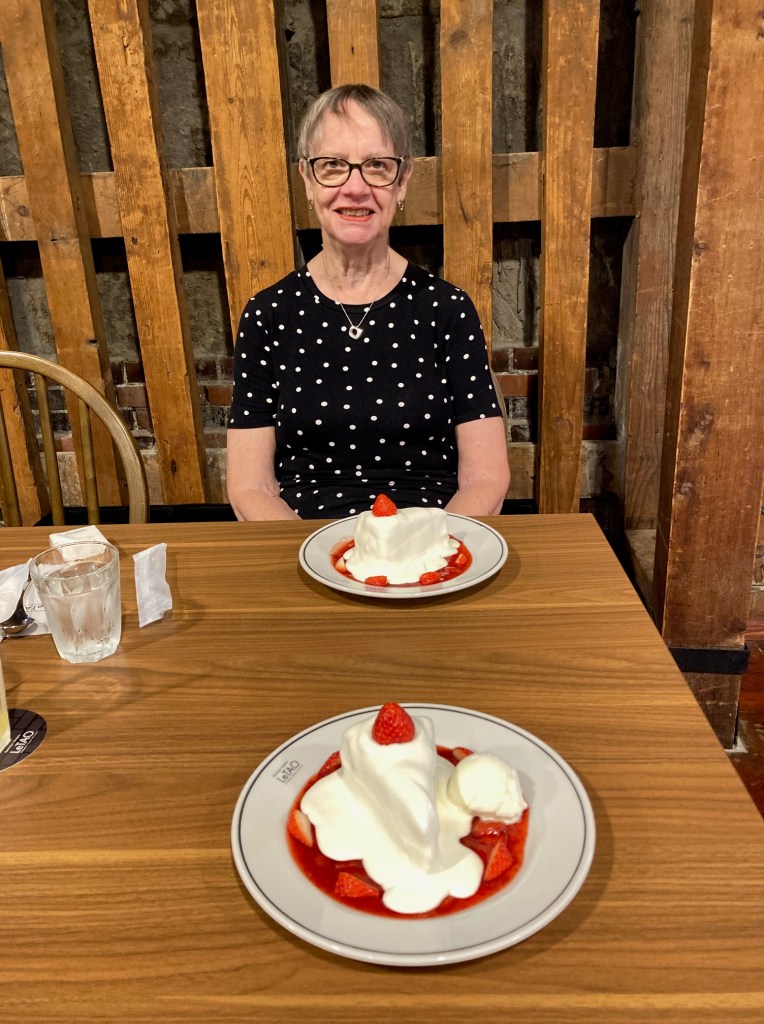
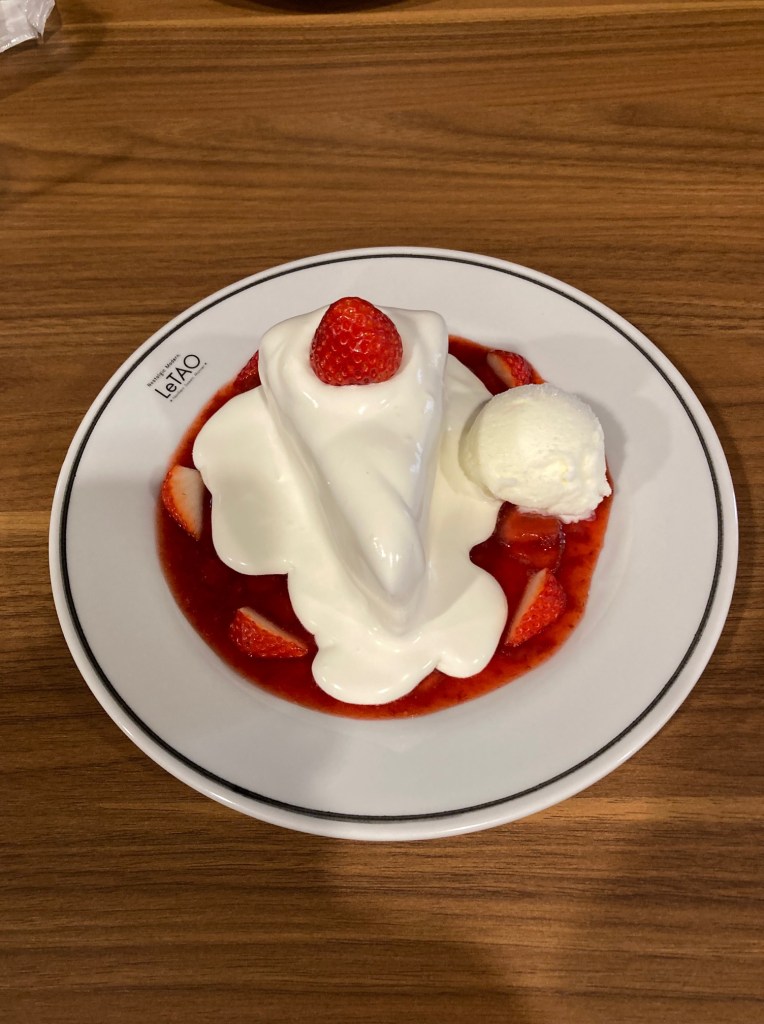
Yet the most distinctive quality of Otaru is its atmosphere. Unlike many destinations that announce themselves loudly, Otaru reveals itself slowly. Its charm lies not in grand landmarks but in the accumulation of small moments: the warmth of the sun on the canal stones, the quiet hum of conversation drifting from café terraces, the distant outline of mountains softened in summer haze, the faint echo of a melody slipping out from an open shop door.
Maree and I know as well, how different it feels in winter, having visited Otaru previously last December, during the Snow Light Path Festival, when lanterns glow against the snow and the city becomes something almost otherworldly. But visiting in June offered a different kind of beauty: one rooted not in contrast but in calm continuity.
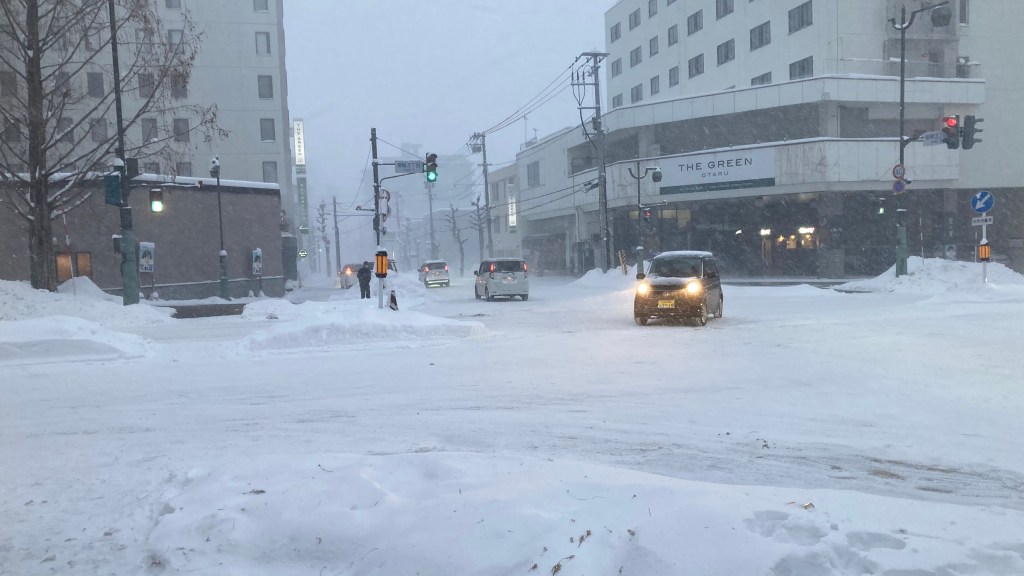
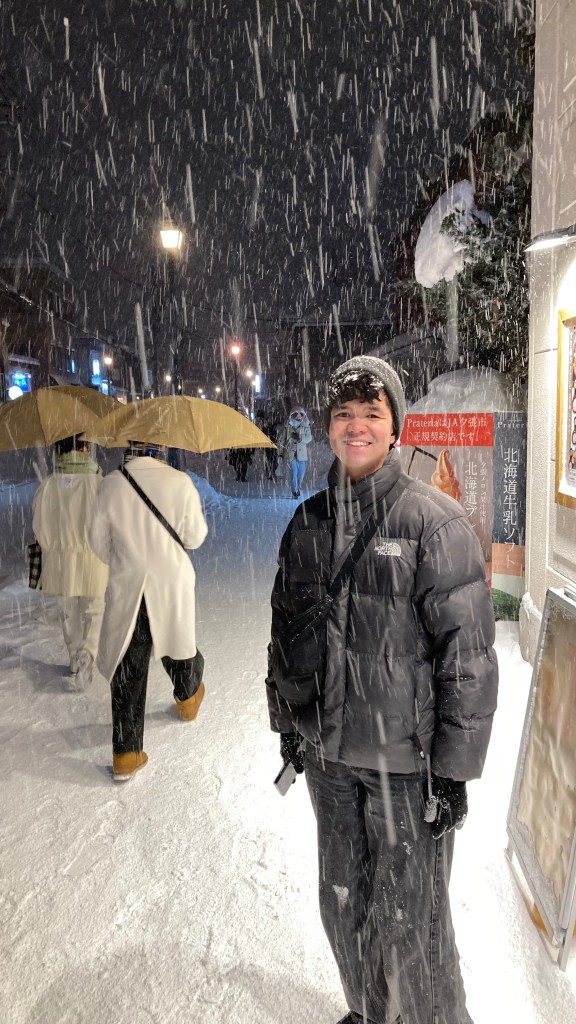
And that is what Otaru offers. Not urgency, not spectacle, but a kind of quiet attentiveness. It is a place shaped by tides, of commerce, of seasons, of memory, and whether wrapped in snow or warmed by early summer light, it reminds you that beauty does not always need to declare itself. Sometimes, it simply waits to be found.
Friday 19 June 2026 and Saturday 20 June 2026
We dedicated these last two days to the fine art of doing absolutely nothing or at least, nothing that required a strict itinerary. It was the perfect, low-key prelude to the journey back to Tokyo on Sunday, giving us a chance to recharge our batteries, pack at a leisurely pace, and simply savor the remaining moments of our trip.
The absolute highlight of our winding down period came on Saturday afternoon when we met up with our son, Alex. We headed out for a final dinner together at one of our absolute favourite sushi spots, and it didn’t disappoint. The three of us shared an incredible meal, endless laughs, and some truly great quality time before we start our return journey. The bittersweet goodbye was made a whole lot easier knowing it won’t be a long separation; Alex is heading back to Canberra in August for the school holiday break, so we’re already looking forward to our next big catch-up just around the corner. Alex will then return to Sapporo to continue his studies.
Sunday 21 June 2026
Today we bid farewell to Sapporo and began our journey back to Tokyo, marking the end of a wonderful chapter. Before checking out of the Lamp Light Books Hotel, we made sure to present the desk staff with omiyage. This is a traditional Japanese custom of giving beautifully packaged regional gifts or treats to express gratitude. Having called the hotel home for eighteen days, during which we were looked after so wonderfully, it felt like the perfect way to say a proper thank you.
From there, we opted for a taxi to the airport rather than the train; navigating platforms and hopping between cars with heavy luggage can quickly become a chore, and the cab made for a seamless transition. We timed our arrival perfectly, leaving ourselves a comfortable two-hour window before departure. Once our bags were checked, we hunted down a spot for breakfast, and with full tummies, we headed to the departure lounge. It was a relaxed wait, giving us both a chance to lose ourselves in our books until our boarding call echoed through the terminal.
The flight to Tokyo was a breeze, clocking in at a swift 70 minutes. Aside from about five minutes of minor, brief bumps, the air was remarkably smooth. Upon touching down, we gathered our bags and bought train tickets for the short hop over to Terminal 3, where our hotel was conveniently located right around the corner on level three. It is the absolute perfect staging ground for tomorrow, especially with our Qantas flight departing at a bright and early 06:55.
To cap off the evening, we are heading out to one of the many landside Japanese restaurants in Terminal 3 for dinner. Having eaten there on a previous trip, we already know the food is excellent and are looking forward to a great meal. It will be the perfect prelude to tomorrow’s ten hour journey down to Sydney, a trek made infinitely more enjoyable by the fact that we’ll be turning left into Business Class as usual.
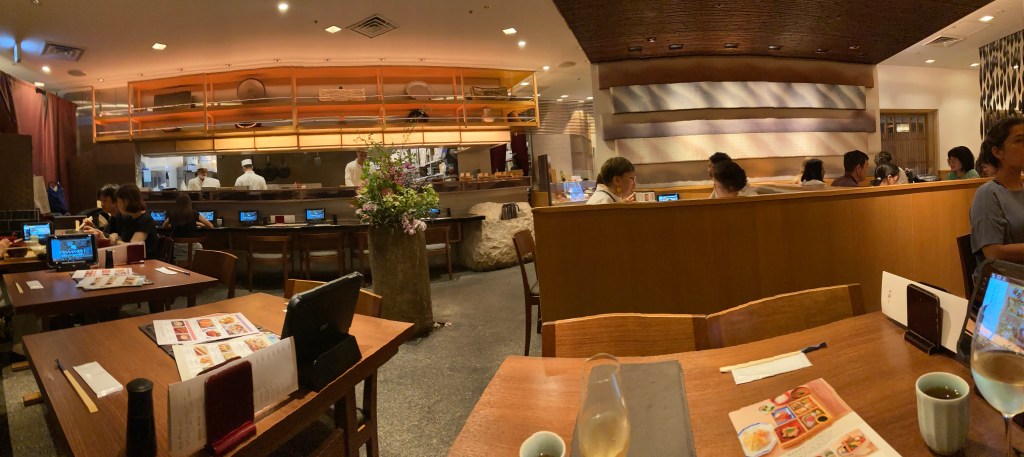
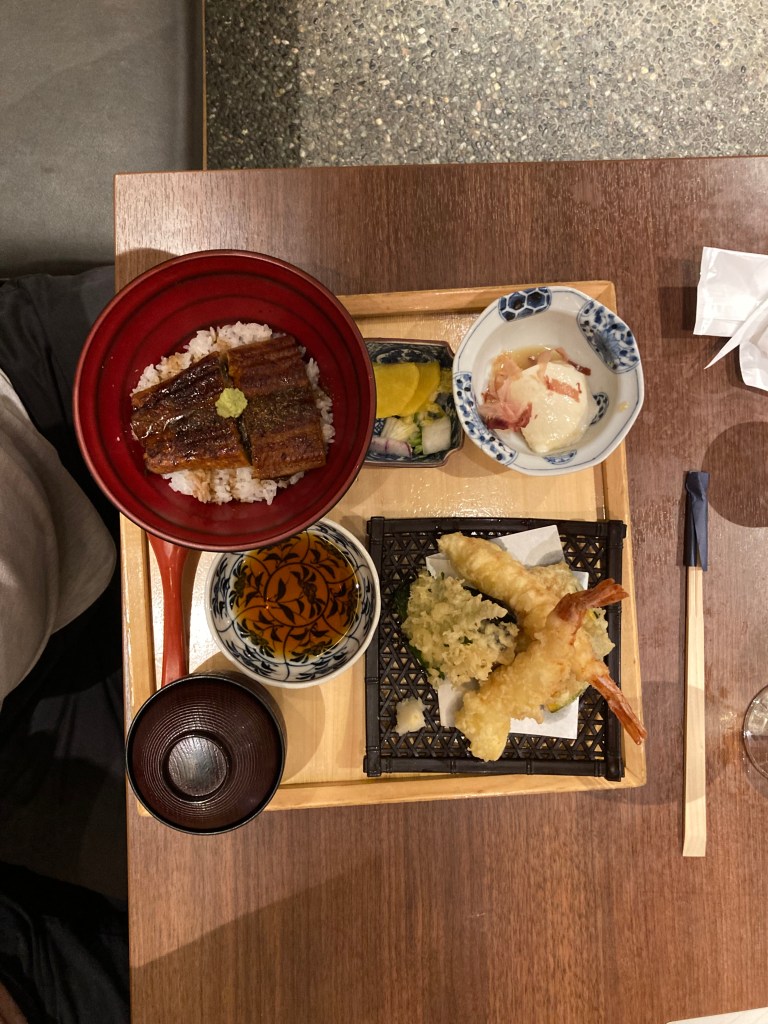
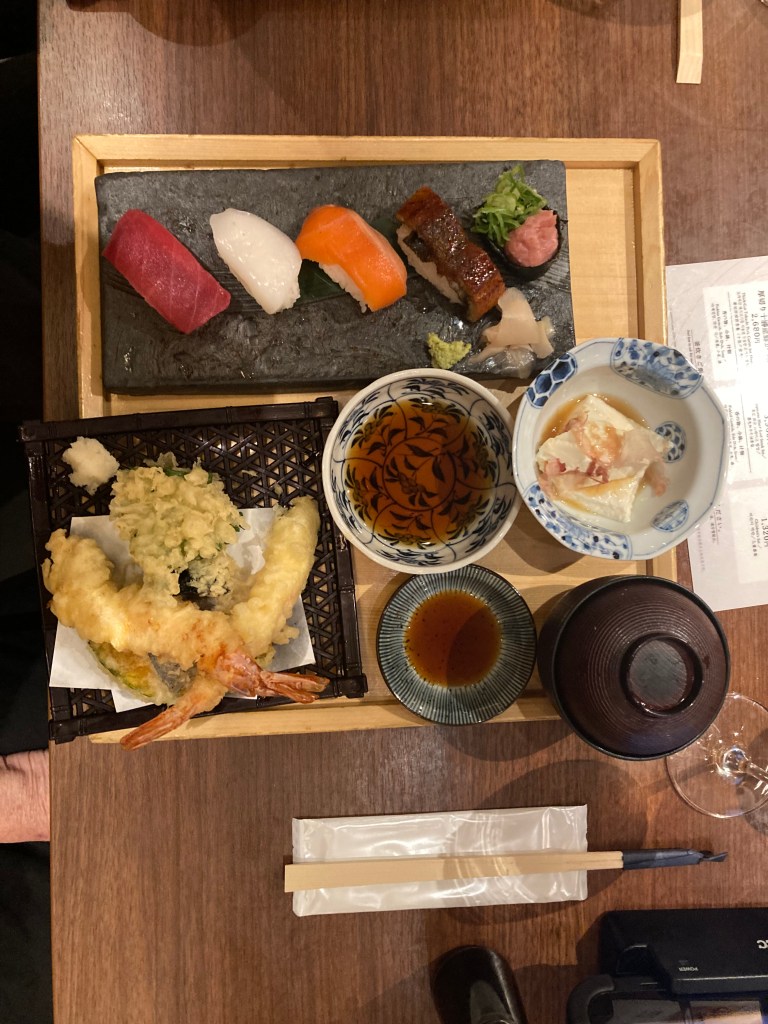
Monday 22 June 2026
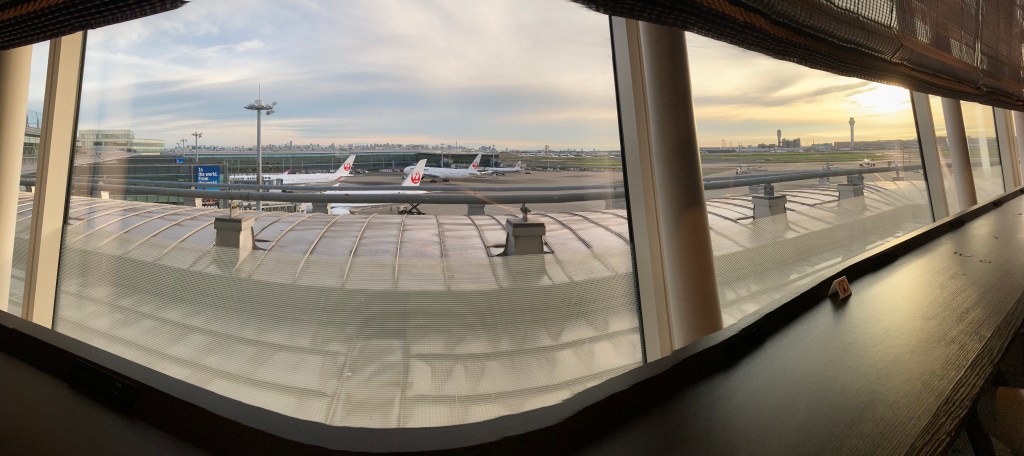
The final day of a great trip always brings a strange mix of emotions, and today is no exception as we gear up for the long journey home. We are heading to Haneda to catch our daylight flight, QF26, taking us straight from the neon-lit energy of Tokyo back across the equator to Sydney. There is something uniquely comforting about stepping onto a Qantas bird after weeks of navigating a foreign language; the immediate chorus of “G’day” and the familiar cabin layout instantly signal that the transition back to reality has officially begun. It’s a long daytime haul, perfect for nursing a glass of Australian wine, clearing out the camera roll, and watching the hours tick away over the Pacific.
Landing in Sydney tonight won’t mean an immediate rush back to normal life just yet, thankfully. We’re stretching out the final chapter of this adventure with a soft landing at the Rydges Sydney Airport Hotel. Stepping off the plane, clearing customs, and walking straight to a warm bed without having to face a late night highway drive is the ultimate travel luxury.
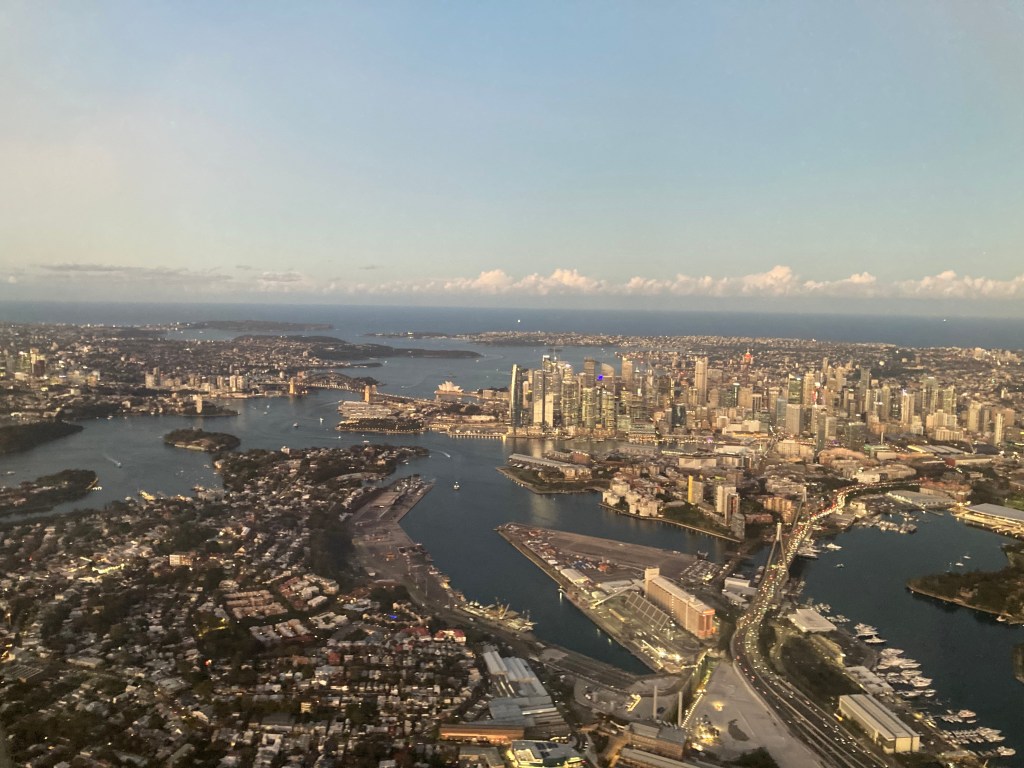
Tomorrow morning, we’ll ease our way onto the Murray’s coach for the familiar, scenic cruise down the Federal Highway back to Canberra. As the bushland rolls past the window and the capital’s cool winter air greets us, the normal routine will officially take back the reins, but we return with our minds full of memories to carry us through until the next departure.
Maree and I hope you have enjoyed reading about our adventure and hope you join us next time when we travel.


Leave a Reply